Conscious connoisseurs with a sense of responsibility
In the market of royalty-free images, things are not only about trends, but also about current events. This includes, above all, the events that significantly influence our present and future. The resulting consequences are not always pretty. Even in times of grievances and crises, a consistent, clear and promising visual language is important in many places. With the upcoming federal elections and the flood disaster firmly in mind, we are once again turning our gaze to a grouping that is particularly in demand in these times for its pioneering role, the LOHAS.

LOHAS stands for “Lifestyles of Health and Sustainability,” which could be understood as “healthy and sustainable lifestyles.” The sharpened environmental awareness, which manifests in all aspects of the green movement, has long since discarded its former Birkenstock and hippie image and has entered middle-class society. The tree-hugger and muesli man is passé and has moved over for the conscious connoisseur, for whom consumption and joie de vivre on the one hand and environmental sustainability and ecological responsibility on the other don’t contradict each other.

Find the best Lohas 2.0 Images on our Pinboard!
LOHAS do not only want to take responsibility for creation but—as a prerequisite—they first and foremost take responsibility for themselves. Their lifestyle is closely related to the mindfulness megatrend, the pursuit of a conscious living in the here and now, an inner sense of balance and the resulting serenity. To put it in a nutshell, one could describe his or her life plan as “consciously enjoying instead of thoughtlessly consuming.”
“Green” shopping decisions are also a status symbol
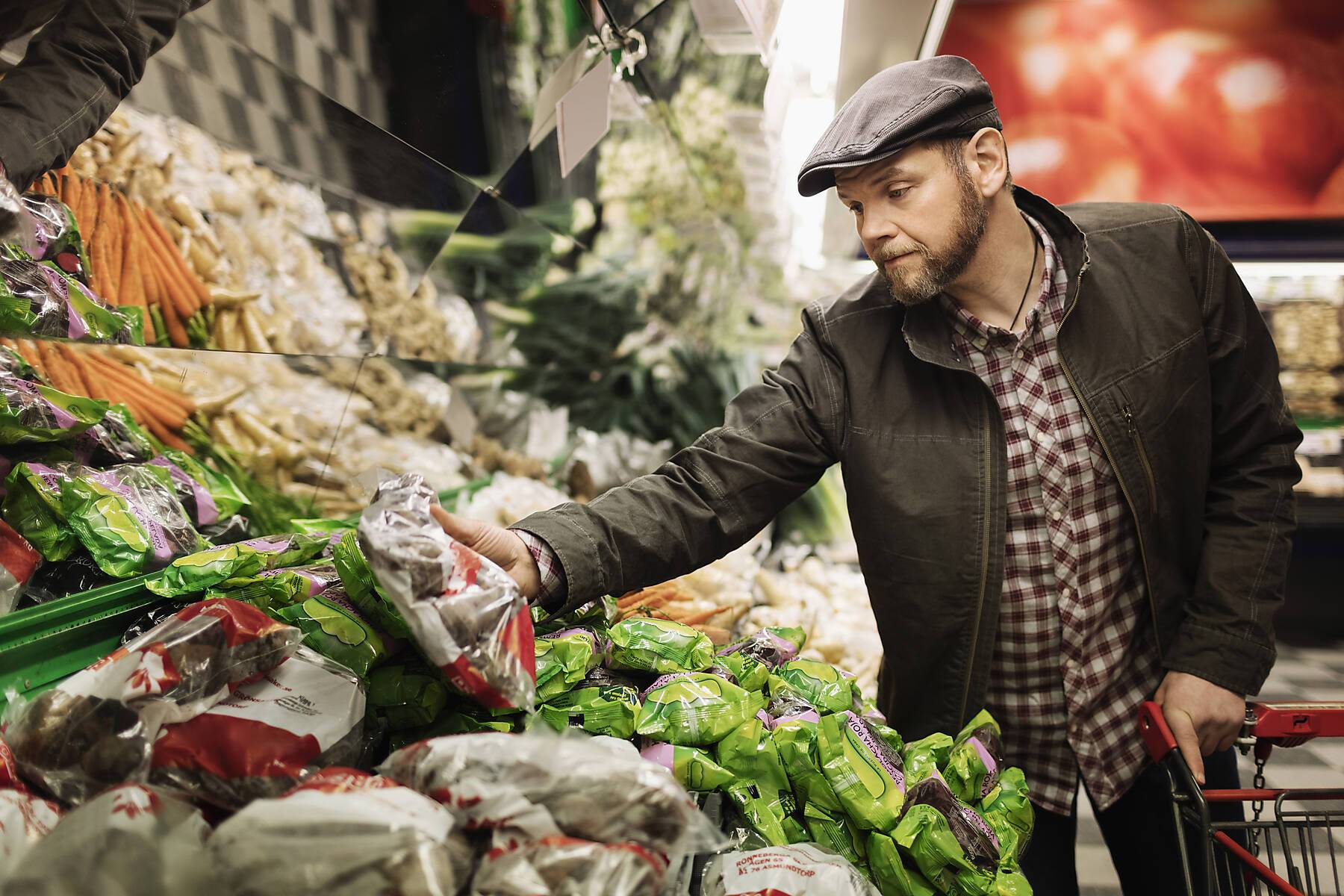
LOHAS make conscious purchasing decisions from an ethical point of view. Fair trade and the preference for regional products are good examples of this change in consumer behavior. The decision to buy mostly more expensive organic products not only contributes (actually or supposedly) to the reduction of environmental pollution but, in addition to the organic cucumber, it packs a little clear conscience into the shopping bag. In addition, “green” buying decisions are also a status boost: with the increased expenditure on organic food, LOHAS are signaling that they want and can afford this.
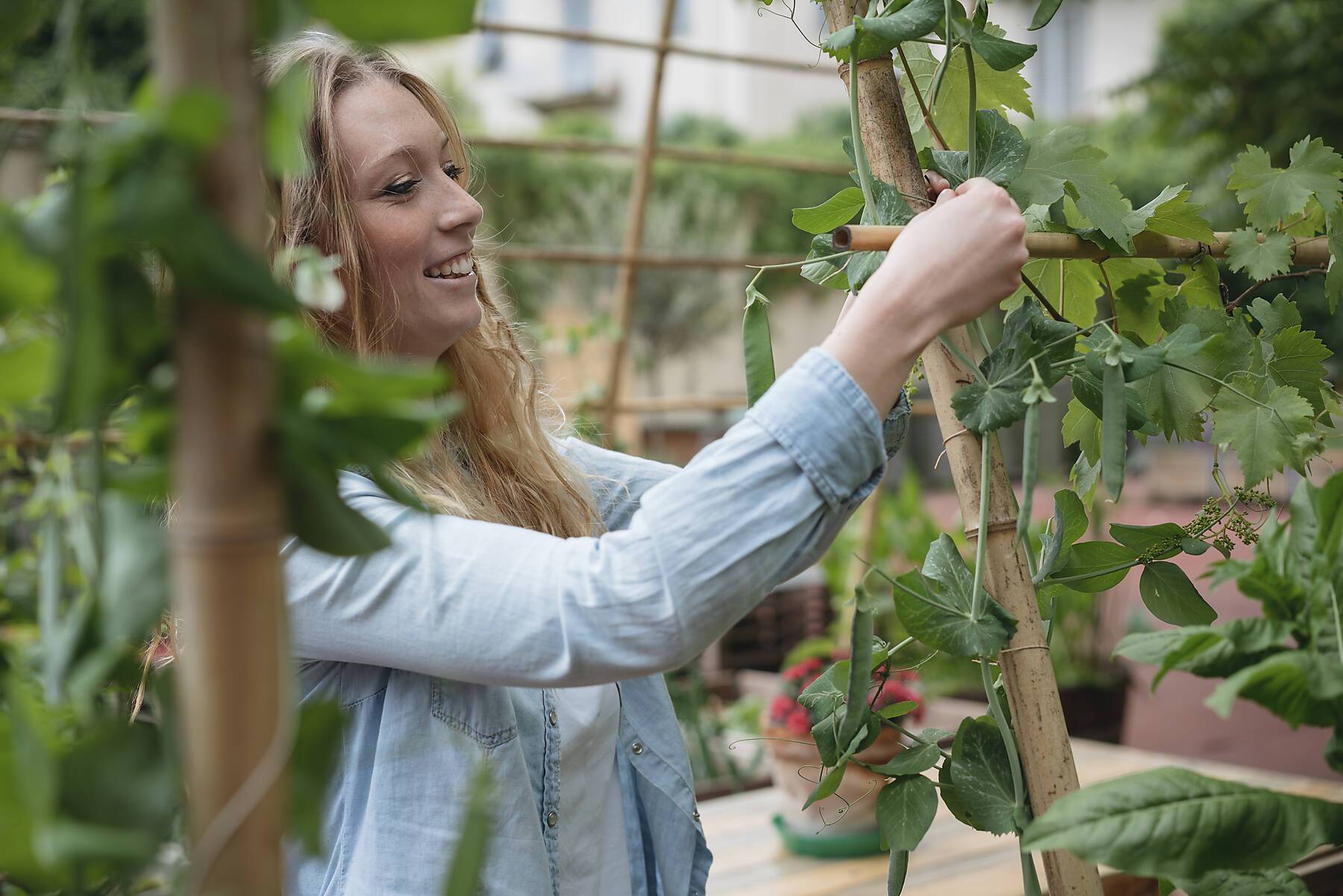
LOHAS—in contrast to the “Multi-performer”—do not want to be the center of their own universe, but rather to feel connected to the world and the people around it. This results in an awareness of responsibility toward the greater whole, extending beyond one’s own life and its limitedness: family, colleagues, society, humanity. For LOHAS, living sustainably does not only involve treating the planet with care, but also looking after oneself and one’s own energy: Take a break and recharge your batteries instead of pedaling round a hamster wheel until burning out; take a break instead of working overtime; and once again be offline without feeling guilty, as if you’re missing out on something.
An important feature of LOHAS is its search for a meaningful, professional activity that offers not only good income and status but, above all, a sense of authenticity and harmony with one’s own values. They want to choose sensibly and consciously and not experience and exhaust everything that would be possible in breathless haste. They want to live in a way that leaves something for future generations.

Ecology and economy are no longer mutually exclusive
This attitude toward life may presuppose a certain maturity and life experience—and also the awareness of one’s own finality—and, therefore, many of its adherents are already middle-aged or older. But also among young people, who don’t want to follow the mantra of growth, “faster, higher, further,” like their parents and grandparents, the concept of LOHAS finds more and more followers. A happy and fulfilled life is more important to them than a big car and a fat bank account. But for them—and this is the difference from the hippie era—ecology and economy are not incompatible opposites.

After all, many of the young LOHAS, despite all their sustainability thinking, have a pronounced affinity for technology and believe in progress. For example, they are working on new technological approaches to increase efficiency while simultaneously conserving resources and reducing emissions. The trend toward sustainability driven by LOHAS also has a high impact beyond the private sphere: It affects and influences areas such as business ethics and general public services like energy supply.