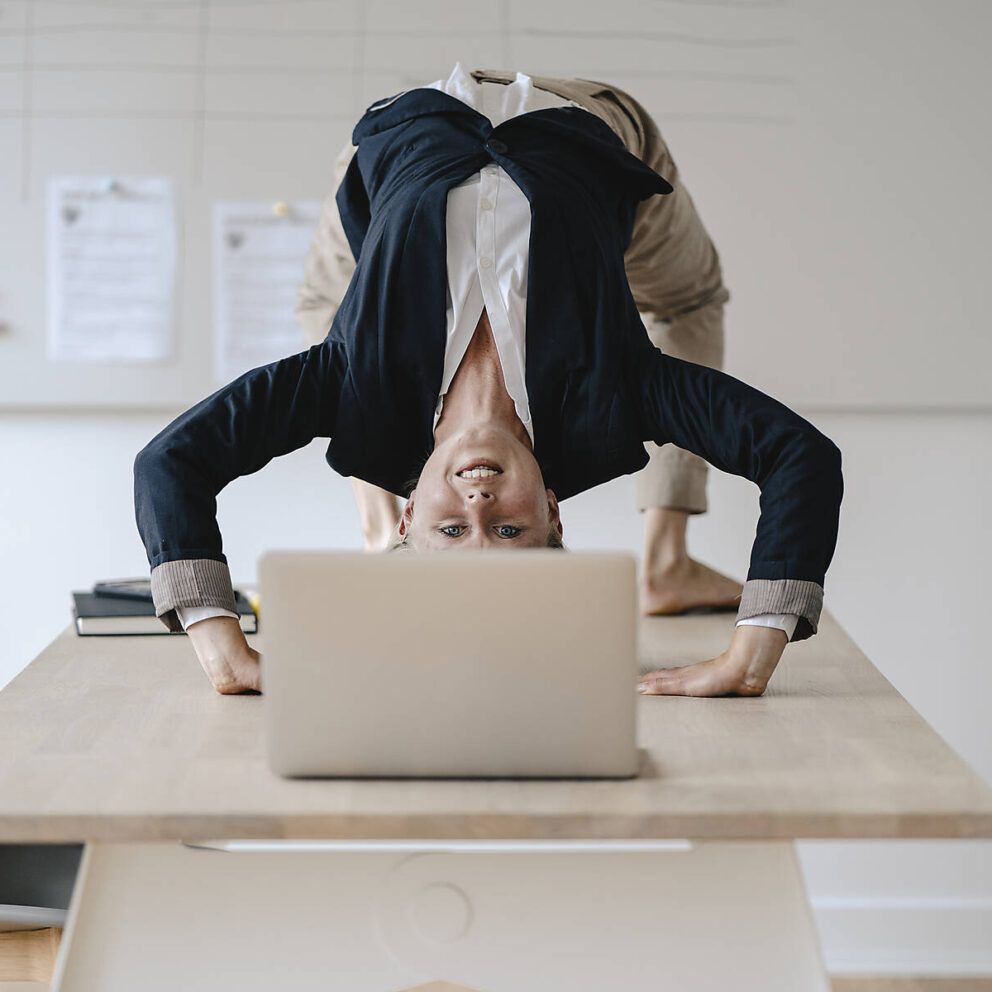
Escapism: Is it okay to simply escape reality
Simply closing the door behind you and saying goodbye to everyday life with all its worries is a wish that is probably as old as mankind. So let’s talk today about a phenomenon called escapism. This term describes the escape from reality, from the real world and its demands, into an imaginary, illusory existence in which everything feels easier and better. This is a bit frowned upon in a modern performance-oriented society in which one must always function and excel and in which “idleness is the mother of all vices.” But is that true across the board?
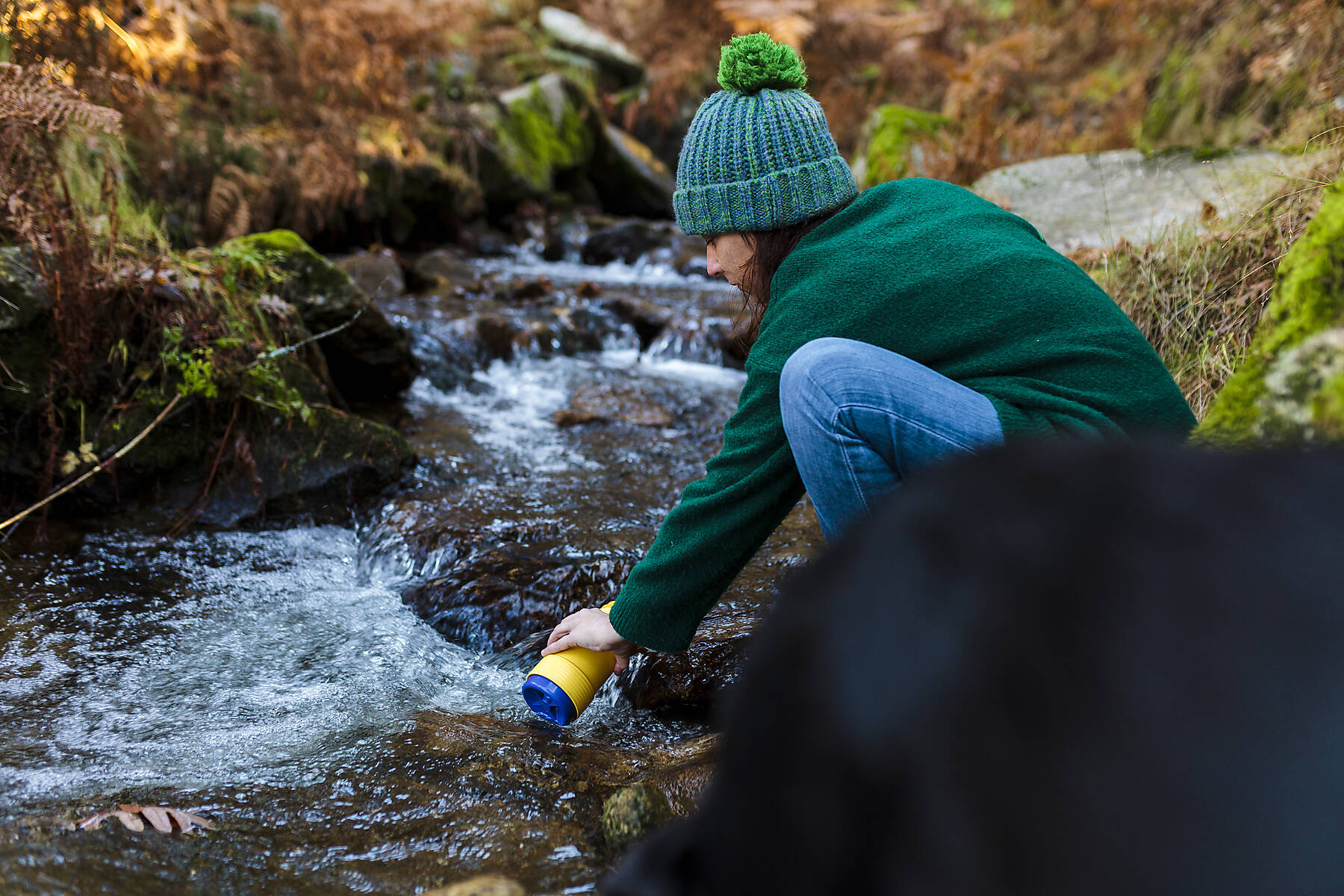
The decisive factors are dose, duration, motive, and method
Thanks to both the Internet and the entertainment industry, today we have more opportunities to immerse ourselves in illusory worlds than ever before. This makes escapism a highly topical issue. And in times of personal or social crisis, the desire to escape a reality that is perceived as unpleasant naturally intensifies. Is this reprehensible, perhaps even harmful, or is it sometimes okay? It probably depends on why, for how long, and, above all, how we do it.

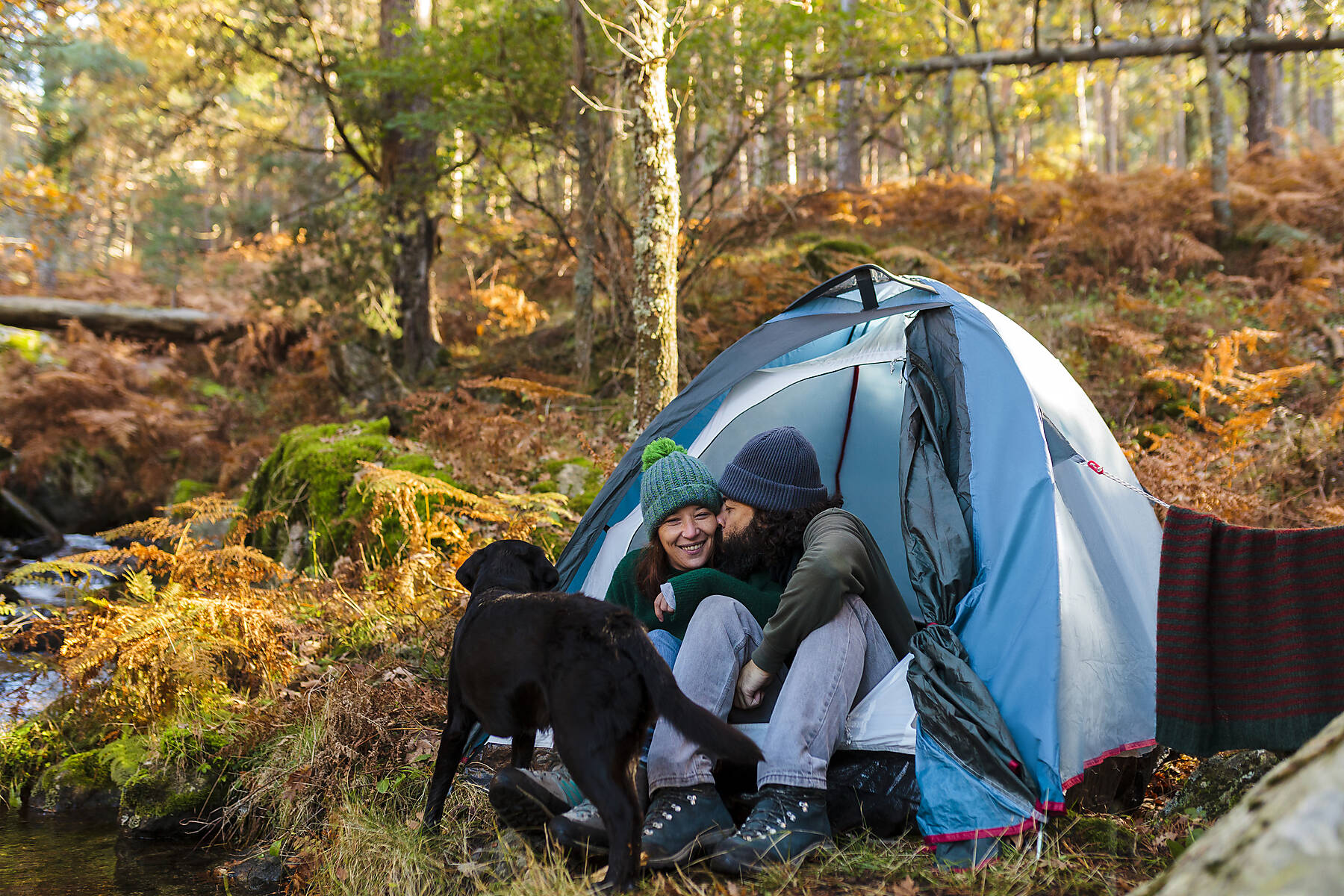
Pack light, travel far! Here you find the best escapism images.
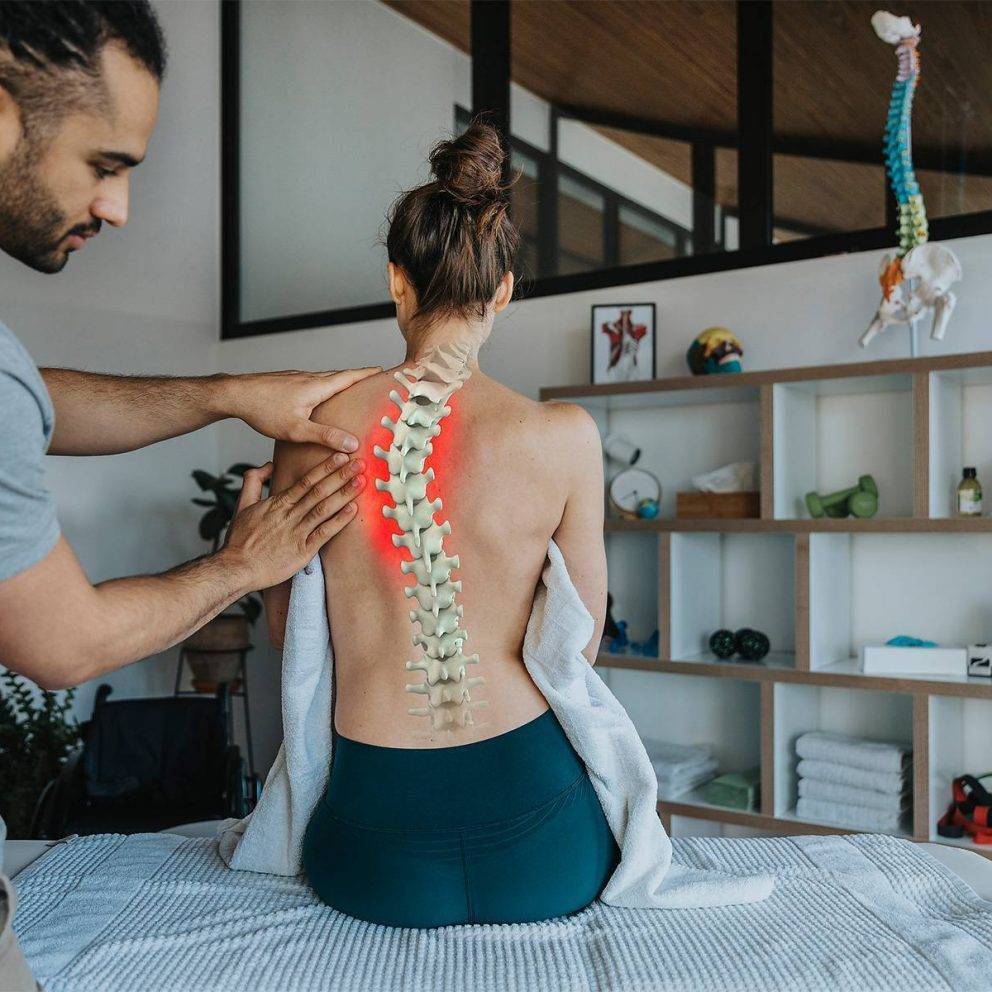
Let’s start with the heavy stuff: Excessive alcohol or drug consumption can also be a form of escapism, which, in the end, does more harm than good by ruining your health. The same applies to online gambling, excessive social media consumption, marathon series in front of the TV, shopping sprees, gluttony, sex addiction, or even workaholism.
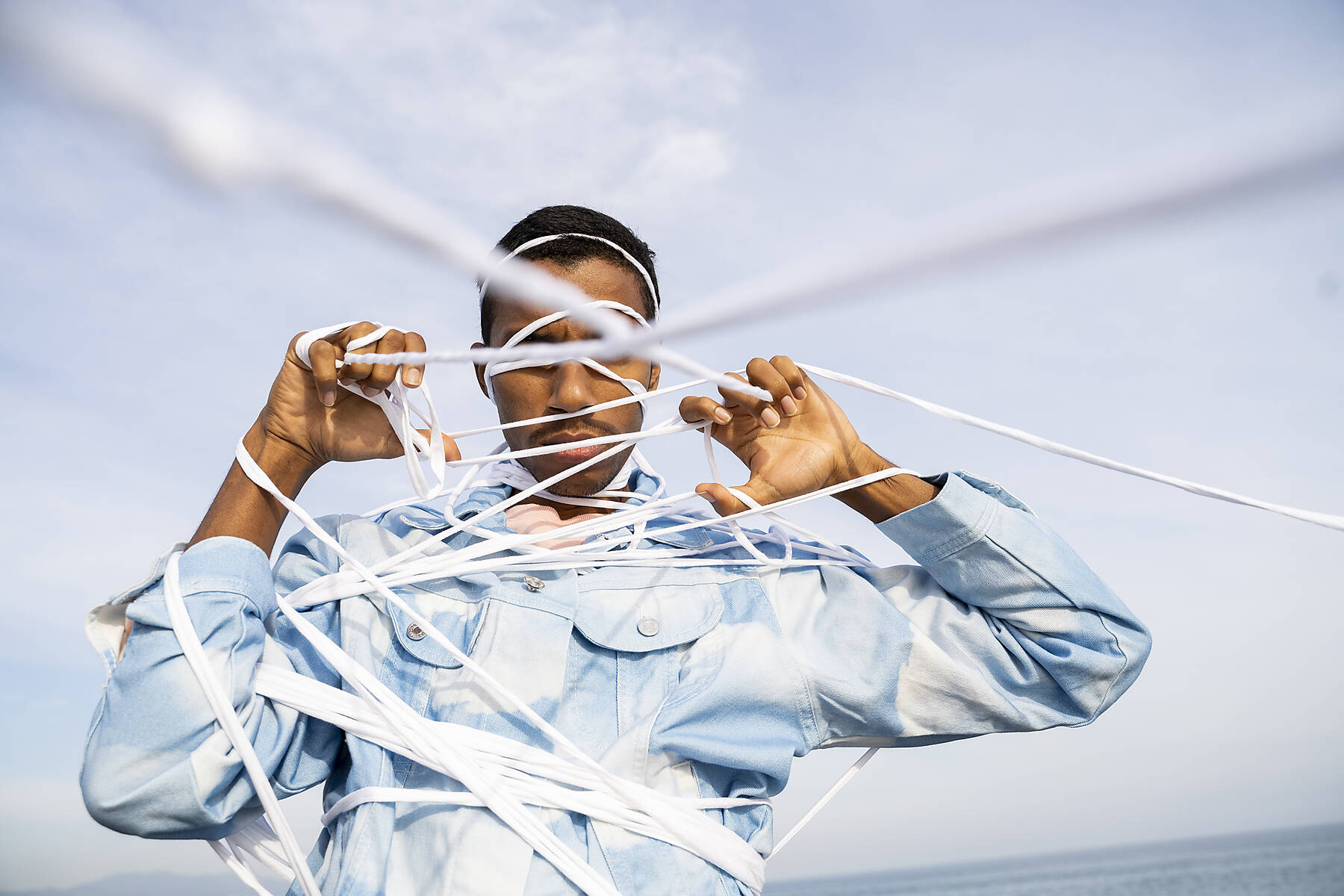
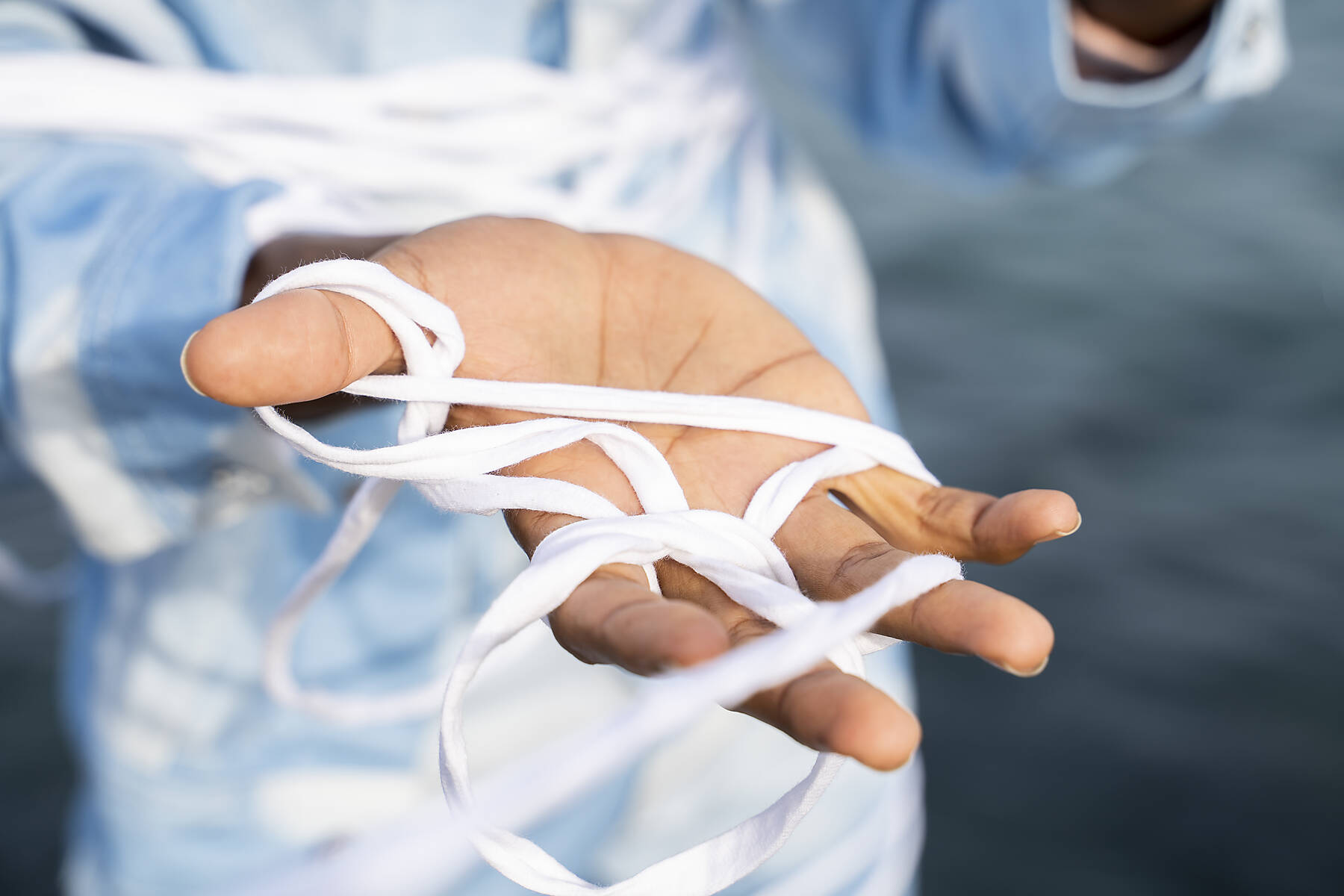
Small escapes fromeveryday life are vital
If you have a fundamental problem with yourself, with the world, or both, you will have to face it at some point if you want to overcome it. If you always avoid the construction sites in your own life, they will only get bigger, and, at some point, nothing works anymore. Passive sprinkling or numbing of any kind only has a short-term relieving effect, but does not help to get things under control again in the long run. Perhaps one just adds an addiction or financial problem on top of it…


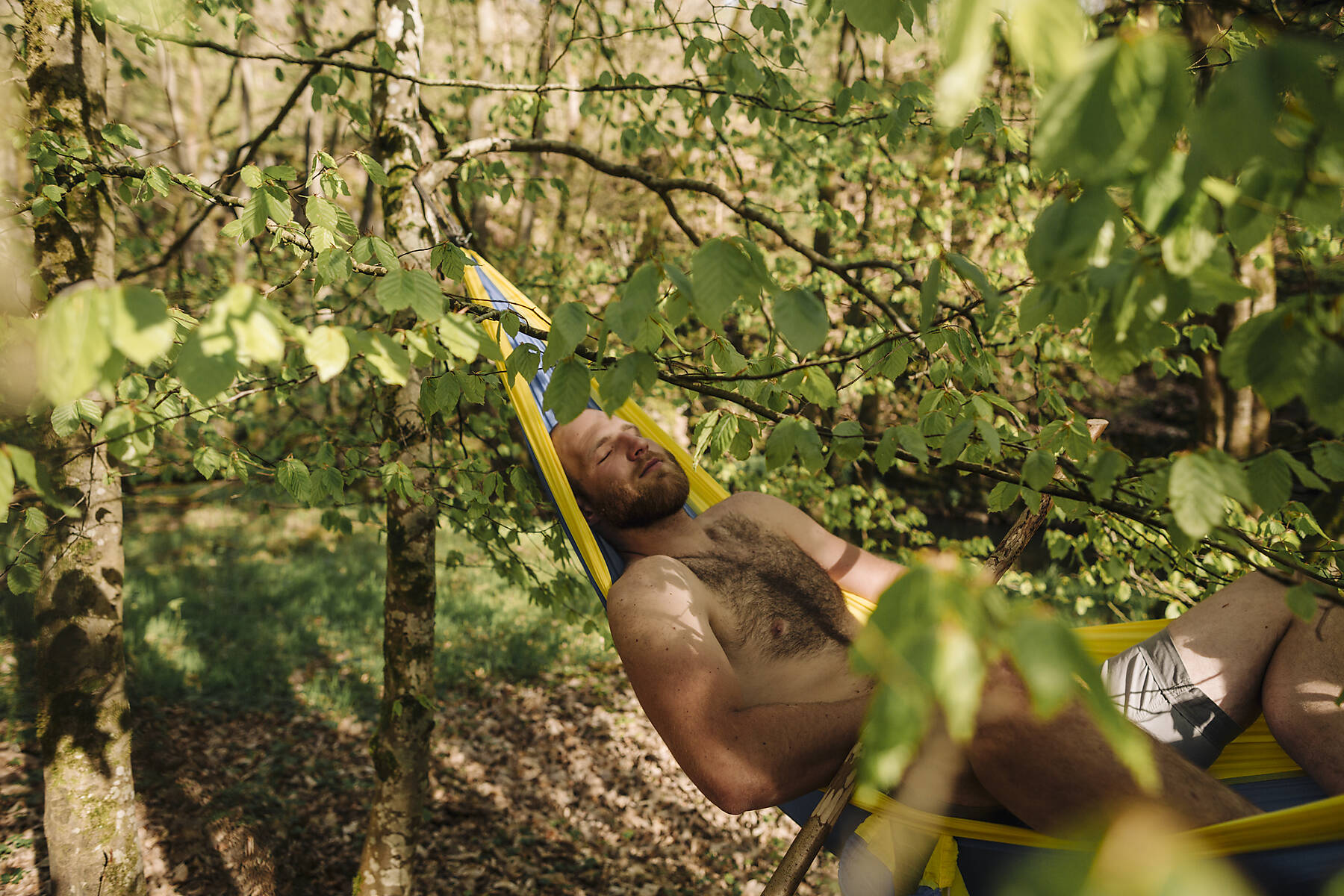
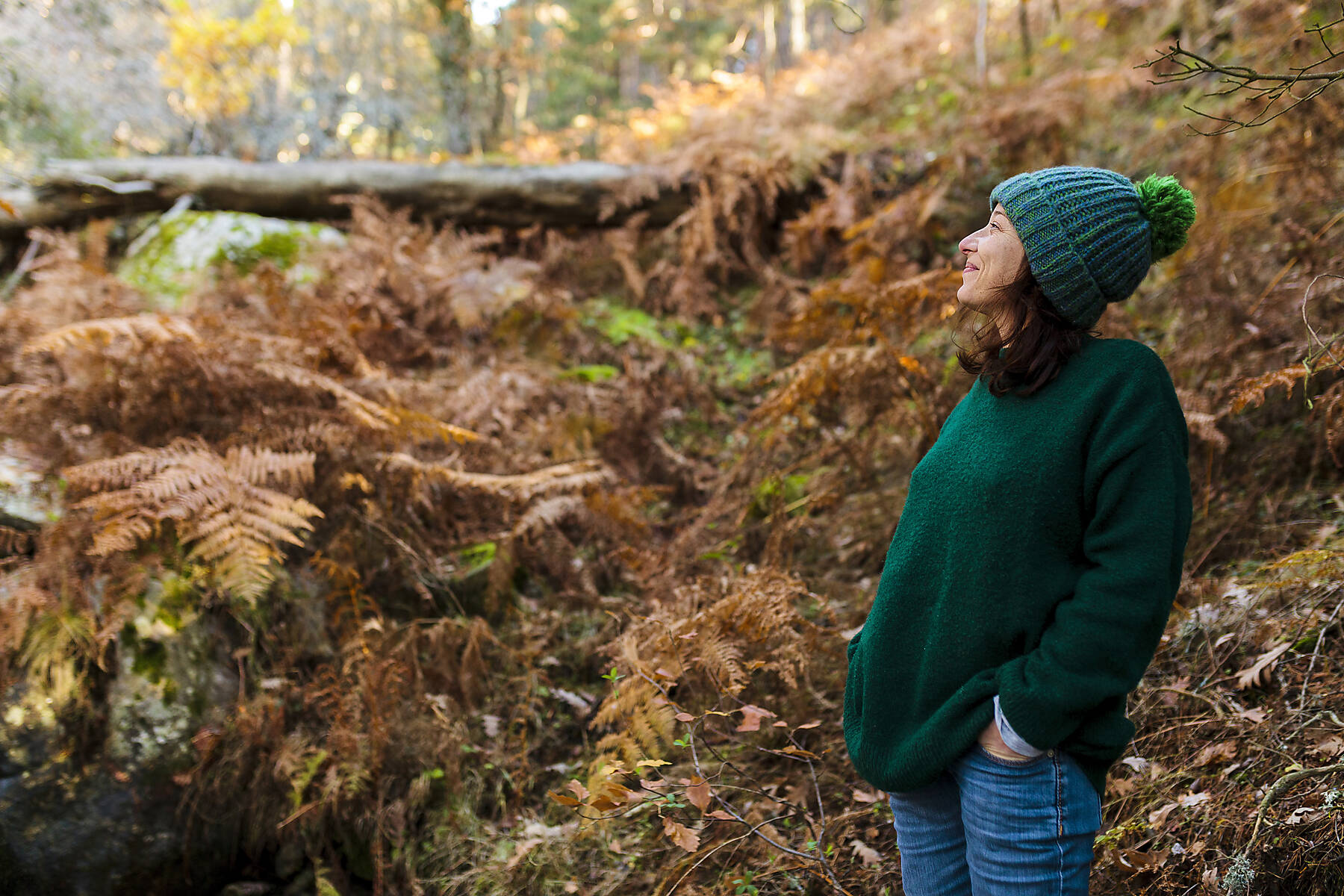
So much for the downside. Now the good news: Enjoyed in reasonable doses—and, above all, consciously managed—escapism is also something healthy and even vital. We all need little escapes from the hustle and bustle of everyday life to get back to ourselves and recharge our batteries. Sometimes all it takes is a refreshing walk to dissolve muddled thoughts and regulate stress levels. Yoga, autogenic training, breathing exercises, meditation, and other relaxation techniques are other methods of getting off the hamster wheel for a while and regaining inner peace. Endurance sports in healthy moderation can also lead to this goal.
The essential difference to the passive and thoughtless consumption of distractions is that here we have to become active ourselves in order to achieve the desired state of balance. So, as paradoxical as it sounds, we have to be active in order to rest.

Flip off your inner taskmaster!
The increasing number of people suffering from mental illnesses shows how important relaxing and switching off are right now. We need these timeouts to balance the real world and its problems. So we should treat ourselves to timeouts, even if our inner taskmaster raises his finger in reproach. Taking sufficient care of oneself and one’s own needs is not an expression of egoism or laziness, but instead is necessary self-care. So let’s flip the taskmaster in us the bird… And then we turn around and escape for a moment. This not only feels really good, but it also looks good. Take a relaxed look at our “Dropout” pinboard.