Energy Revolution: If not now, then when?!
Even though most of us have been too warm rather than too cold recently, winter is coming, and heating will be a sensitive issue then, if it isn’t already. At the moment, it’s clear that the cozy living room will be much more expensive soon. However, rising energy prices and fears of a Russian gas boycott are also acting as an accelerator for the “energy revolution” issue. After all, it’s not just the Earth’s disturbing climate data, but also the looming hole in private and public wallets that are reinforcing the compulsion to act for a more sustainable energy economy.


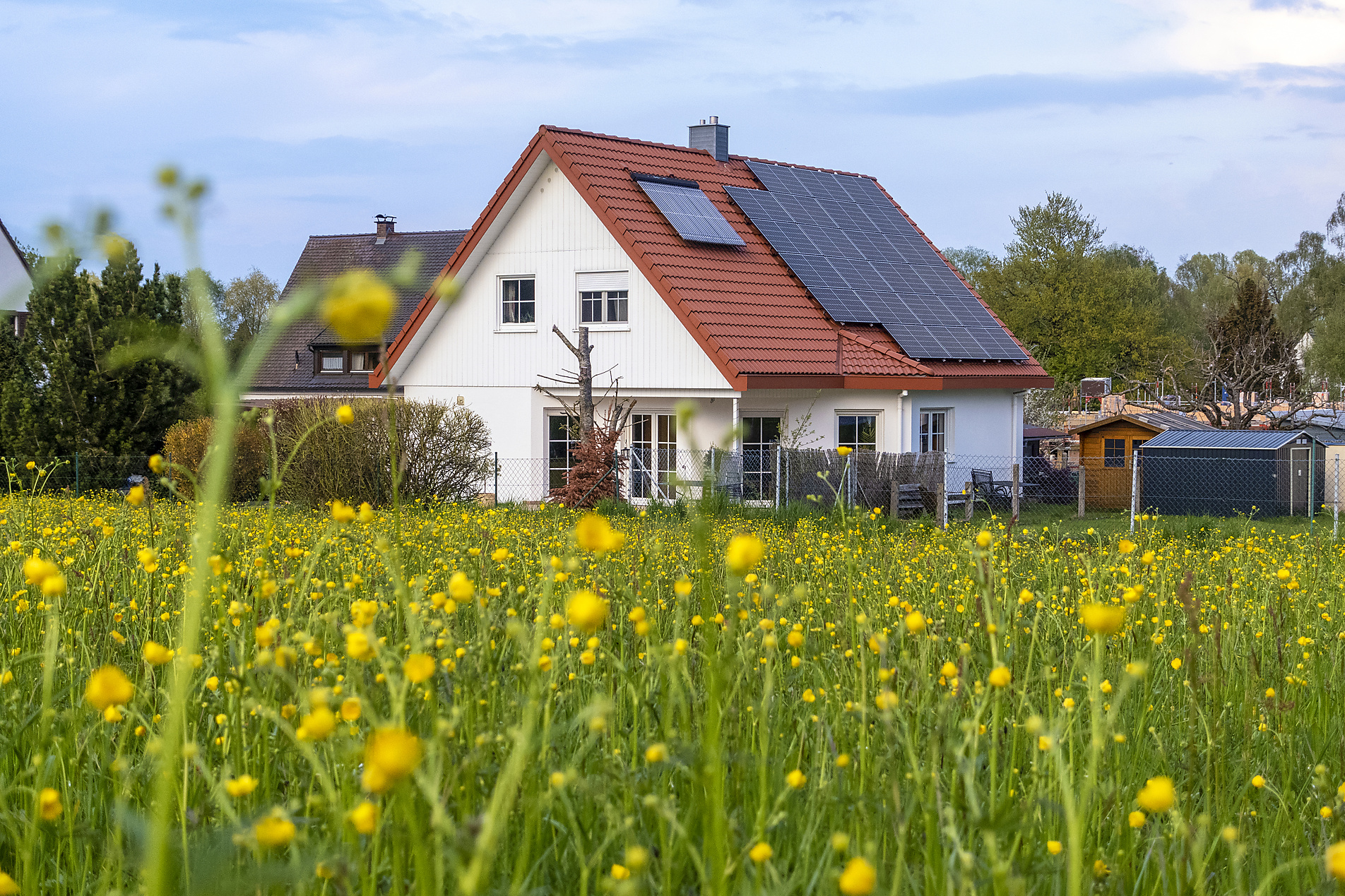
For many, rising heating costs are still no more than a gloomy cloud on the horizon beyond the summer of 2022, but the problem will make itself felt in every household with the first utility bill in the new year. Shocking gasoline prices and municipal energy-saving measures in swimming pools, for example, are only the first signs of things to come.
Seeing the crisis as an opportunity
Even if some still deny the connection between greenhouse gas emissions and global warming, the rising prices for fossil fuels and Germany’s dependence on Russian gas are unpleasant facts that can’t be argued away. The resulting economic compulsion to search for new forms of energy production is also an opportunity for an accelerated change of course in the direction of “new energies.”
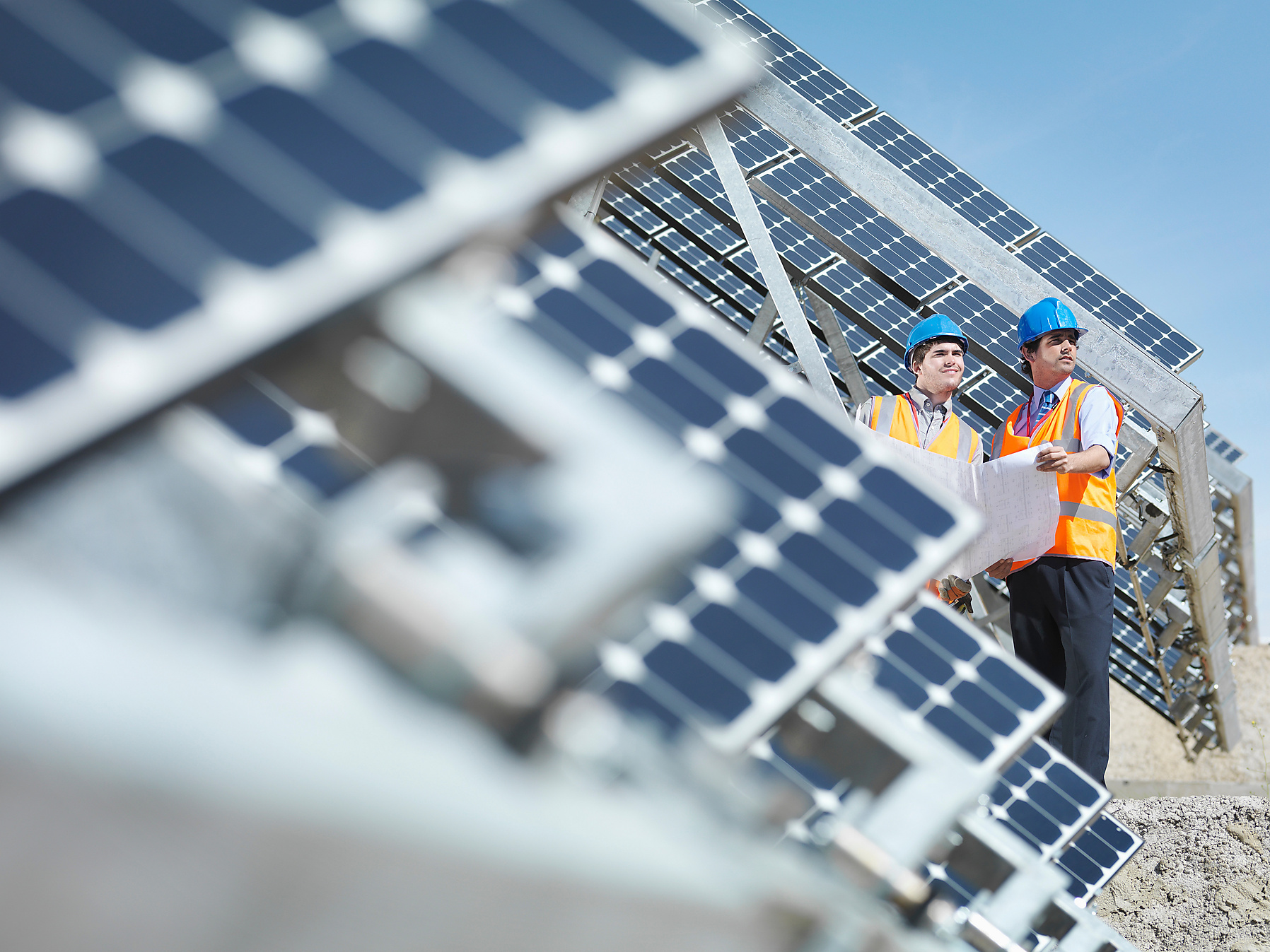

Currently, a maximum of about only half of Germany’s electricity demand comes from renewable energy sources such as wind and solar. This means that coal, gas, and nuclear power plants continue to play an important role in providing energy. Conversely, though, it also means that half of the electricity is renewable. However, the energy turnaround is a lengthy process which still has many hurdles to overcome. One example is the faltering expansion of wind farms, which often fails due to distance regulations.
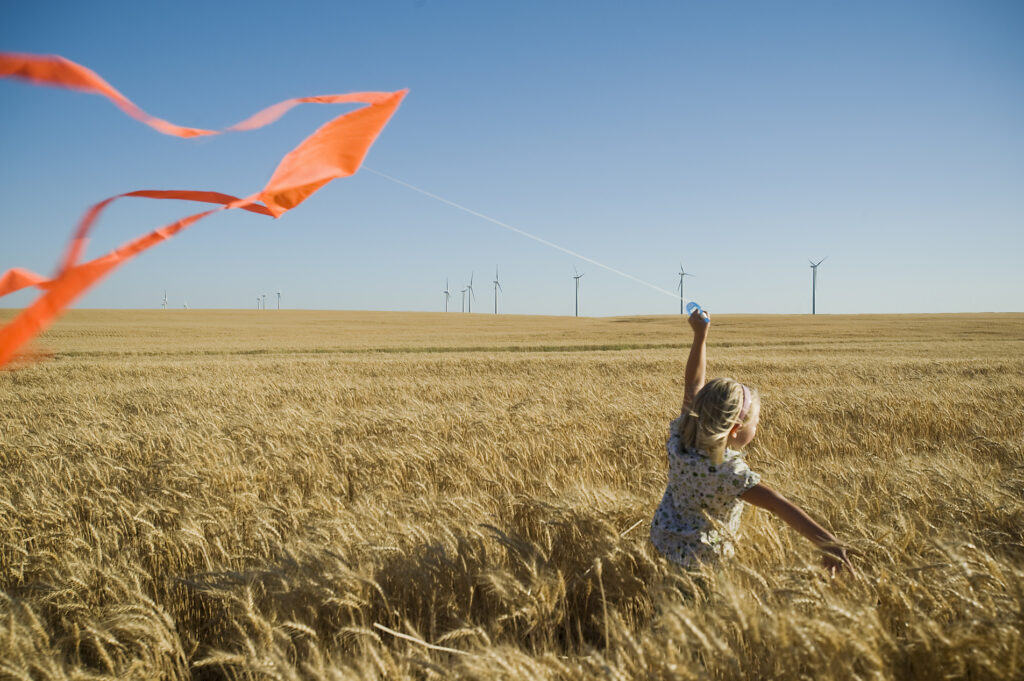
climate positive into the future – this is what the energy revolution looks like!
“Fossil” is so yesterday
However, electricity needs are only part of the huge energy demand of an industrialized nation. Oil and gas are currently still indispensable for transportation, production, and heating. According to a survey by the German Federal Ministry of Economics and Climate Protection published in Die Zeit, for example, more than 91% of energy requirements in the transportation sector are met by mineral oils, whereas the share of renewable energies is just a measly 6%. The high level of dependence on gas is demonstrated by the 34.9% share of energy supply in the industry sector, 37.9% in private households, and 27.7% in trade and industry.

However, it is not only the geopolitical considerations and ecological aspect that are currently in focus, but also the limited availability of fossil resources that force us to rethink. Longer lifetimes for risky and/or environmentally harmful forms of energy generation with nuclear or coal-fired power plants can, at best, be a transitional solution to achieve faster independence from Russian gas imports.
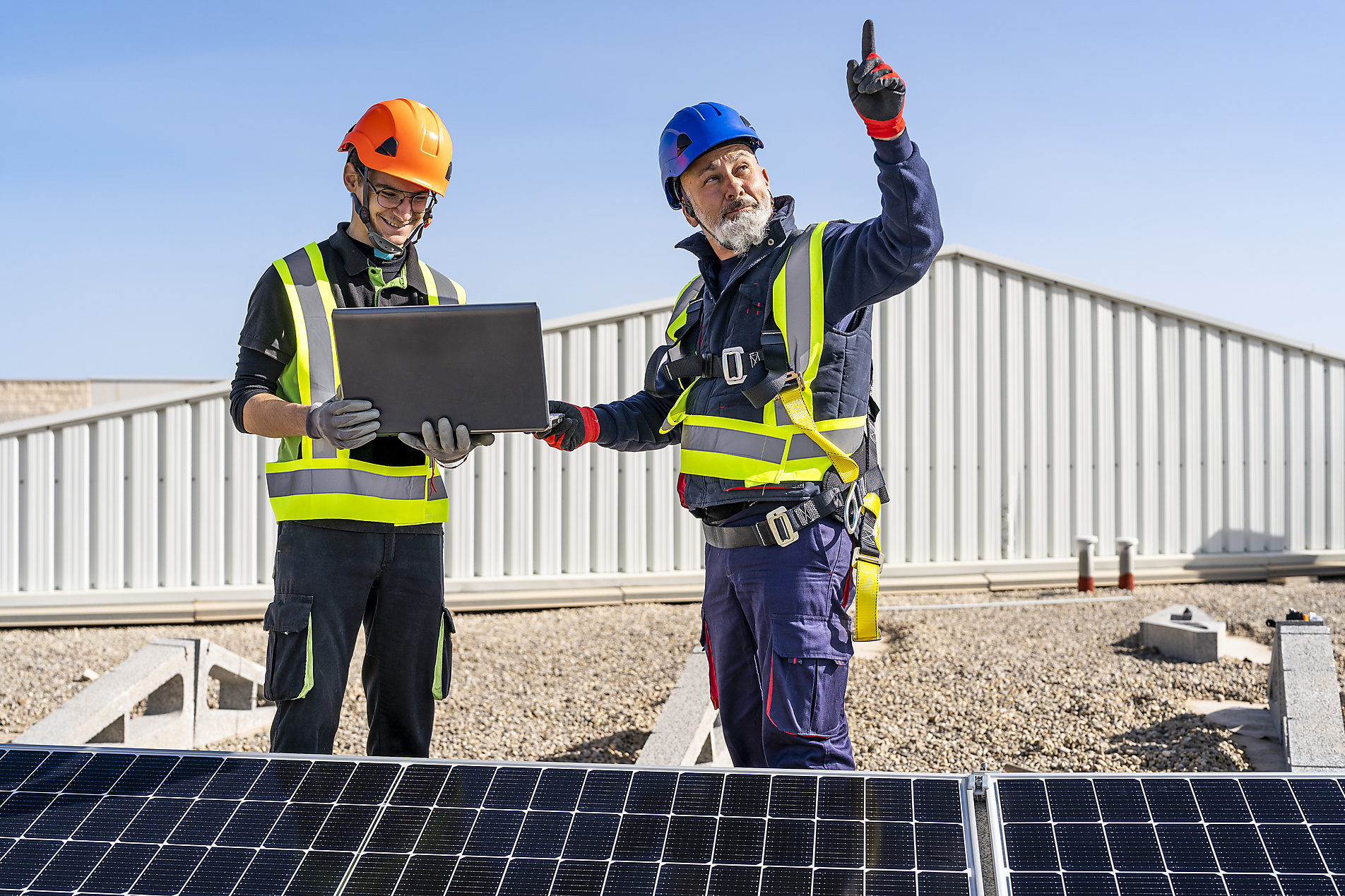
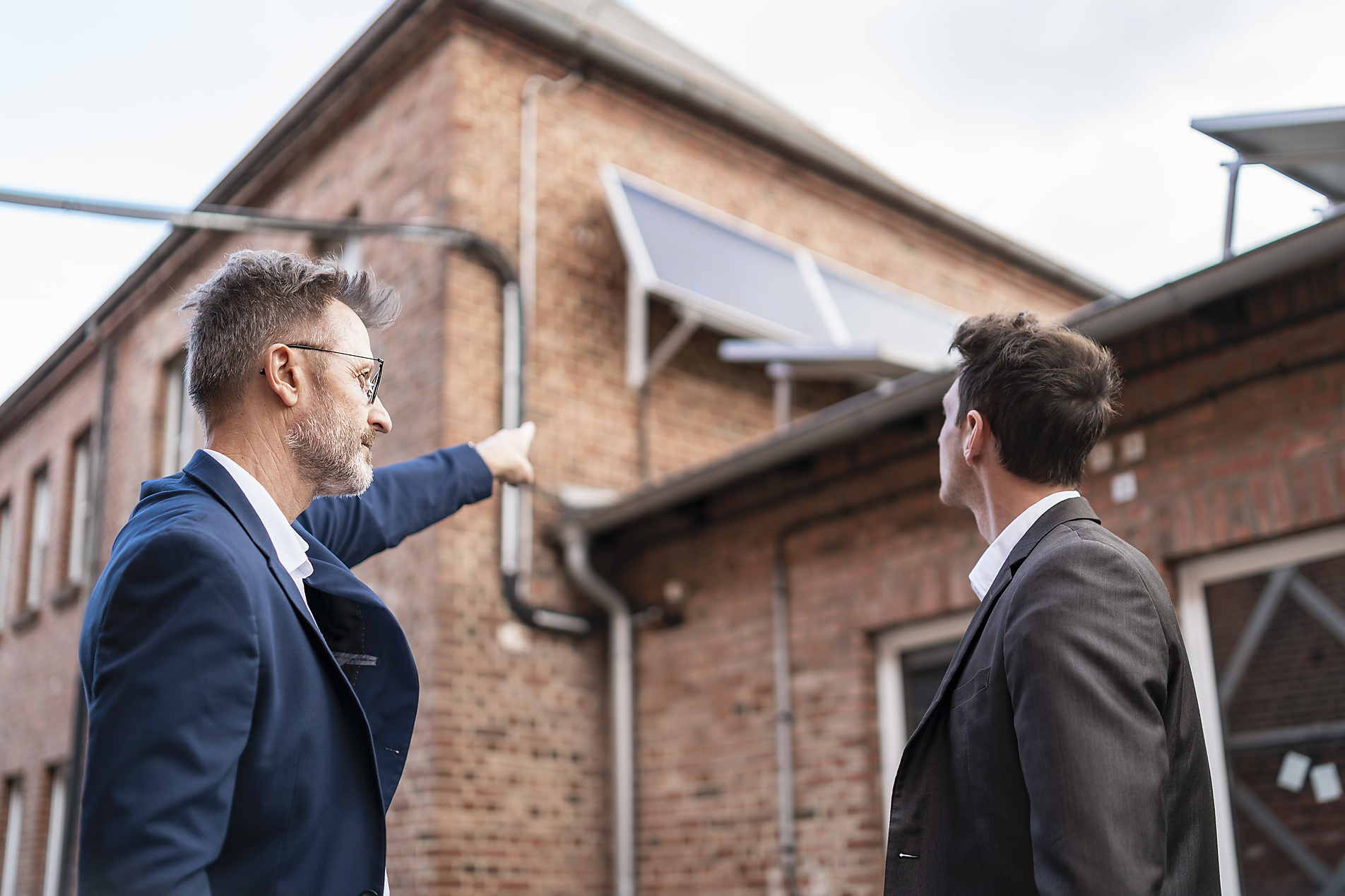
“Business as usual” is not an option
Climate change, limited availability, the political-power blackmail potential of fossil energies, and constantly rising prices—the past few years have made the most important arguments for an energy transition abundantly clear to us. It should be obvious now more than ever before that business as usual would not only further destroy the livelihoods of future generations, but is also no longer an option in economic and political terms. After all, rising energy prices are factored into the cost of almost every product. It follows that rising prices for increasingly scarce energy sources not only mean a few degrees lower in the living room in the short term, but they can endanger prosperity and social peace in the longer term.

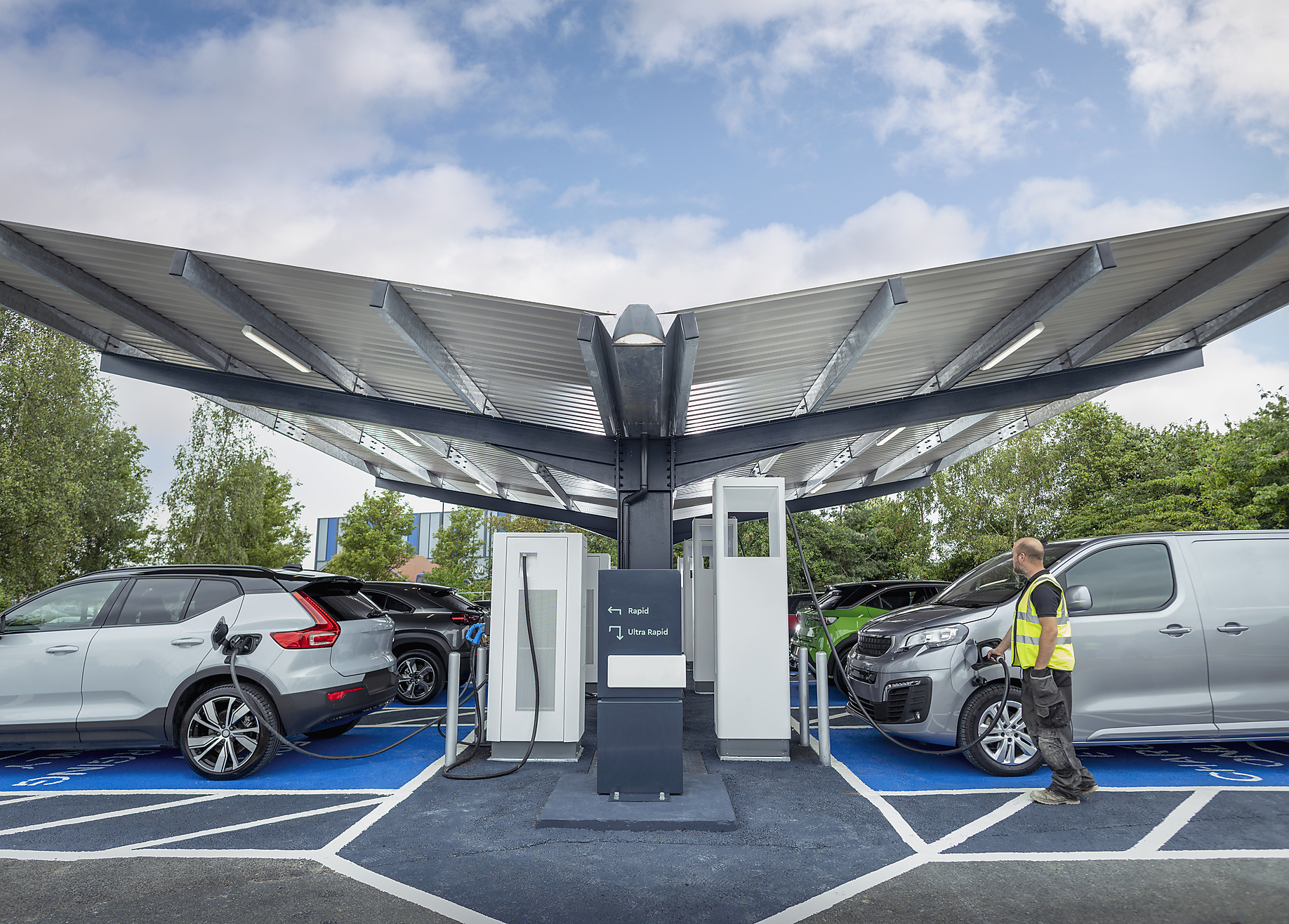
The good news is that the shift in consciousness toward a “greener” (not necessarily in the political-party sense) society is already in full swing. More and more e-cars are rolling along the roads; cyclists are conquering the inner cities; and an ecologically conscious lifestyle is becoming a status symbol for the younger middle class. Even in the executive suites of companies, where sober calculations rather than concern for the planet determine actions, a rethinking is taking place. They have recognized that ecologically responsible management is the order of the day because it is not only good for the environment, but can also be a powerful selling point and strengthen customer loyalty to brands that are perceived as being credible.
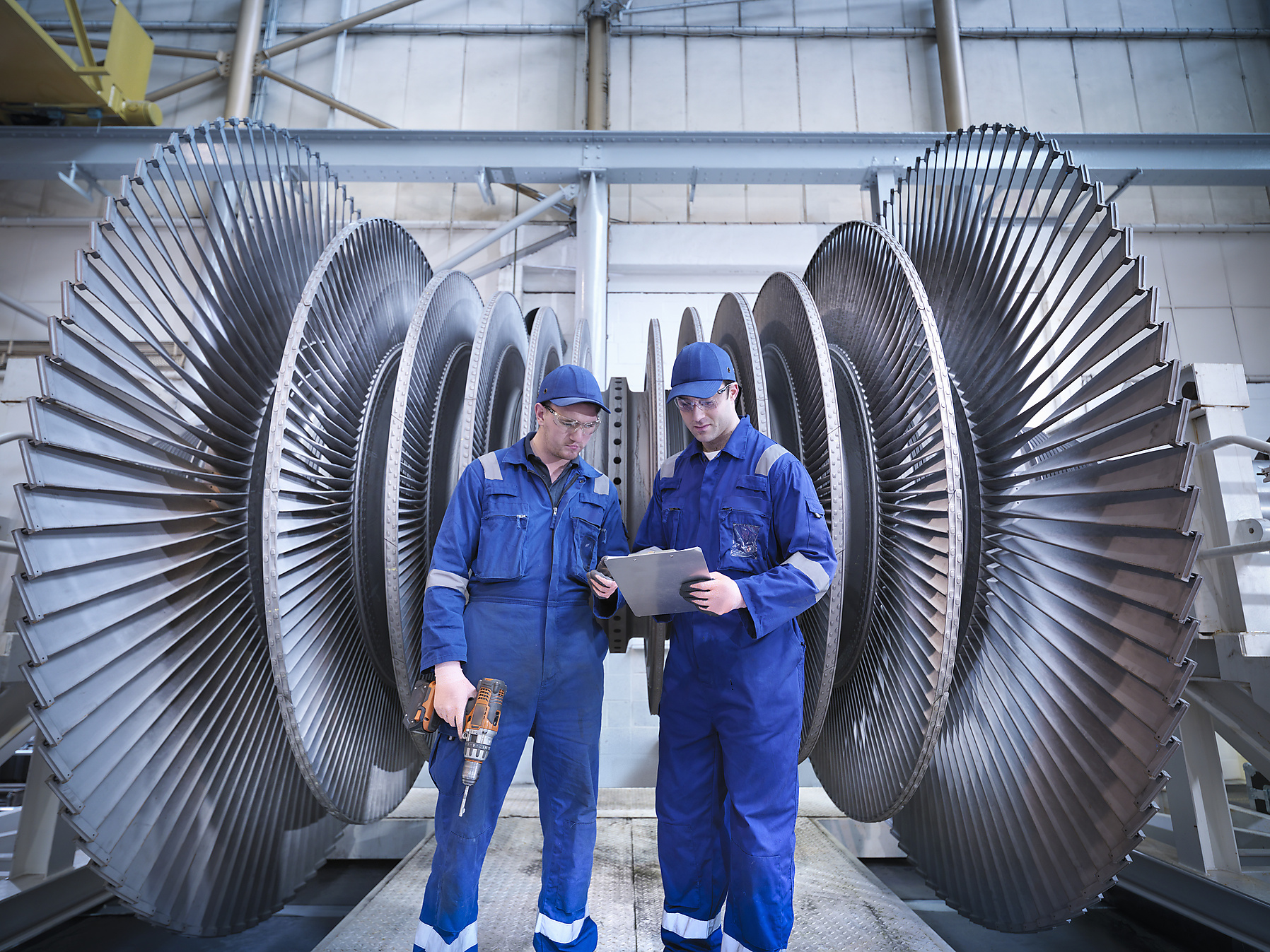
An eye-catcher in the fight for customer favor
It follows that the most diverse aspects of the energy transition are an important part of visual corporate communication. This makes “green” topics an eye-catcher in stock photography. You can see how diverse the design possibilities are in our Pinboard on the topic of “energy transition.” These photos show that you can think about energy supply without worry lines on your forehead because there are so many ideas for a more sustainable future. These pictures are fresh instead of fossilized and make you want to think about tomorrow.