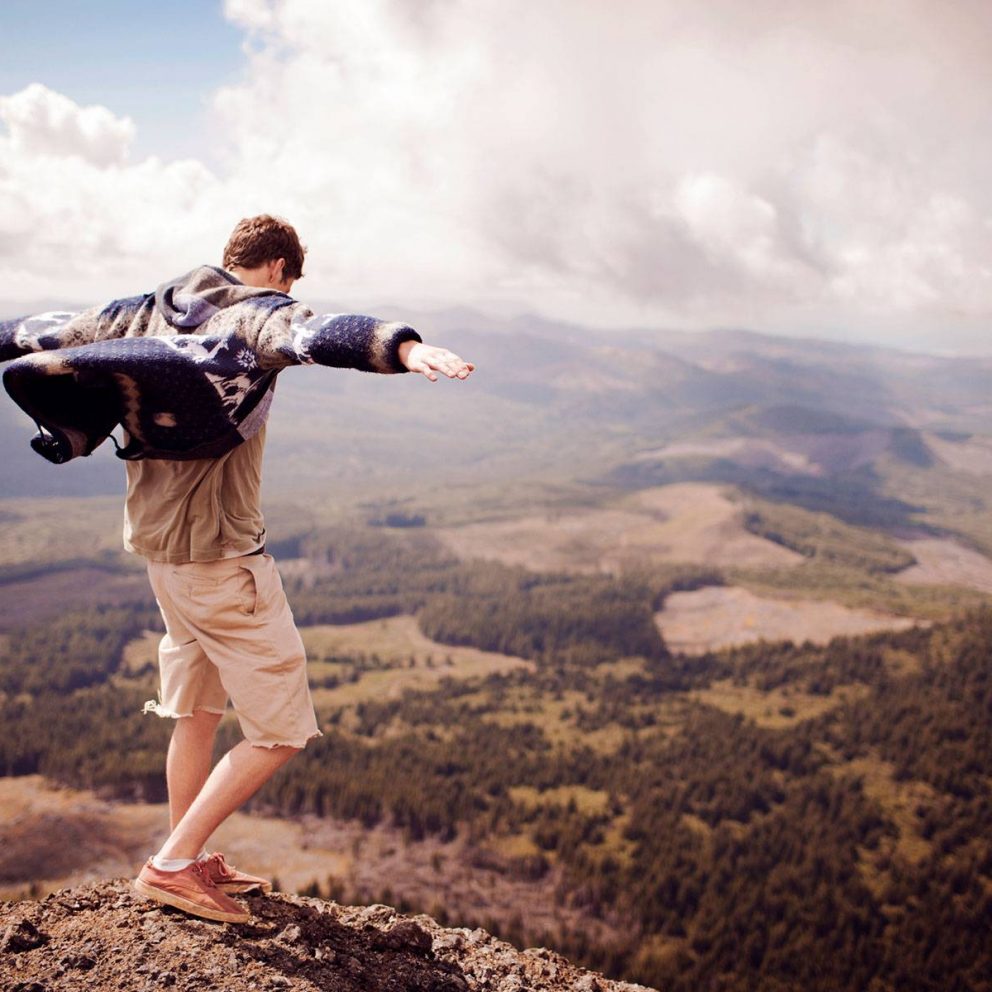
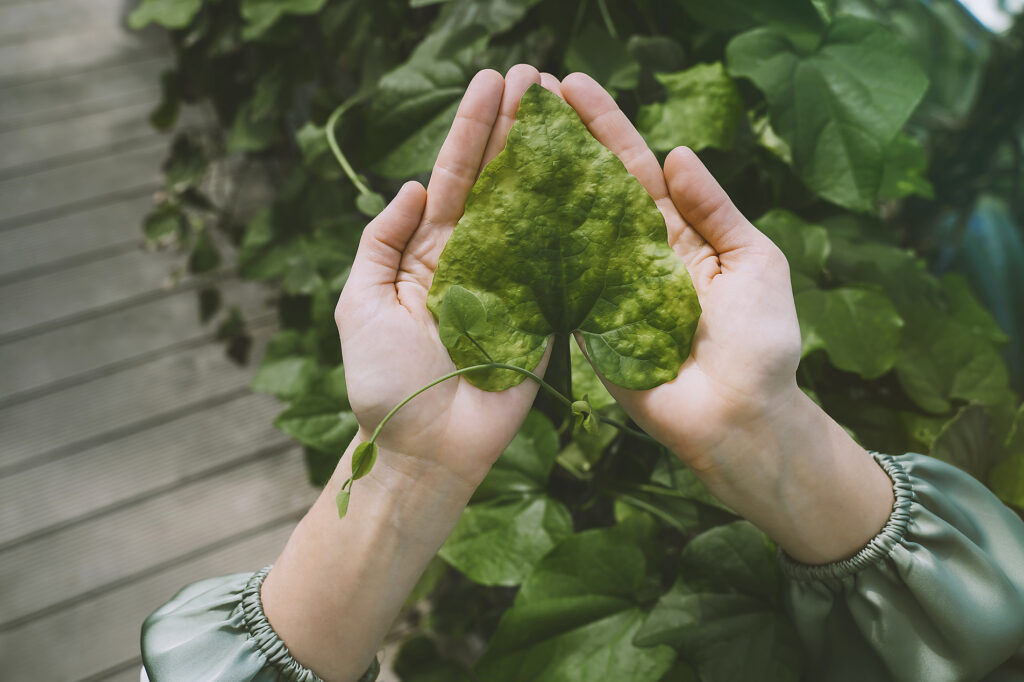
The forest as a place of longing for stress-laden souls
“I went to the woods because I wished to live deliberately, to front only the essential facts of life…” These words come from Henry David Thoreau’s (1817-62) early book on escaping modern life, Walden. In it, he describes living in a remote log cabin and his departure from modern American 19th century life, which was increasingly shaped by industrialization and its effects.
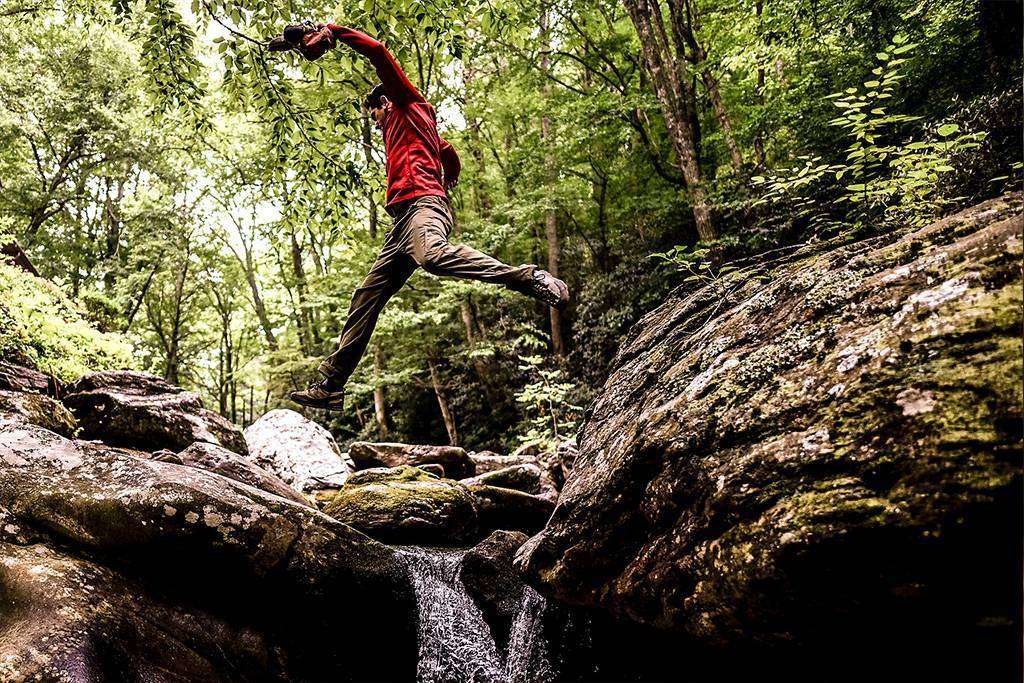
Thoreau’s search for an alternative lifestyle is timeless and has since found many imitators, such as the young Christopher McCandless, who, in 1992, paid for his dream of ultimate freedom in the Alaskan wilderness with his life.

Looking for images of people in forests? We got everything you need!
But you don’t have to be a world-weary outdoor enthusiast to appreciate the value of the green world around us. For many people, the woods are mystically charged places of longing because they stand not only for silence and closeness to nature, but also for seclusion and self-discovery. Many lockdown-plagued city dwellers in particular have felt this strongly in recent months. How much people seek and appreciate the physical and mental healing effects of nature is shown not only by crowded hiking areas, but also by the covers of magazines. Magazines about small outdoor adventures are everywhere. And the outdoor trend has also long since found its way into fashion. In short: Outdoor is in, and nothing embodies this as much as the woods.
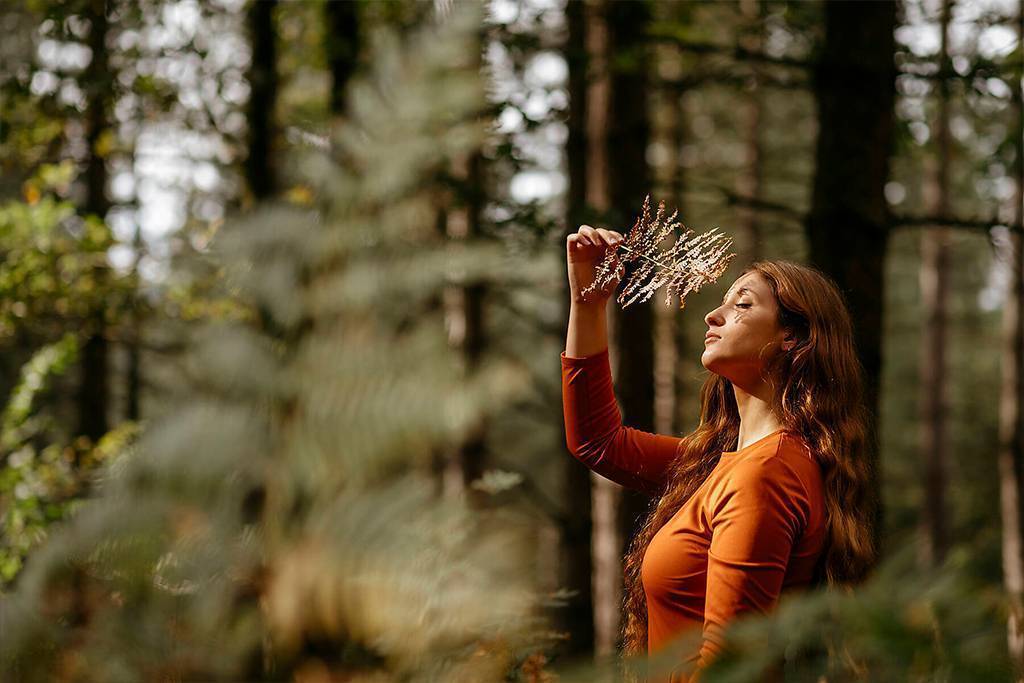
The green pharmacy around the corner
Now burning all bridges to civilization and following the call of the wild in search of oneself and the core of things is not for everyone. For most, the price would be too high: job, family, friends, a safe roof over one’s head, health insurance… But that doesn’t mean we shouldn’t make small escapes into nature every now and then. According to biologist Clemens Arvay, we should all “try to increase our time spent in the wilderness.” Arvay has theorized that intensive contact with nature is healing for the human body.
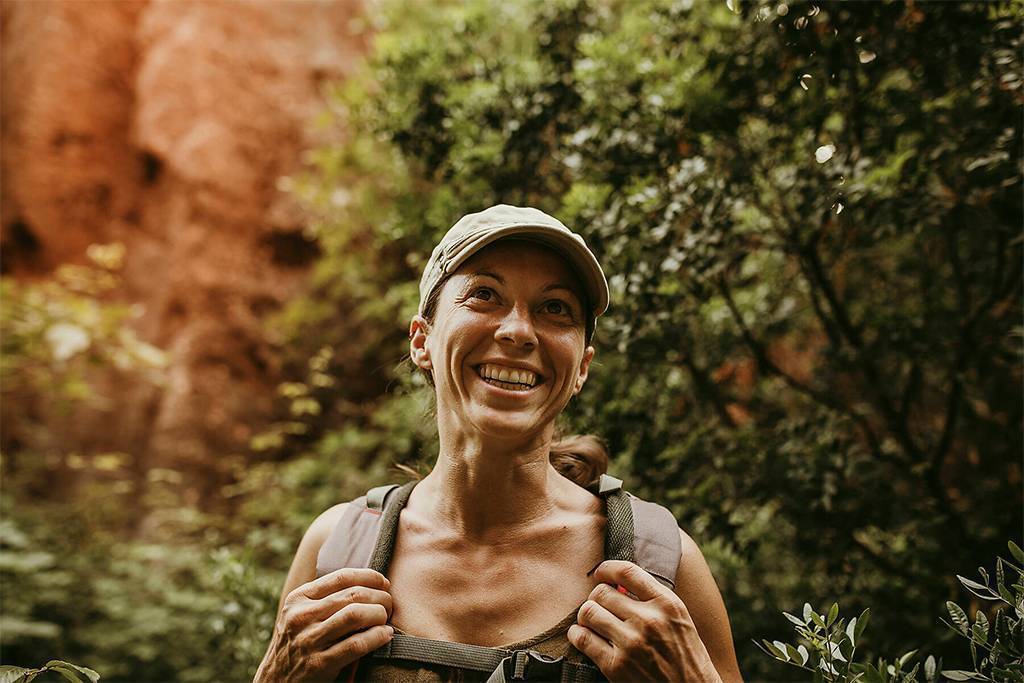
According to this theory, the lungs and skin in particular benefit from the clean air of the forest. In Arvay’s opinion, it is above all the separation of modern man from nature that weakens the immune system and its defenses. A stay in the woods, on the other hand, promotes regeneration and mental well-being. Many of us know this as even a short walk in the countryside sometimes helps to break us free from the hamster wheel of brooding thoughts for a while.
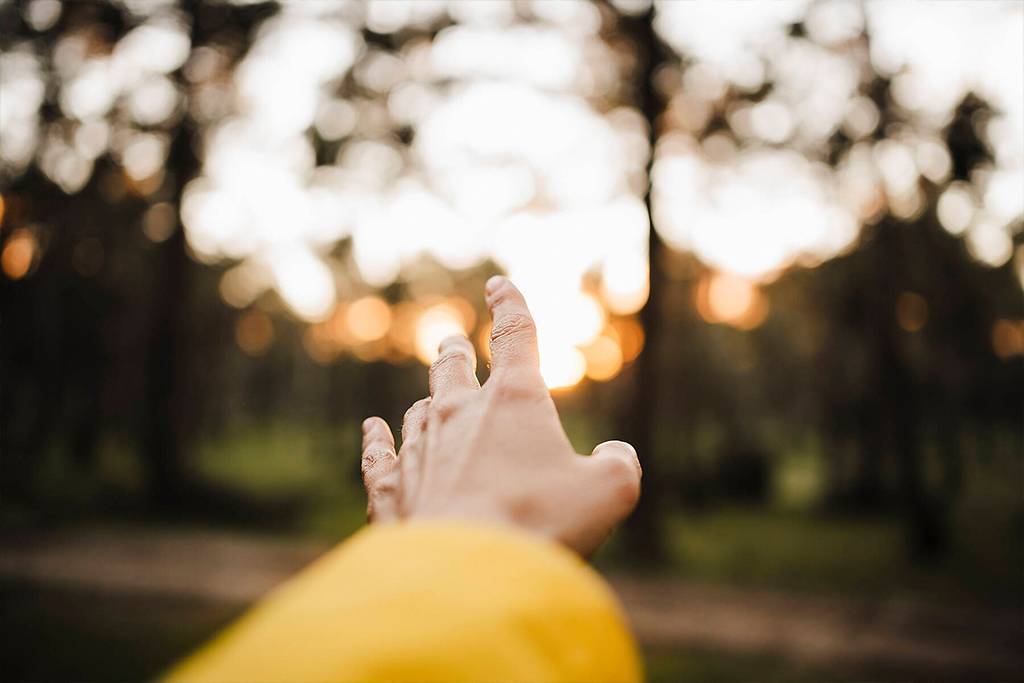
A plea for freedom
Thoreau’s hermit experiment was often questioned by his contemporaries; some dismissed him as a cranky eccentric. But the early outdoor writer answered his critics, headstrong and sure: “Why should I feel lonely? […] I find it wholesome to be alone in the greater part of the time. To be in company, even with the best, is soon wearisome and dissipating. I love to be alone.”
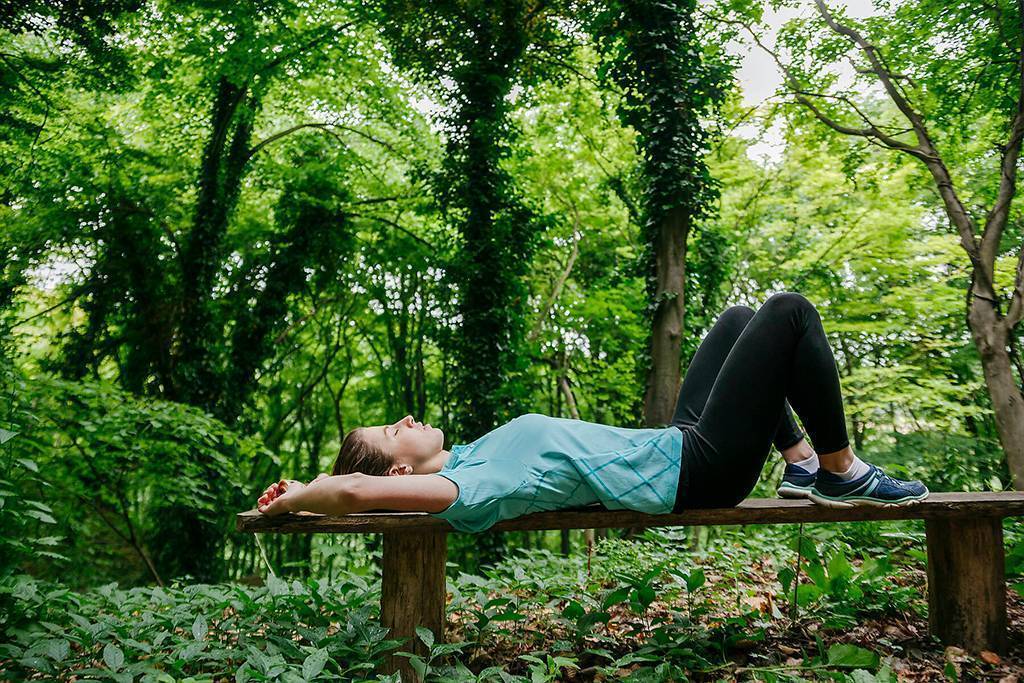
Today, as we constantly share our lives with each other in stories, reels, and posts, these words seem not merely alternative, but critical of the system, almost revolutionary. Thoreau is highly topical because he critically questions the mechanisms of the consumer society, whose wheels are racing even faster today than in Thoreau’s lifetime. He presents the green world beyond cities as a healthy alternative to the belief in progress and the constant drive for “faster, higher, farther.” It is not without irony that high-tech in particular is a strong driver of the outdoor boom of our day. Digital networking is also a strong trend driver here.
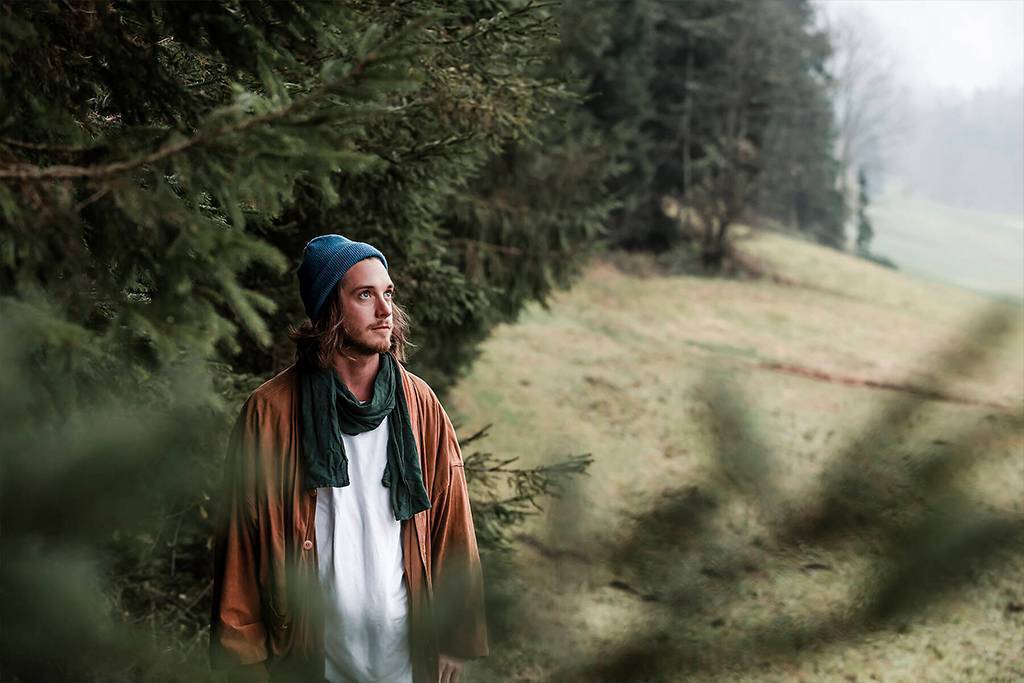
Beautiful images from the wilderness can’t conjure up the scent of moss and pine needles, but they certainly help you dream when you can’t actually roam through the cozy forest. Use our forest pinboard as inspiration to reflect on nature and let your thoughts fly during a little walk through the woods.