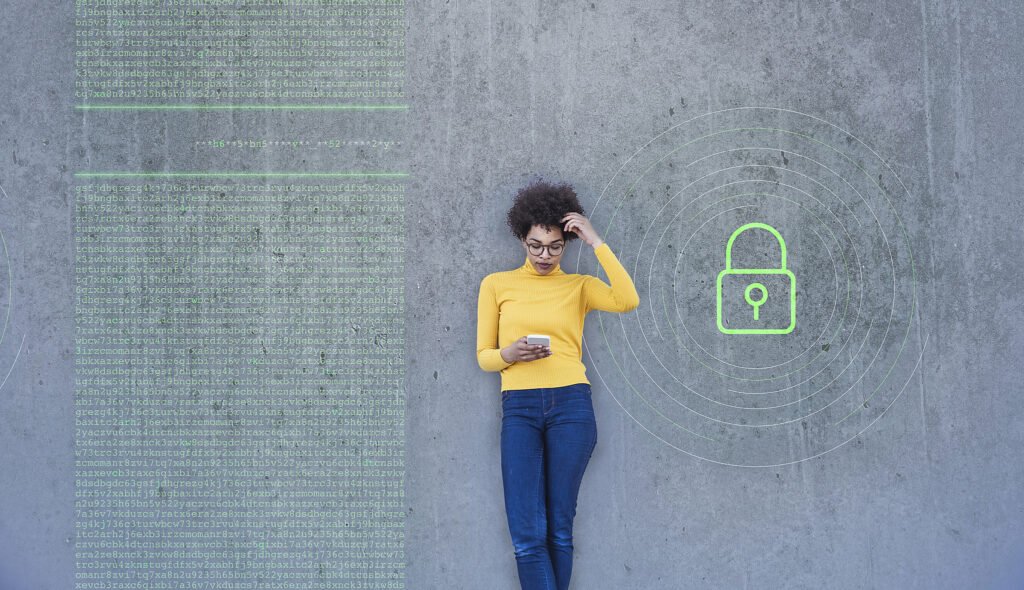
DIGITAL LEARNING – HOW THE EDUCATION REVOLUTION WORKS
The digital revolution has not only changed the world of work and the way we communicate, but access to unlimited amounts of data and the diverse possibilities of virtual interaction have also paved new ways of imparting knowledge. Learning processes as a fundamental prerequisite of human life are being increasingly shifted into the digital space, making “digital learning” an important aspect of the megatrend Digitalization.

Even before the Covid-19 pandemic, we were using the Internet to acquire new knowledge and skills: new cooking recipes, new workout exercises, photography tutorials, learning to play a musical instrument… the list goes on and on. On the other hand, in school—the center of learning—the topic of digitalization has been somewhat neglected. Indeed, even in the future, no sophisticated virtual room will be able to replace a classroom, and no digital learning tool will be able to replace a capable teacher.

SCHOOL, EDUCATION OR PRIVATE AMBITIONS – THE FUTURE OF LEARNING IS DIGITAL.
Large-scale experiment—Homeschooling
Then came the widespread school closures during the Covid crisis. Homeschooling was the only way to maintain a reasonably structured classroom during the lockdown. After many initial difficulties, students and teachers increasingly adapted to virtual learning. This involuntary large-scale experiment was to give the “digital learning” trend unimagined momentum. It proved that knowledge transfer can also work online, at least temporarily. This helped to dispel reservations about digital forms of teaching.
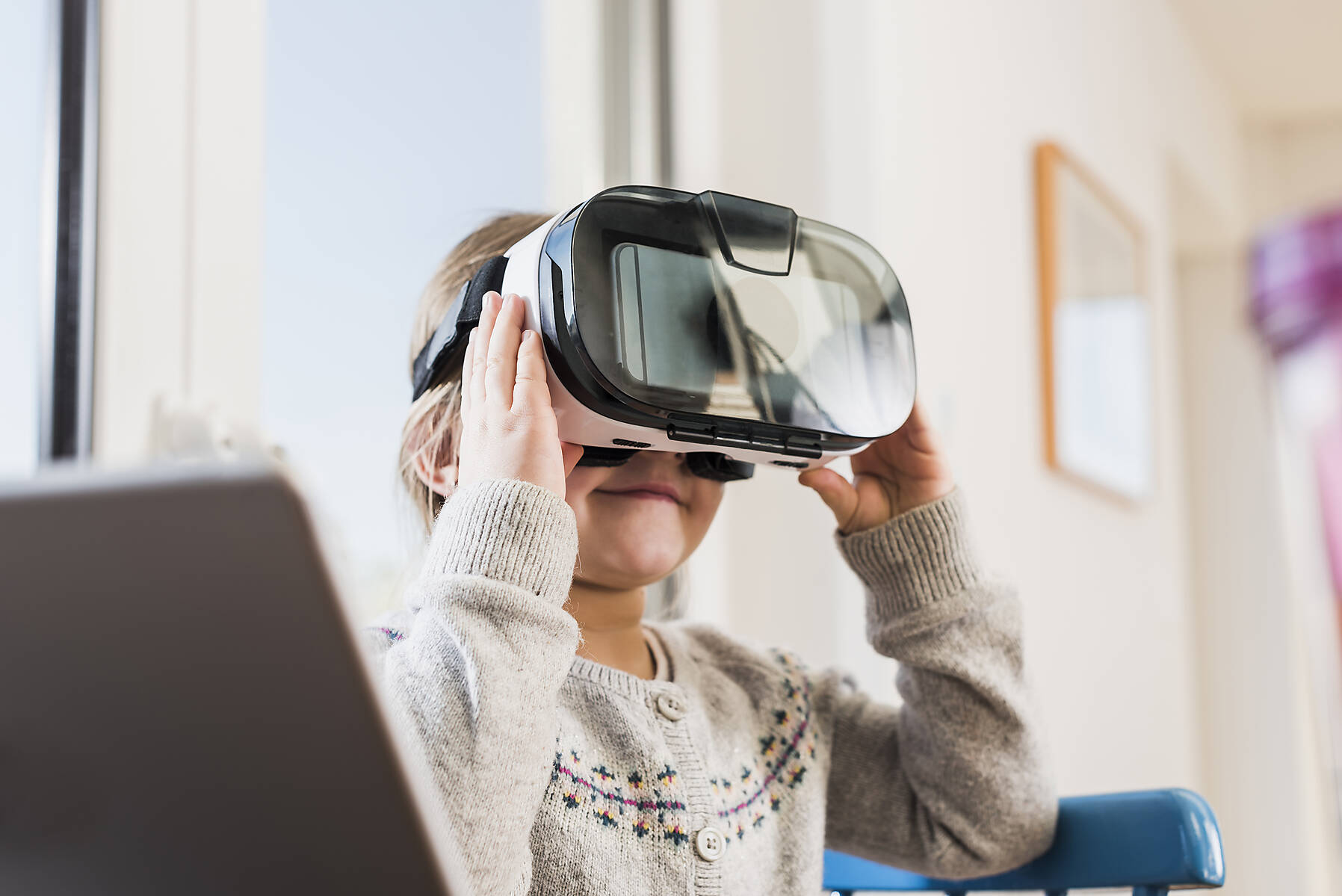


Teaching important social skills in an “analog” school classroom cannot be replaced by digital-only instruction. Nevertheless, digital learning will play an increasingly important role, not only in schools, but also in professional training. In the world of work, companies, too, have been forced to rethink and abandon reservations about the home office as a result of pandemic-related contact restrictions. This will also have an impact after the pandemic, not only on work processes in the business world, but also on employee training and continuing education. In the future, digital technology will make it possible to access a much greater wealth of experience than is merely bundled within one company. Learning in the quiet virtual closet can broaden horizons.
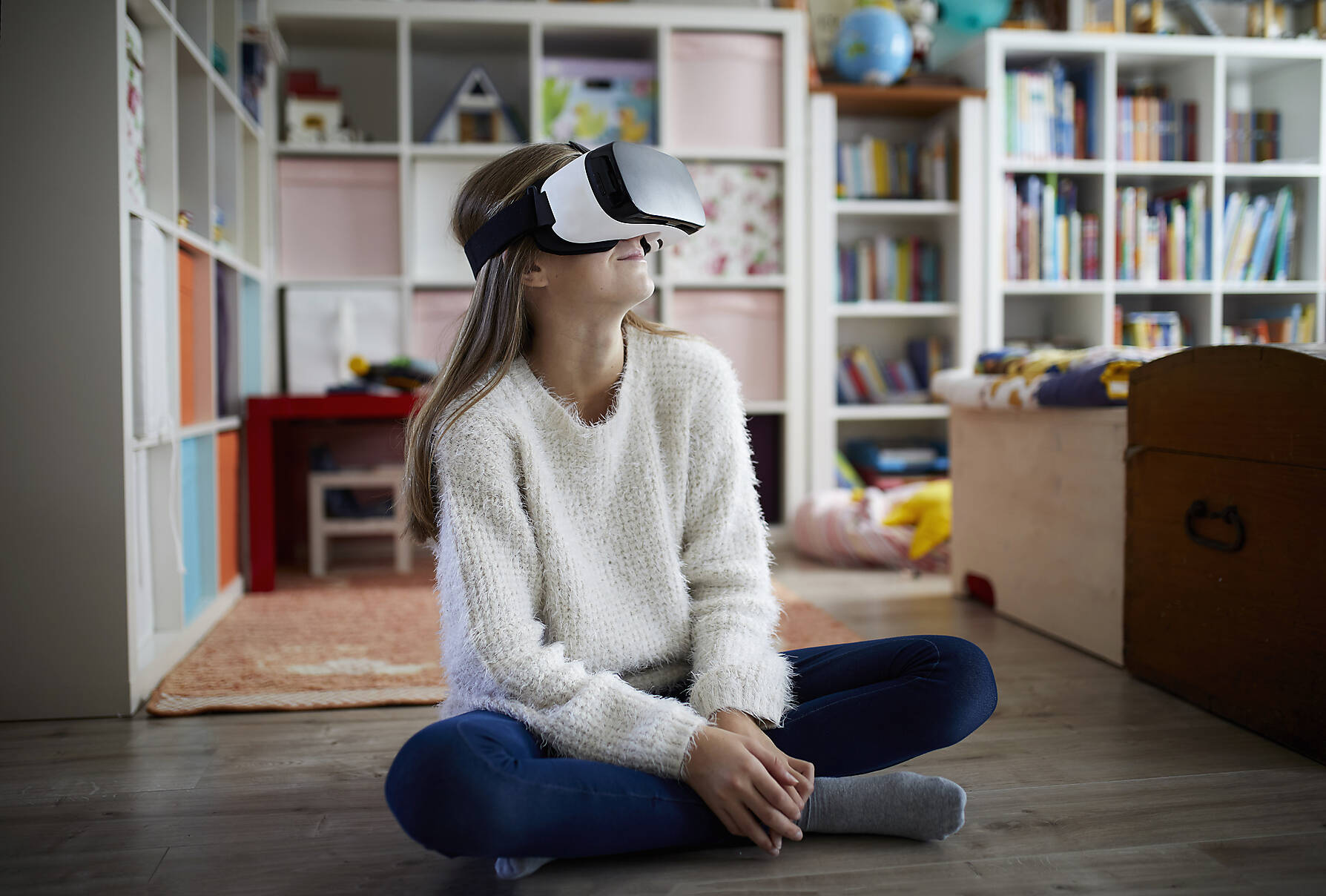
Digital learning becomes more important
Lifelong learning plays a central role in the modern knowledge-based society. Gone are the days when you learned a profession and then practiced it throughout your working life without any major changes. In a globalized and technologically and digitally networked world, the frameworks of life and work are changing more rapidly than before. Acquiring new skills and knowledge with the help of digital technology will continue to gain in importance. Of course, this applies not only to school and work, but also to leisure activities.


Digital learning can also play an important role after retirement. We live in an aging society in which the need for opportunities for senior citizens to participate and contribute is becoming increasingly important. For example, elderly people whose mobility is restricted due to health problems can use the Internet to cultivate hobbies, exchange ideas with like-minded individuals, and expand their skills—an important prerequisite for mental health and mental vigor into old age.
Interesting topic for photography
These were just a few aspects of the “digital learning” topic, and, of course, dealing with the constantly evolving possibilities of digital technology is a learning process for every individual; “digital learning” affects us all in one form or another, making the topic an interesting field of experimentation for photography. The main ingredients of human inquisitiveness and curiosity plus digital technology can be varied again and again in countless situations.