Resonance – self-effective in the we-culture
Under the impression of global crises, an increasing need for community and solidarity is becoming noticeable in society in light of global crises. After all, collective experiences of insecurity such as the Corona pandemic have clearly shown that we can only survive together. Human beings are social creatures who need to exchange with their fellow human beings and often require their support. The new “we” culture is a corrective to a social trend toward progressive individualization of life plans, but not necessarily a counter-model: It means the further development of individualization into co-individualization, which also considers the needs of others and the community. Without a sense of community, no society can exist in the long term. Actions guided by mindfulness, empathy and solidarity are what give individuals a sense of self-efficacy and meaningfulness. This is not only social, but also conveys the good feeling of making the world a little bit better. That’s what makes We-Culture strong stuff for good pictures!

Strong image message: Things are better together!
Problems that affect us all can be solved better if we tackle them together. Working together for a good cause gives the individual a strong sense of community. This is the best medicine against feelings of powerlessness that sometimes threaten to overwhelm us. It is not a contradiction for this expression of we-culture to be sometimes loud and confrontational. Solidarity does not always require agreeing with everything but sometimes calls for loud protests. This picture by Eugenio Marongiu makes that very clear: the man with the megaphone and his comrades-in-arms are visibly not at all in agreement here right now and are making that clear.

The new “we” culture is fed not least by the realization that we all inhabit the same earth and are jointly responsible for it. Modern humanity is highly mobile and networked, and the world’s problems cannot be stopped by national borders. Exchanges among different cultures are prerequisites for a successful and peaceful future, and for overcoming global problems such as climate change. As important as contacts at the political and diplomatic level may be, the most important thing is people-to-people encounters: this is the only way to reduce prejudices and fears of those who are foreign to us and to build mutual trust and understanding.

Find more images of We-Culture in our Webshop!
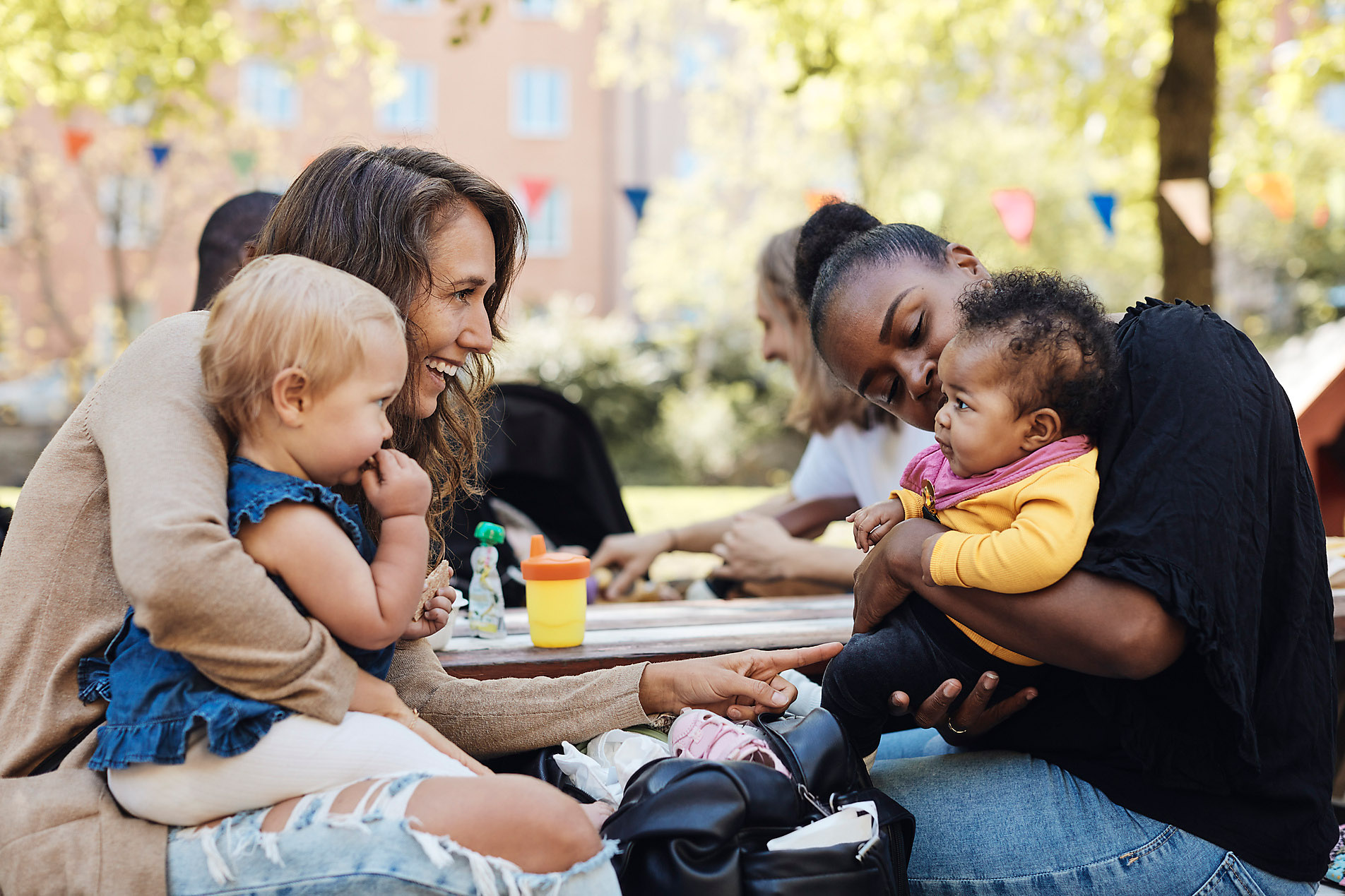
It is about the common responsibility of all people for the future of their children and grandchildren, as well expressed in this picture by Maskot: Wherever we come from and whatever the color of our skin may be: most of us ultimately have the same wishes and hopes.
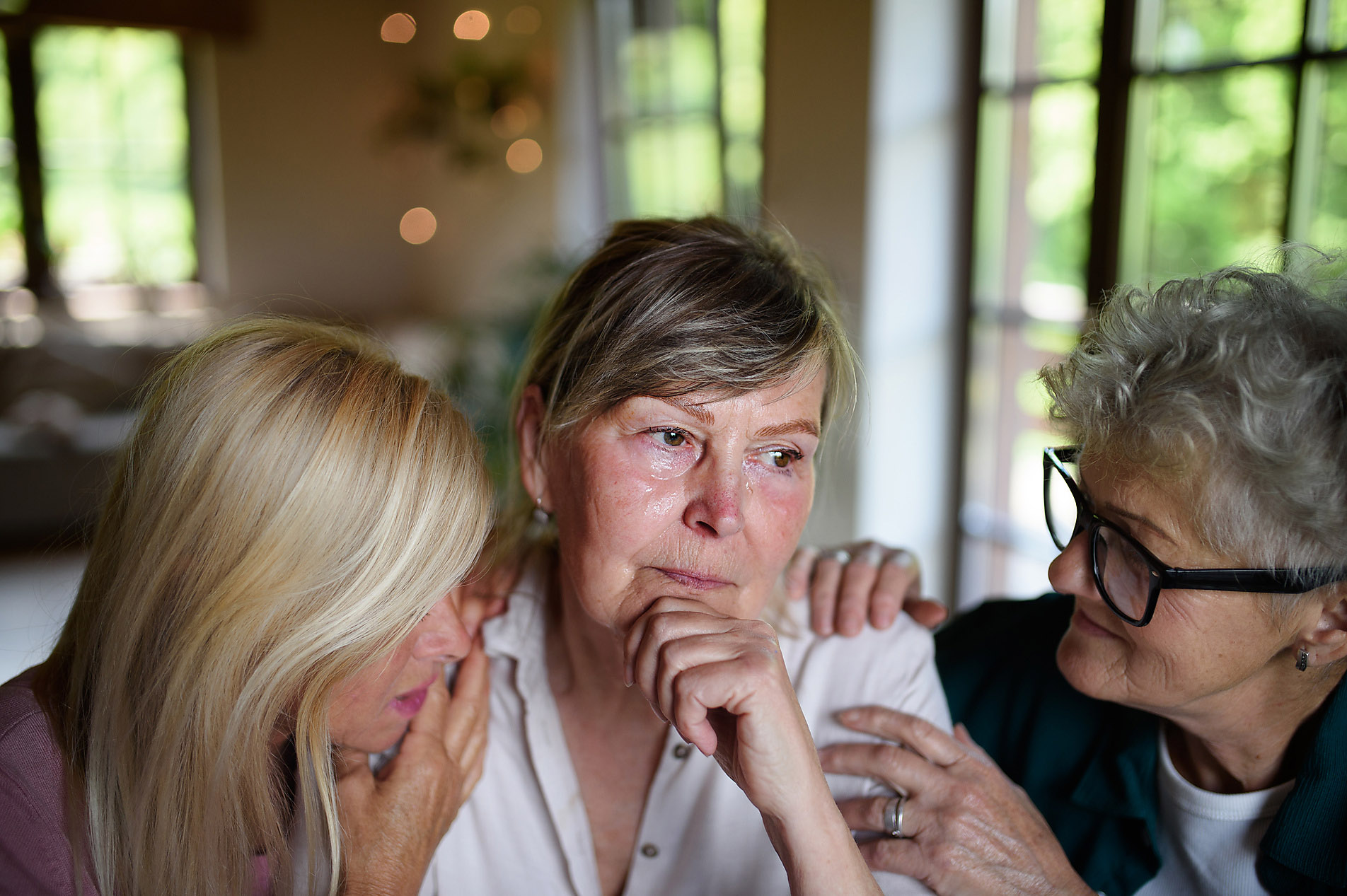
For most people, the central place of safety, security and cohesion is the personal environment of family and friends. We can laugh and have fun with them because we share a common wavelength and an evolved sense of belonging. But these people also provide a safe haven in stormy times, where we can find understanding and encouragement when the waves threaten to overwhelm us. Here we can appear without a mask and be the way we are: vulnerable, depressed or even desperate. It is precisely moments like these that show and prove true friendship and devotion most clearly. This emotional picture from INMAGES, in which two women comfort a sad friend, sums it up well.
Emotional motifs for many purposes
The “we” is the social glue that holds any society together. We notice this most clearly when it begins to crumble here and there. And we recognize it: We need it in all parts and levels of our highly complex polity. Accordingly, there is a wide range of possible applications of images on the subject of we-culture. It can be in the context of institutions and initiatives that advocate transparency and corporate social responsibility in a wide variety of forms; it can be advertising for the work of established social associations; it can be illustrating core values of social, administrative and political work; it can be strikingly expressing the concerns of social and church institutions. These are just a few examples. Because there are – fortunately – a lot of people who are committed to empathy and compassion.