Visualizing Sustainability: How to Find Authentic Eco-Stock Photos Without the Greenwashing Effect
At a Glance: Consumers are becoming increasingly skeptical of superficial eco-claims. Advertising campaigns featuring clichéd environmental symbols tend to inspire skepticism rather than trust among the target audience. This article shows how modern companies credibly portray a genuine circular economy and the use of green technologies to avoid the greenwashing effect in marketing.


© Left: Westend61 / Joseffson, Center: Westend61 / Maria Maar, Right: Westend61 / Daniel Ingold
Moving away from visual eco-clichés in the local market
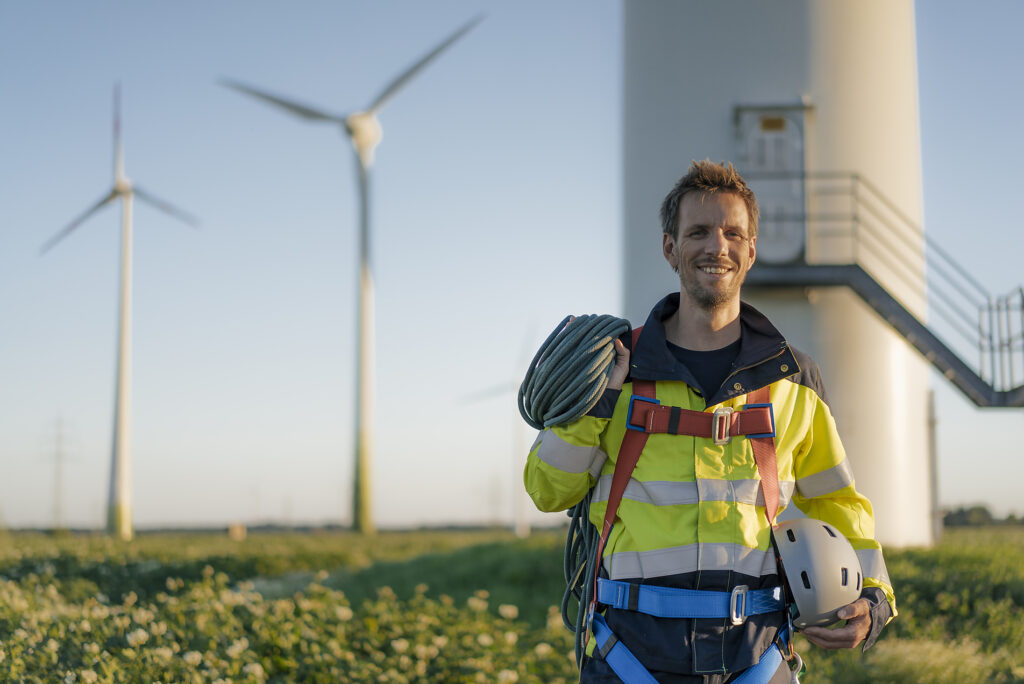
Anyone who wants to visually represent sustainable practices within their own company faces a major challenge. For a long time, such campaigns were dominated by stereotypical motifs such as an open hand holding a small plant or perfectly clean wind turbines against a bright blue sky. Now, however, such symbolism is increasingly perceived as insincere and tends to elicit skepticism among viewers. This is because such imagery too often creates the illusion of environmental responsibility that has little or nothing to do with reality. This quickly gives rise to suspicions of greenwashing. This can damage a positive image that has been painstakingly built up over the years and undermine customer loyalty. Well-informed and critical consumers have now developed a keen sense for such staged presentations and easily see through them. Instead, they demand genuine transparency from a brand.
Companies therefore need visual content that portrays eco-friendly practices in an authentic and credible way. This means moving away from artificial green color filters and sterile scenes created in a studio or on a drawing board. What’s needed instead is contemporary stock photography that documents real processes, actual innovations, and sustainable practices in a clear and transparent manner.



© Left: Westend61 / LIFESTOCK , Center: Westend61 / Elisatim, Right: Westend61 / Roger Díaz
Focus on Real Circular Economy and Green Technologies
Anyone wishing to promote their environmentally responsible business practices must prioritize authentic everyday scenes when selecting images. Instead of abstract environmental symbols, the focus should be on concrete actions and effective sustainability concepts. The spectrum ranges from depictions of modern recycling infrastructure in municipal operations to the use of smart car-sharing concepts and activities in the field of renewable energy. And there’s one more important point: The images must reflect the geographic and structural realities of our economic region so that the local target audience can identify with the content.



© Left: Westend61 / Felix Eisenmeier , Center: Westend61 / INIMAGES, Right: Westend61 / Javier Sánchez Mingorance
Strategic curation as a safeguard against missteps in image selection
For creatives and image buyers, collaborating with Westend61 offers a clear strategic advantage: A pre-curated portfolio significantly reduces research time and ensures visual consistency across all brand communications, spanning various analog and digital channels.
In addition to their high aesthetic quality, which blends harmoniously into sophisticated brand concepts, our stock photos also guarantee the necessary legal certainty when using the content. While unclear, free image sources often pose risks regarding property rights and personal rights, our professional image material requires verified model and property releases for commercial use.



© Left: Westend61 / Mareen Fischinger , Center: Westend61 / Daniel Ingold, Right: Westend61 / RAY
CONCLUSION
A credible visual representation of environmentally responsible behavior no longer works with symbolic imagery. For corporate communication in the domestic market, the use of contemporary photography is therefore a key factor in being perceived as a responsible stakeholder. Campaigns centered on sustainability gain impact and authenticity when they depict real solutions and environmental protection in everyday life, rather than relying on hackneyed eco-clichés. After all, only those who convince through images and build trust can avoid greenwashing in marketing and strengthen consumer confidence in the brand’s integrity over the long term.
Are you planning a sustainability campaign and looking for the right visual direction for your brand? Let’s work together to analyze which visual strategy best conveys your message.