PHOTOGRAPHY AT ITS BEST: Mareen Fischinger
The photographers at Westend61 don’t just live and work in a wide variety of places. They all have their own unique photographic “style.” And their backgrounds are just as diverse. Career changers and self-taught photographers stand alongside creatives who have learned the craft of photography from the ground up and have been in the business since their youth. Mareen Fischinger from Cologne belongs to the latter category. The work of this trained communication designer and advertising photographer has been a staple of Westend61’s portfolio for 20 years.
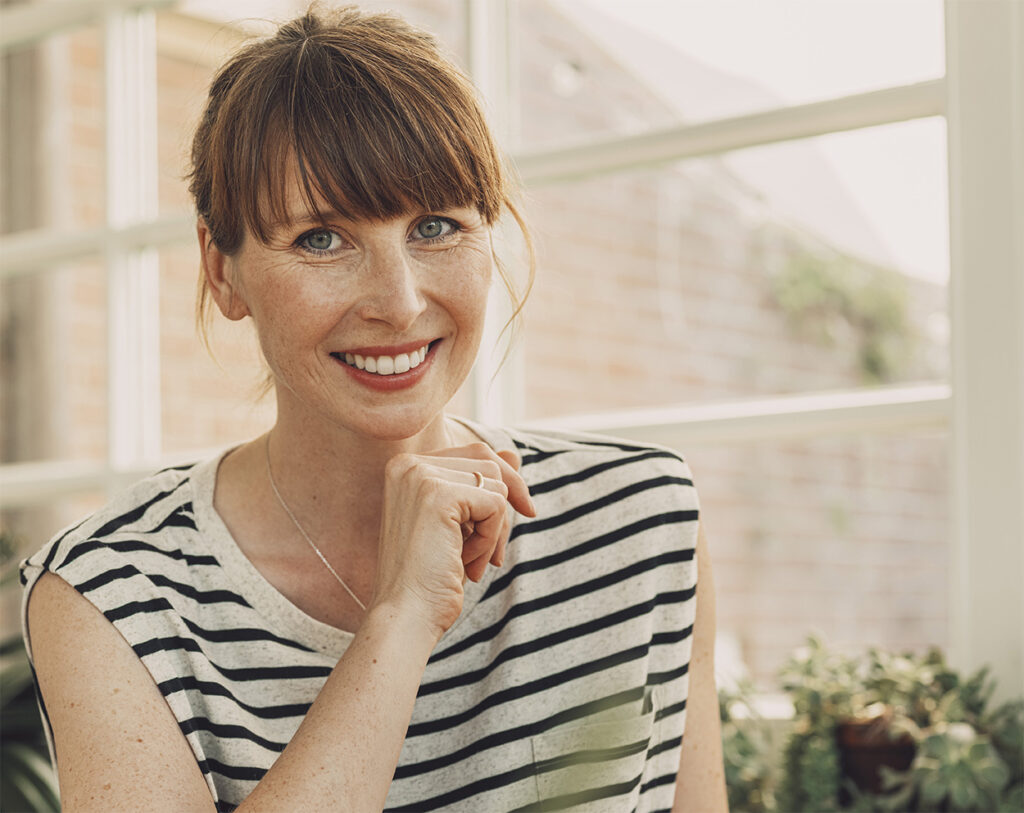
© private
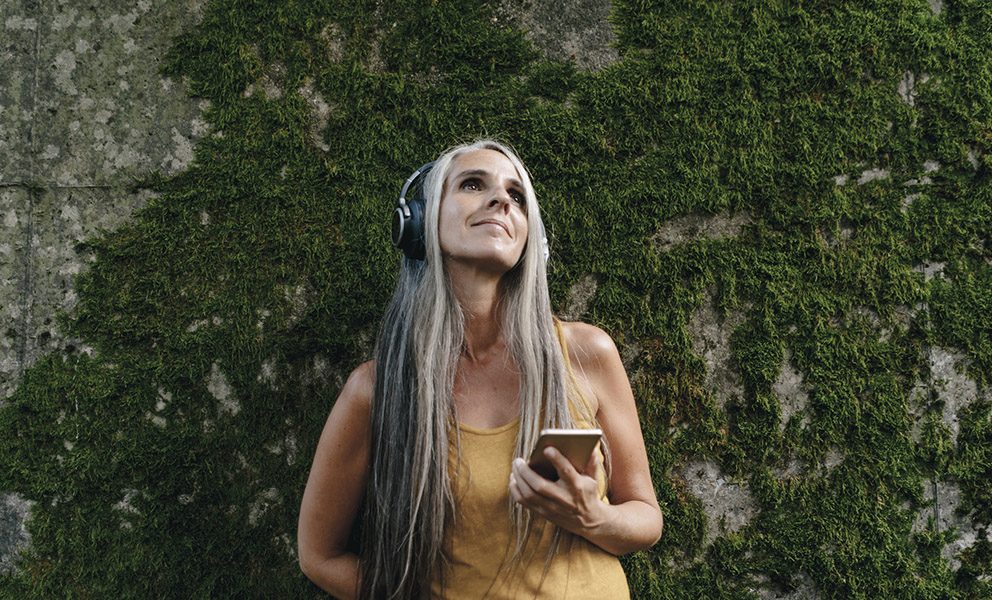
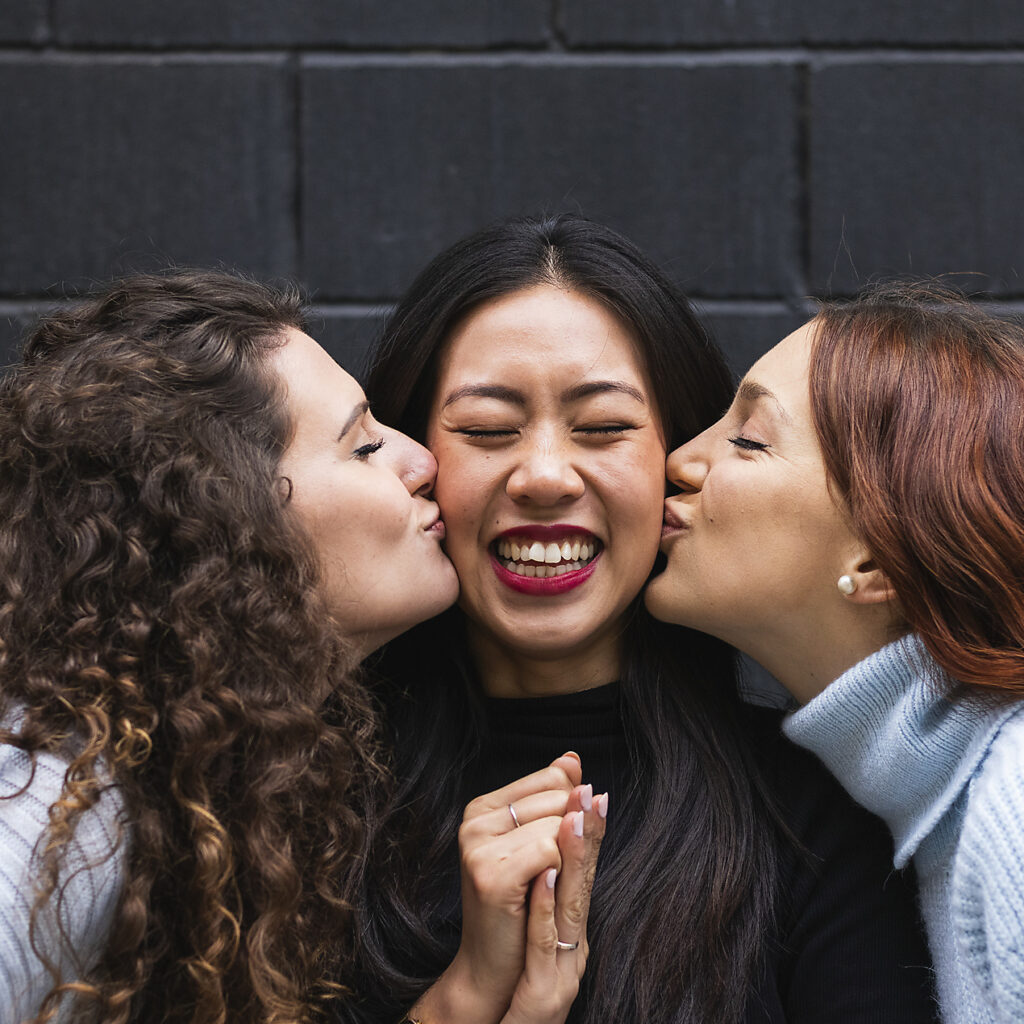
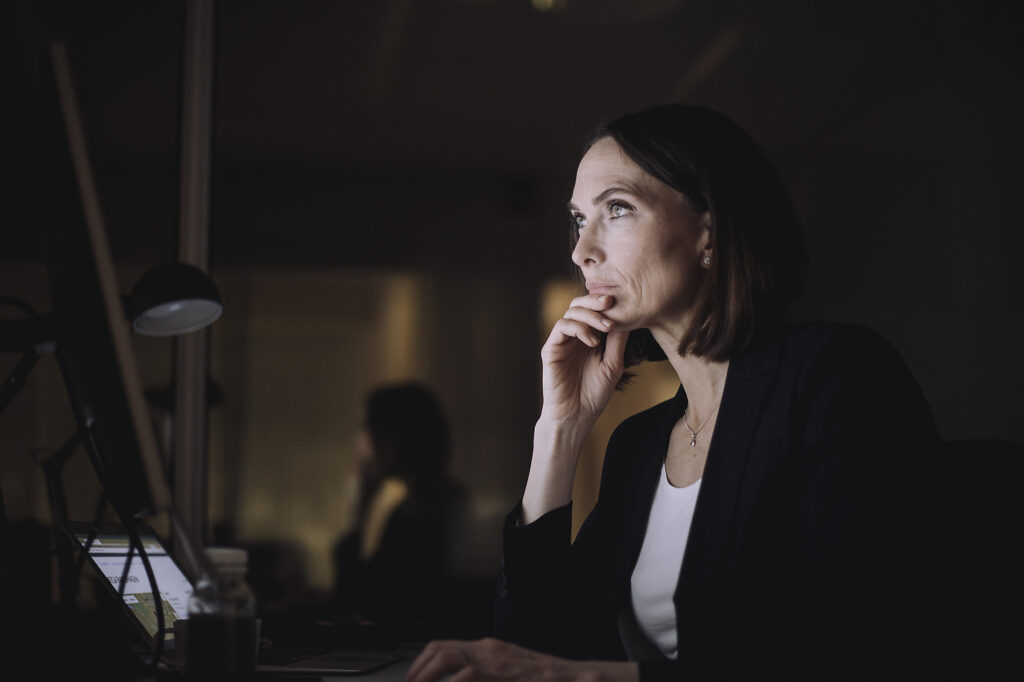
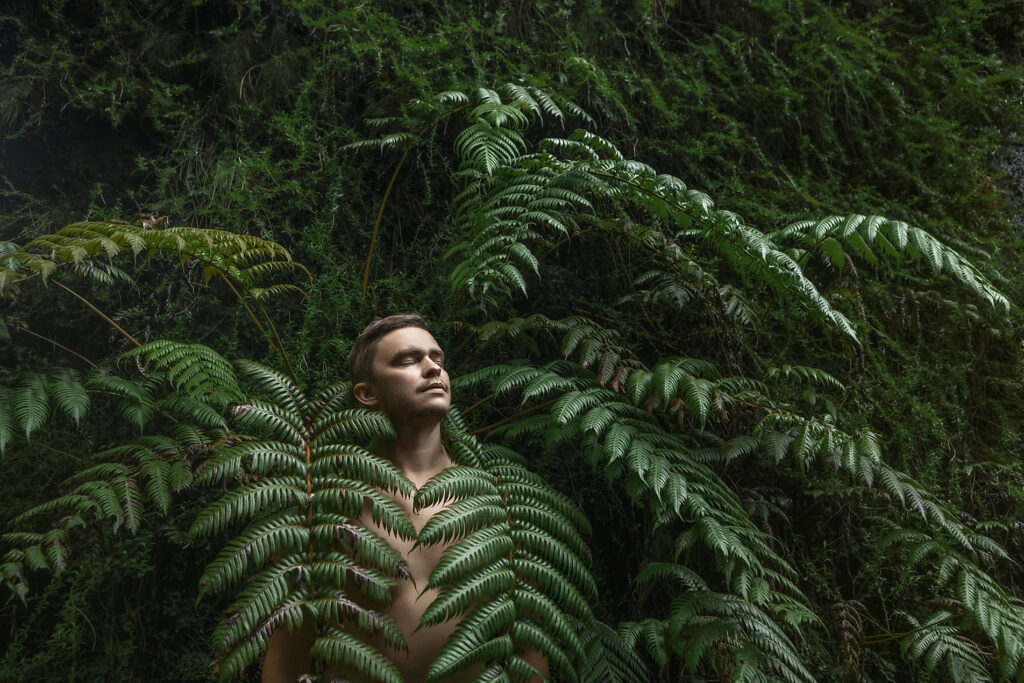
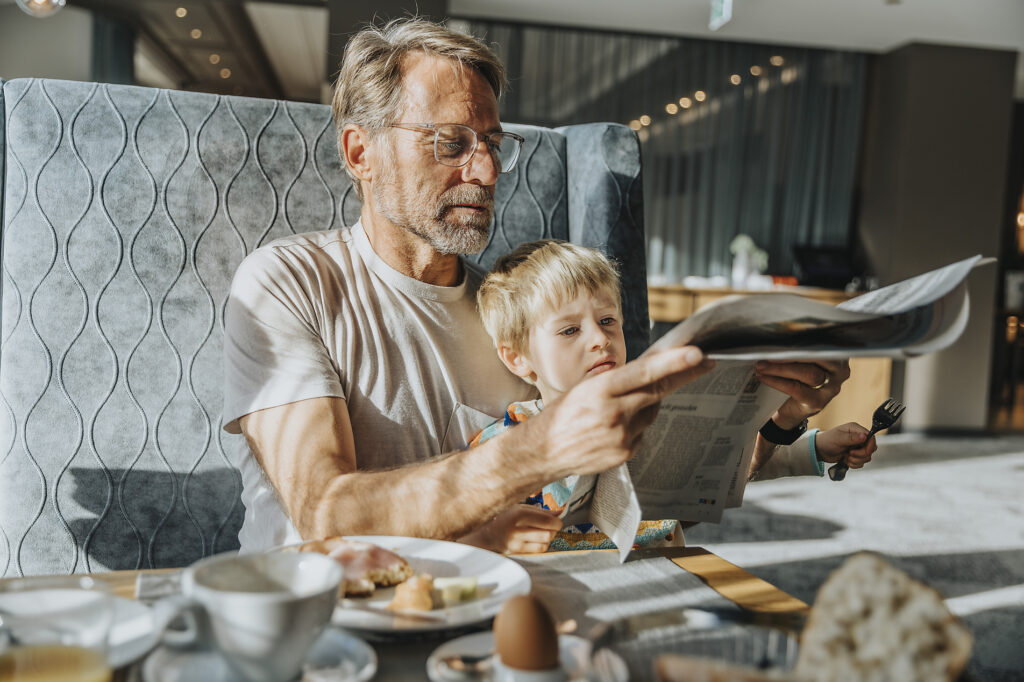
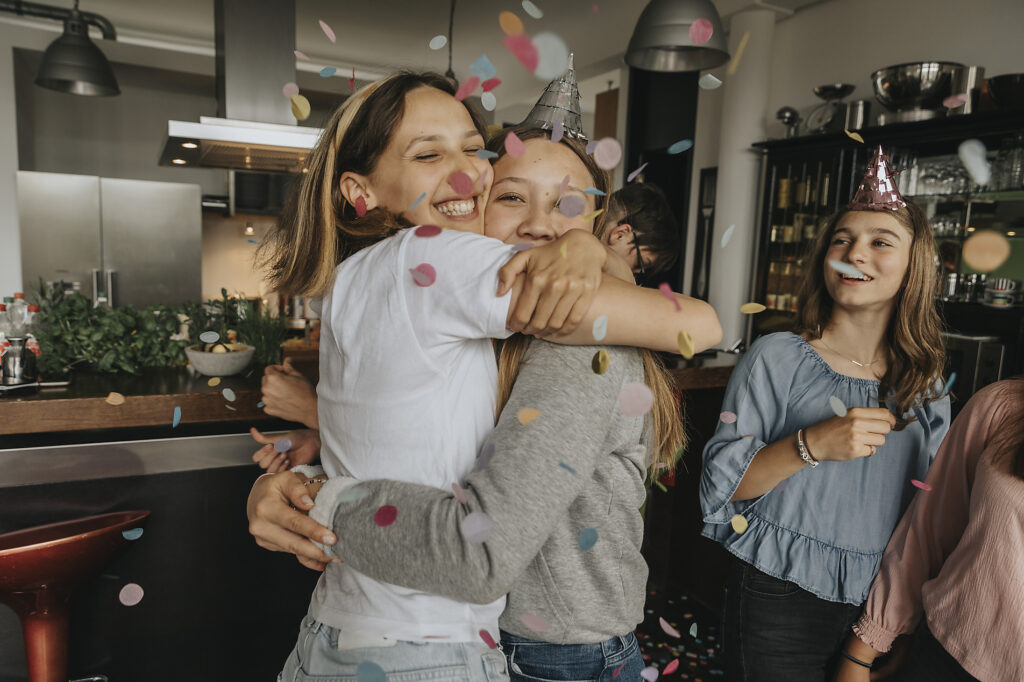
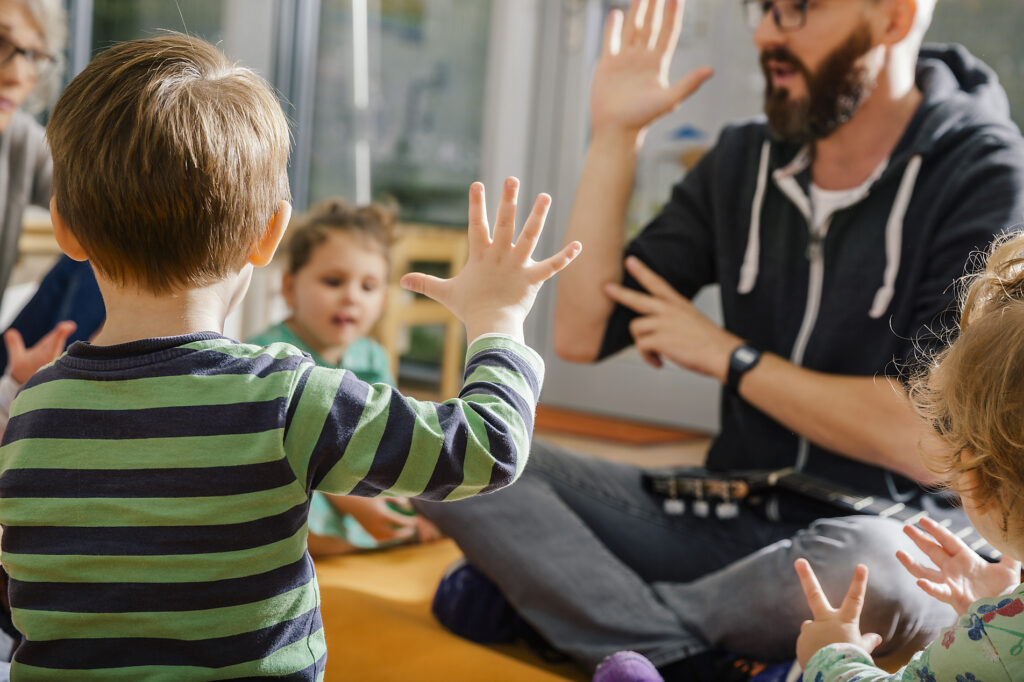
Fresh, uncontrived, authentic, straight from the heart of life: these are the attributes that come to mind when looking at Mareen’s images. It doesn’t matter whether the client is a medical technology company, a bank, an insurance firm, a hotel, or a medium-sized business. With these qualities, Mareen’s images fit perfectly into Westend61’s portfolio. Because we’re looking for photos with that certain something: unique rather than interchangeable, emotional rather than stereotypical, authentic rather than contrived, real people rather than AI-generated masks—simply likable and therefore interesting.
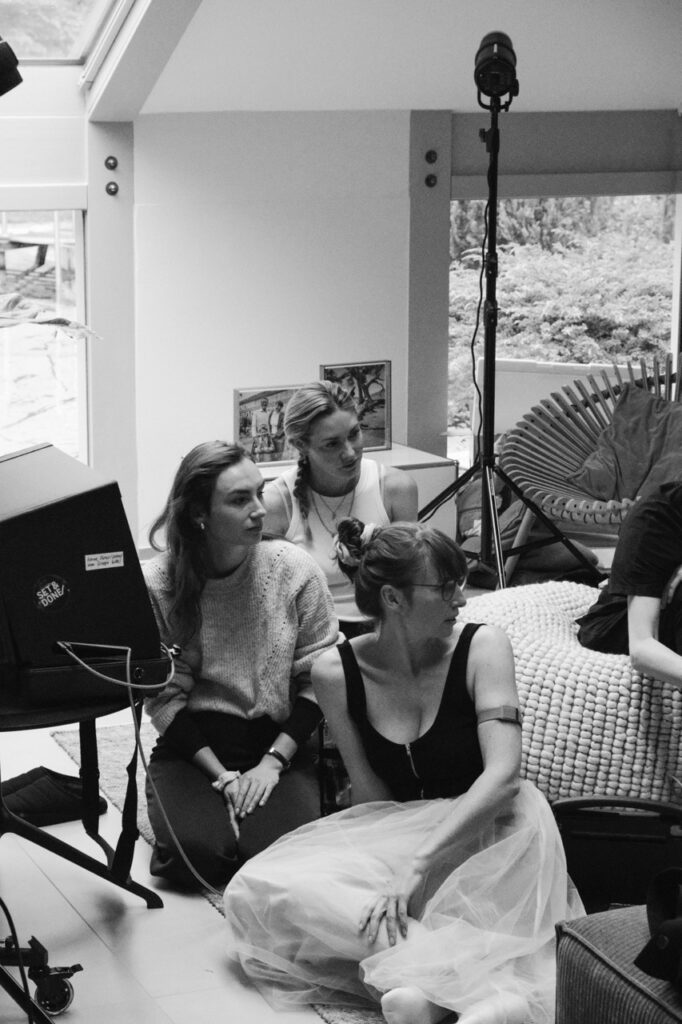
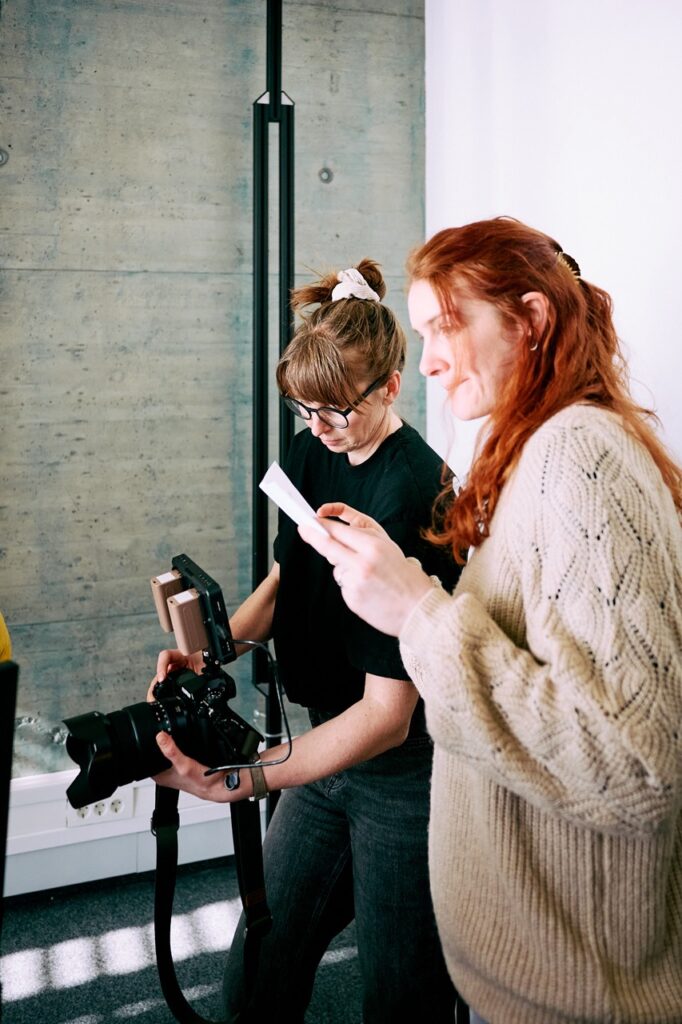
“A photo shoot has to be like a party”
This requires not only solid photographic skills but also human empathy—both in terms of the clients’ goals and needs, and in dealing with the models. “A photo shoot has to be like a party,” says Mareen, adding, “The photo should look the way it does so that my clients feel like they’re part of the scene being depicted.”
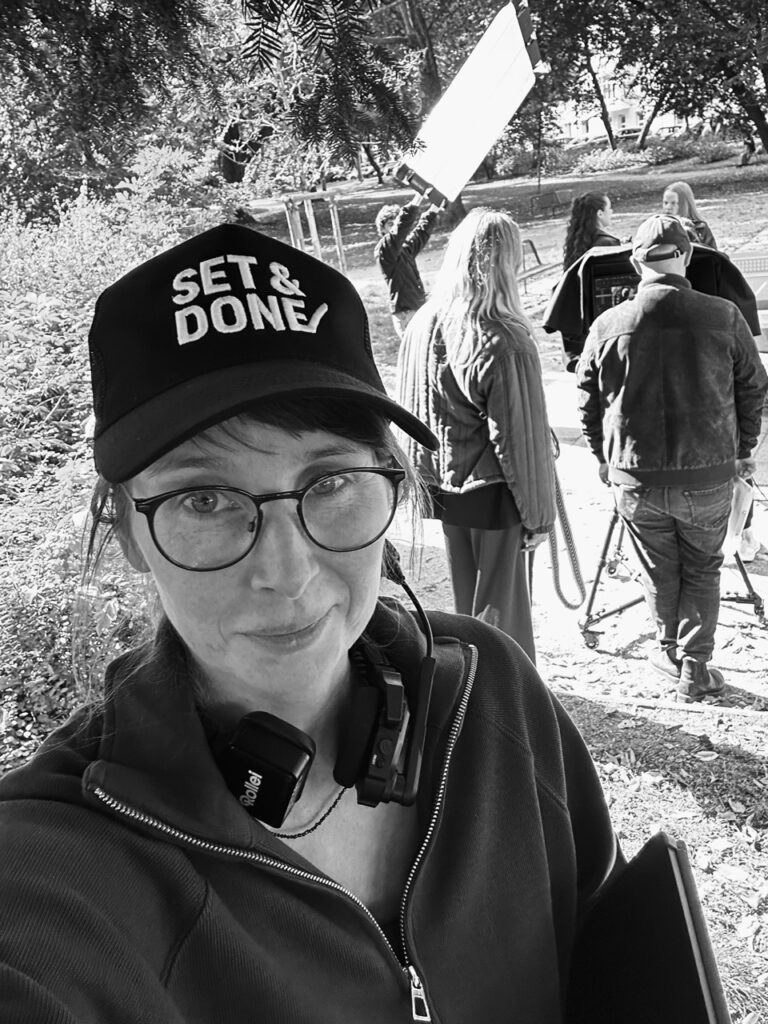
© Left, Center, Right: private
Mareen’s love of photography was, so to speak, instilled in her from birth. This was largely thanks to her father, who was still shooting analog back then and who guided and encouraged her. “Back at my parents’ house, it was still the real deal—with a darkroom and a red lamp,” she recalls. As a result, she already had a solid foundation in photography when she arrived in 2000 at the age of 16 as an exchange student at a high school in Dallas, Texas. The photography class she was taking there, among other courses, was on the verge of being canceled when the teacher fell ill. Without hesitation, Mareen stepped in to fill in for him so the class could be completed. “That was also exciting because it was still in the early days of digital cameras,” she recalls.
A good photo requires more than just a good camera and technical know-how. Creative intuition and an aesthetic sensibility are just as important. Mareen’s studies in communication design in Düsseldorf sharpened her eye for these aspects of the photography business. Working at an advertising agency helped her view a photography project not only through the camera’s viewfinder but also through the client’s perspective, in order to develop the best possible visual message for a specific target audience.
Stolen images don’t work as a brand message
Credibility and authenticity are crucial here. Sometimes it’s the deliberate inclusion of small, imperfect elements that make a subject—especially a person—unmistakable and convey authenticity. “That’s why I now retouch less than I used to—even with beauty photos,” explains Mareen. This trend isn’t entirely new, but it has intensified with the ever-growing flood of AI-generated images: This allows her to stand out positively from the sanitized uniformity that AI images often exude.
The AI hype poses a major challenge for the photography industry. But it also offers opportunities, and Mareen has integrated AI elements into her creative concept: She sometimes combines AI-generated image components with real locations, objects, and people. “And for that, I also hire real models who get paid for their work,” she explains. A key difference from pure AI: Mareen “feeds” the system only with images from her own portfolio, elements provided by the client, and AI twins of real models; this means that the essential creative work in the final result comes from her and wasn’t simply scooped up from somewhere on the internet. She calls this concept “synthography,” or “synthetic photography,” and classifies it more as photo design.
© Left, Center, Right: Westend61 / Mareen Fischinger
Mareen also uses AI when brainstorming new shoot ideas, “but at most as a tool before taking the first shot, so I don’t forget anything.” Nevertheless, she, too, is critical of the proliferation of artificially generated images. “I believe that most clients don’t necessarily want a stolen image for their brand message,” she says with conviction. Not to mention the environmental aspects: “AI requires massive data centers with enormous energy consumption—especially until you achieve the desired result. That’s certainly not sustainable.”
And it’s often not really affordable either: Mareen’s experience shows that customers often cut corners in the wrong place when they initially opt for a supposedly cheaper AI-generated image—only to find that the desired advertising impact fails to materialize due to a lack of authenticity. The result: a regretful return to genuine, professional, high-quality, human-made photography—whose quality simply comes at a price. “I hope clients understand that good photography doesn’t get any cheaper,” says Mareen.
“Here, I’m not just a number”
Exchanging ideas with colleagues is important to Mareen. That’s why she serves on the board of the BFF—Berufverband Freie Fotografen und Filmgestalter e.V. (Professional Association of Freelance Photographers and Filmmakers). It goes without saying that AI is a major topic there as well. “We want to establish a group there that defines the possibilities—but above all, the limits—of AI in photography,” she announces. The central question is, “How much AI is still acceptable?” For Mareen, the answer is clear: “A pure prompt-based generator is definitely out of the question, because it no longer involves any original creative input.”
We at Westend61 see it exactly the same way. In our diverse photography community, Mareen Fischinger has become a longtime companion and valued partner who has been with us since our early years. And it’s safe to say that this appreciation is mutual. Before Mareen joined our team in her early twenties, she had gained experience working for a major U.S. stock photography provider, among other places. There, she experienced the rapid decline in prices and the often impersonal work atmosphere typical of a huge corporation.
It is precisely against the backdrop of such experiences that Mareen appreciates the work environment at Westend61: “I have dedicated points of contact here. I have my own art director and can count on being able to get in direct contact with the person who processes my submissions. I receive feedback, appreciation, and inspiration for my work—here, I’m not just a number.”
The homepage of Mareen: www.mareenfischinger.com
The photos of Mareen at Westend61: click here