AI Images vs. Real Stock Photography: When Generated Images Can Cast Your Brand in a Bad Light
At a glance: Perfect, flawless AI images generated by image generators are becoming less and less effective with consumers. The phenomenon of “AI fatigue” refers to a growing weariness among viewers toward synthetic visual content. Advertising campaigns that rely on purely artificial images without verification thus risk measurable losses in brand trust. Here, we analyze the psychological underpinnings of this loss of trust and demonstrate why real photography is and remains the foundation for credible brand communication.




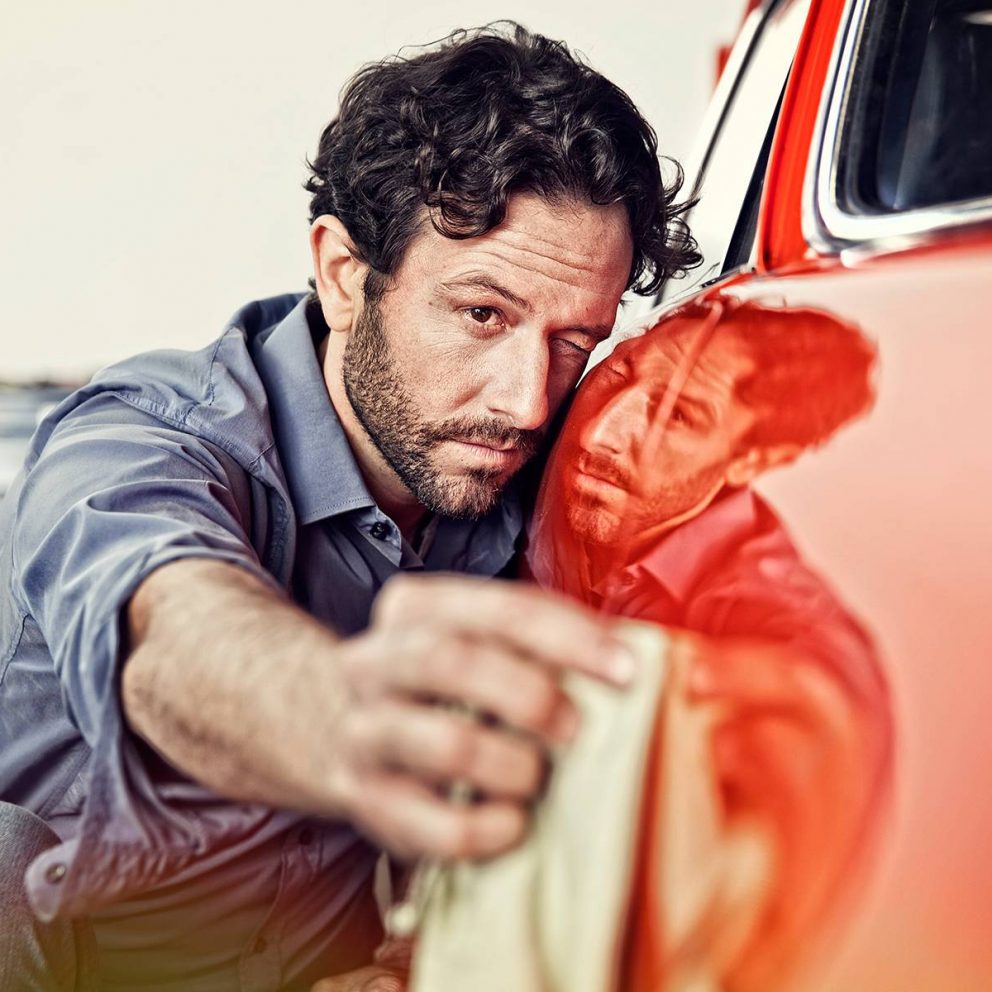
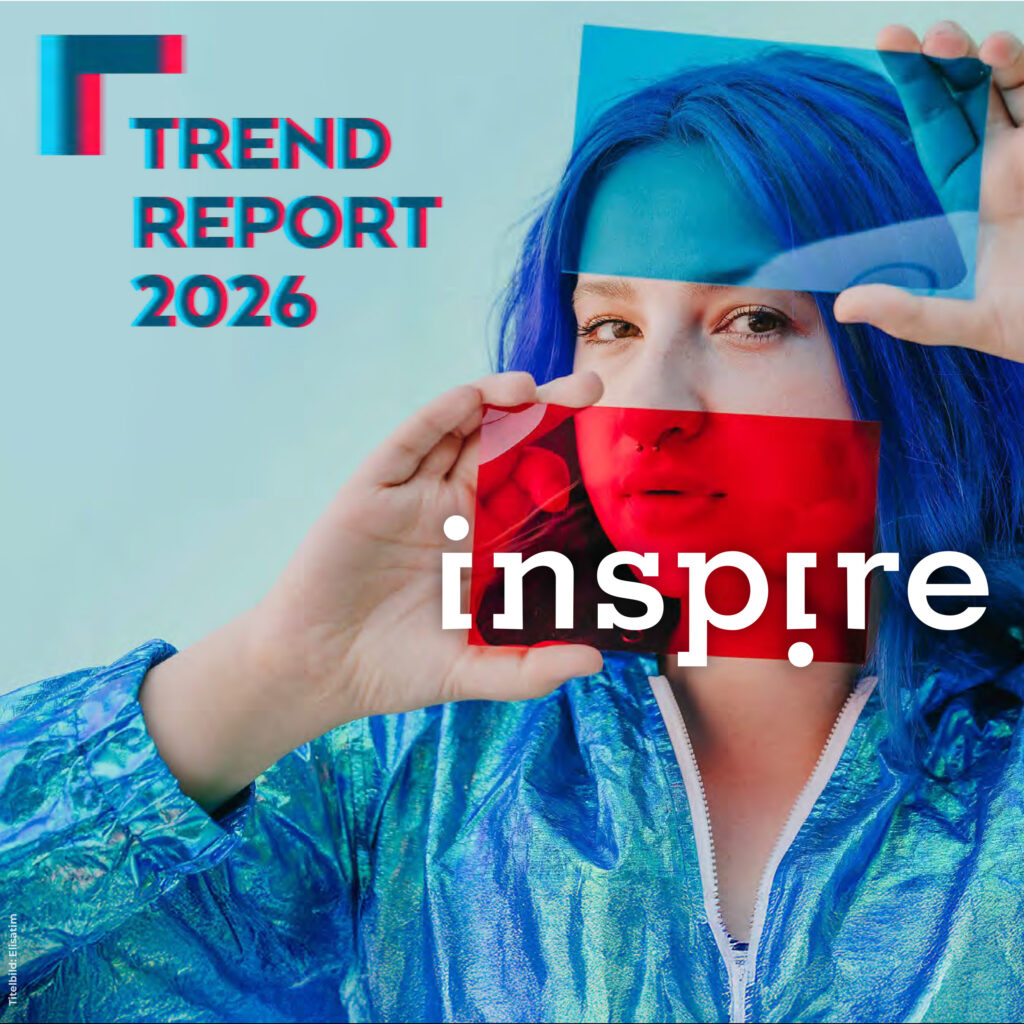
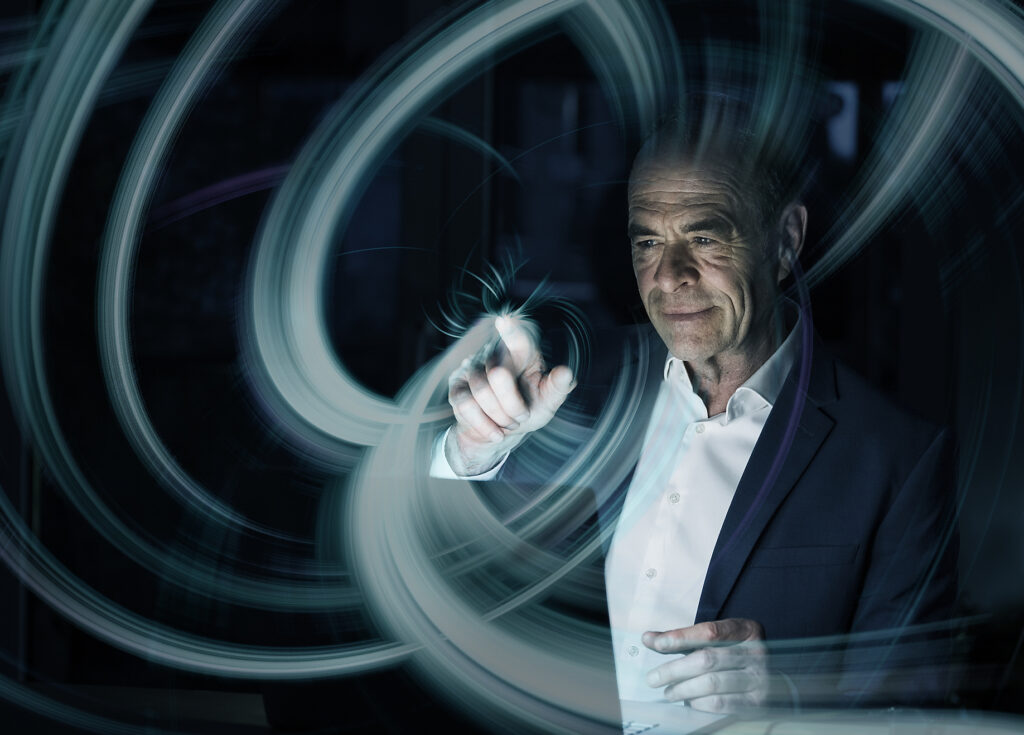
Top left: Google Nano Banana , top right: © Westend61 / Joseffson
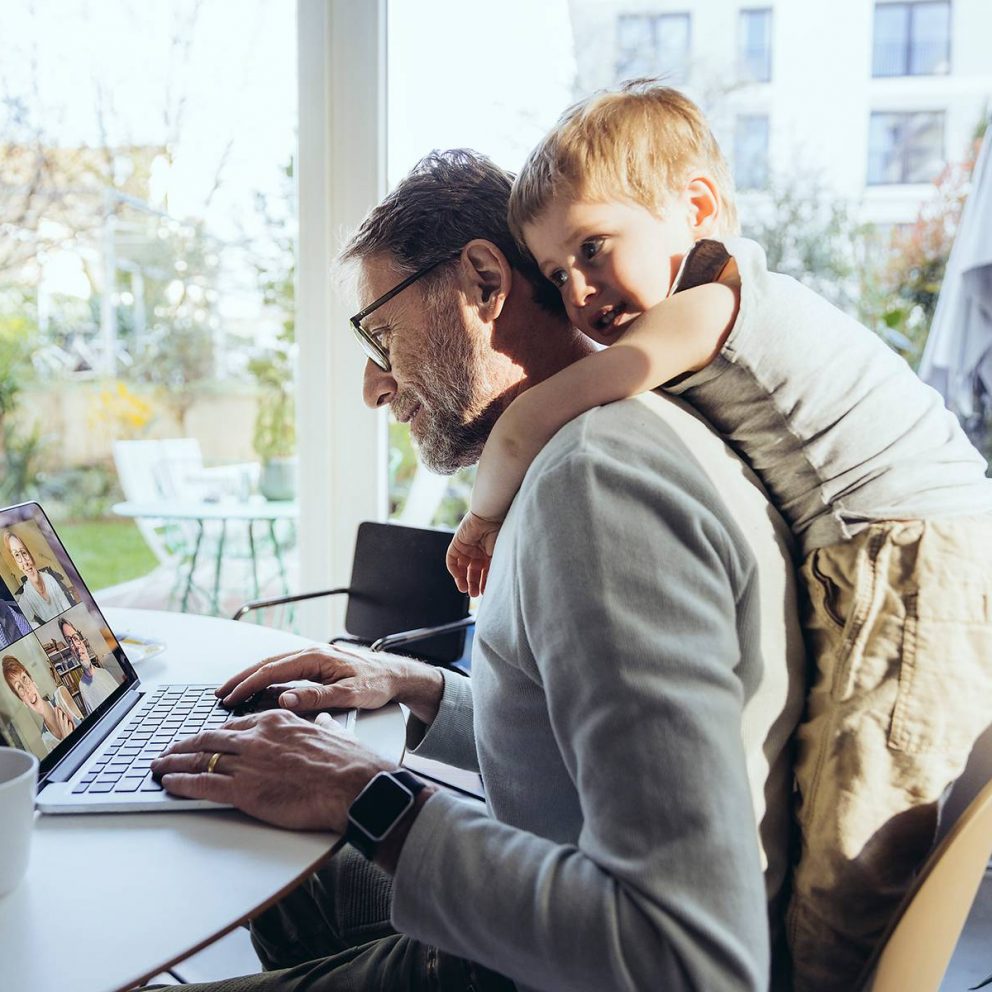
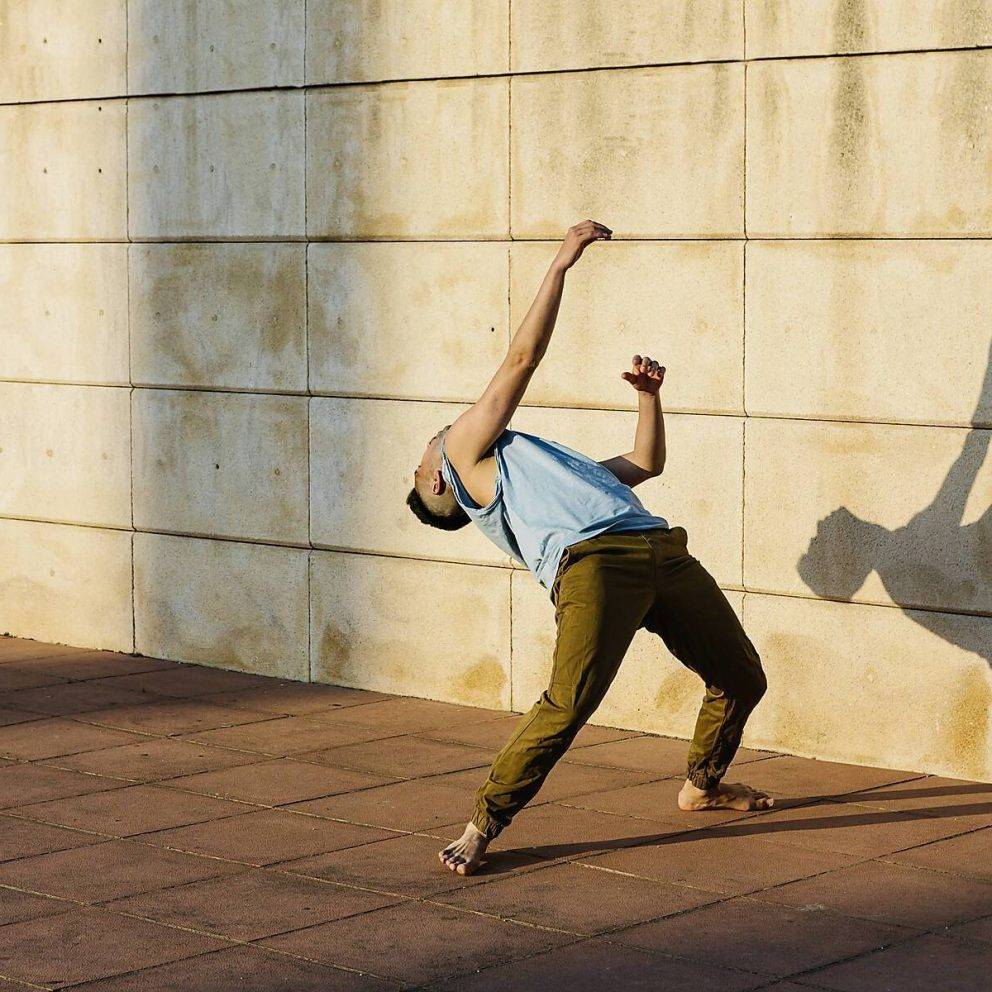
Bottom left: Google Nano Banana , bottom right: © Westend61 / Peter Scholl
AI Fatigue: Too Much Sterile Perfection Causes Brand Messages to Fall Flat
Visual overload has long been part of everyday life in digital marketing, but the quality of these stimuli has changed. Generative systems are flooding channels with synthetic imagery that, at first glance, captivates with its extreme flawlessness. Yet it is precisely this flawless, sterile-seeming aesthetic that is increasingly triggering a noticeable defensive reaction among the target audience. As the flood of AI-generated images swells, consumers are developing a subtle, often unconscious sense for artificial structures. The result: Image worlds that are too “smooth” and artificial tend to create distance rather than closeness. Companies that rely on AI images in their communications are damaging their visual identity.
When we look at the images of a campaign, our eyes scan the environment in the image for patterns. AI images often exhibit subtle inconsistencies in lighting or unnatural proportions in people. Even if we cannot immediately grasp the source of such discrepancies rationally, skepticism arises—the feeling that something is off here. Especially in Europe, where consumers traditionally place a high value on transparency and reliability, this impression leads to a loss of credibility: The brand message falls flat because its visual representation is perceived as an artificial construct.


Left: Google Nano Banana , right: © Westend61 / Joseffson
Why computer-generated images of people damage brand trust
Consumers react particularly sensitively to AI-generated depictions of people. Recent studies on consumer perception in e-commerce and marketing show that acceptance of artificial images drops drastically as soon as they depict human emotions or product applications. While purely decorative backgrounds or abstract patterns based on AI are still somewhat tolerated, trust is lost at the latest when AI depicts supposed employees or customers—they simply lack that certain fundamental human quality.
Human relationships are based on trust, empathy, and emotional connection—in other words, human-to-human feelings. Only a real person can evoke emotions. A generated, artificial smile, on the other hand, does not express any real human emotion but was “designed” based on mathematical probabilities. This definitely harms employer branding and customer acquisition campaigns.
Those who cut corners on the budget for real stock photography and instead rely on purely synthetic faces unintentionally signal a lack of effort and sincerity to the target audience. In contrast, the genuine, human element becomes a rare mark of quality and trust. This is all the more true in an increasingly AI-driven environment with all its impersonal interchangeability. You can find more information on Westend61’s stance on AI images in our AI Manifesto.
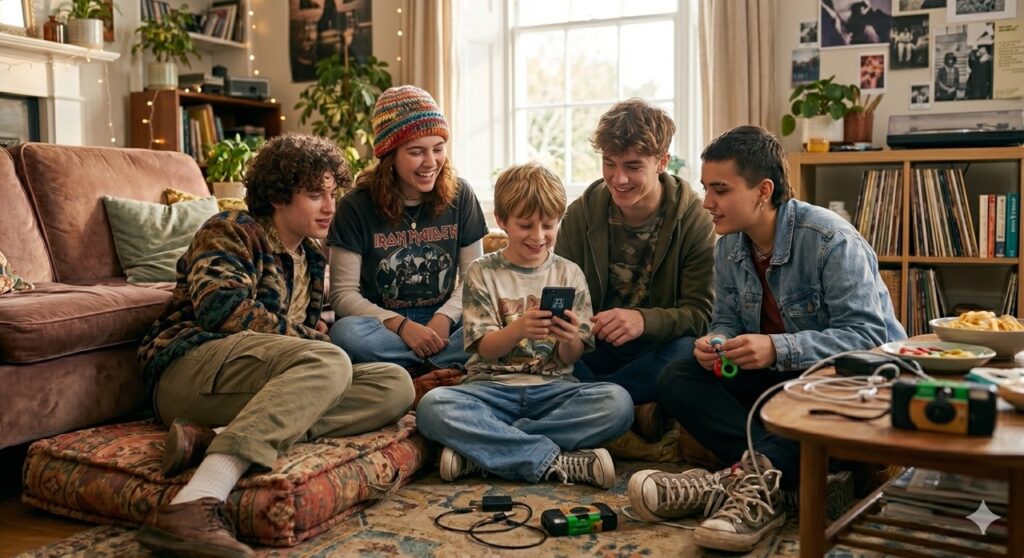
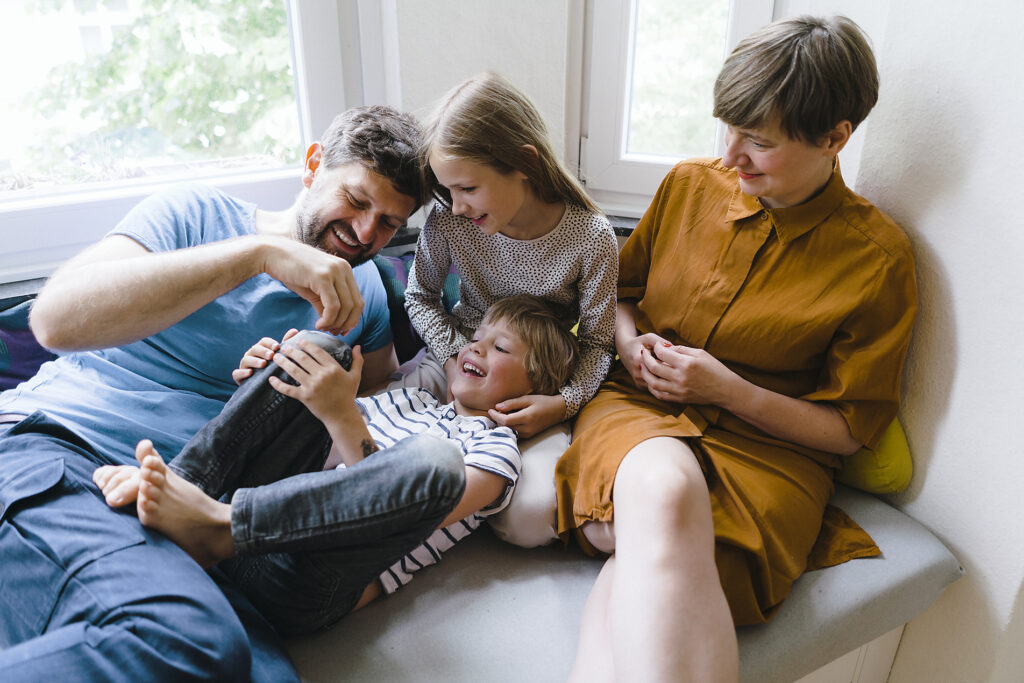
Left: Google Nano Banana , right: © Westend61 / Joseffson
Why successful brand communication only works with real images
For art directors and brand managers, selecting content for successful visual communication is all about predictable reliability and measurable results. Genuine stock photos provide a reliable anchor for the visual message in reality—an important factor that artificial systems are structurally unable to replicate. Even with a well-thought-out concept, a professional photo thrives on the depiction of a unique, special moment and authentic lighting. This also includes small, all-too-human, and therefore endearing imperfections—even if they are deliberately staged. These details act as subconscious trust markers that signal to the viewer that the situation shown could actually have taken place—this is how credibility is created!
Westend61 offers tangible advantages for this in daily practice:
- Visual consistency: Real photo productions allow for harmonious integration into existing brand guidelines, as natural light and real spaces blend organically into layouts.
- Legal certainty: Unlike many synthetic image sources, whose data often falls into legal gray areas, Westend61 offers comprehensive model and property releases for commercial use.
- Time savings through curation: Instead of testing countless prompts and manually correcting flawed details, creatives can find exactly the images they need for their projects in carefully vetted collections.
Specialized collections such as VISTA or TrueShot from Westend61 address this very issue. Using authentic visual language, they accurately depict the reality of European life rather than relying on sterile, global clichés. They solve the design problem of interchangeability by focusing on real people, real architecture, and relatable everyday scenes.
Conclusion
The careless use of artificial images in marketing carries the risk of weakening or even losing the trust of the target audience—trust that has been built up over years—in a short period of time. This is because consumers increasingly expect visible authenticity and are reacting to the visual monotony of AI-generated images with growing rejection.
For brand decision-makers, investing in genuine, creative, and technically precise photography is therefore the surest way to create emotional connection, convey the brand message credibly, and avoid visual inconsistencies in communication. A truly modern European visual language thrives on reality, not perfection.
Are you planning a new campaign and looking for images that truly resonate with your target audience and strengthen trust in your brand? Then let’s work together to figure out how you can use real photography to make a statement for your brand!