Future Cyberspace: Life will be even more digital
The digital revolution offers development opportunities that are far from exhausted. Futurologist Peter Diamandis even believes that we will see more technological progress in the next few years than in the past 100 years. Digitalization is increasingly making its way into vital areas such as the healthcare, energy, and transportation sectors. Global digital connectivity is one of the most impactful trends of our time, and it’s interesting to imagine where this journey might yet go.
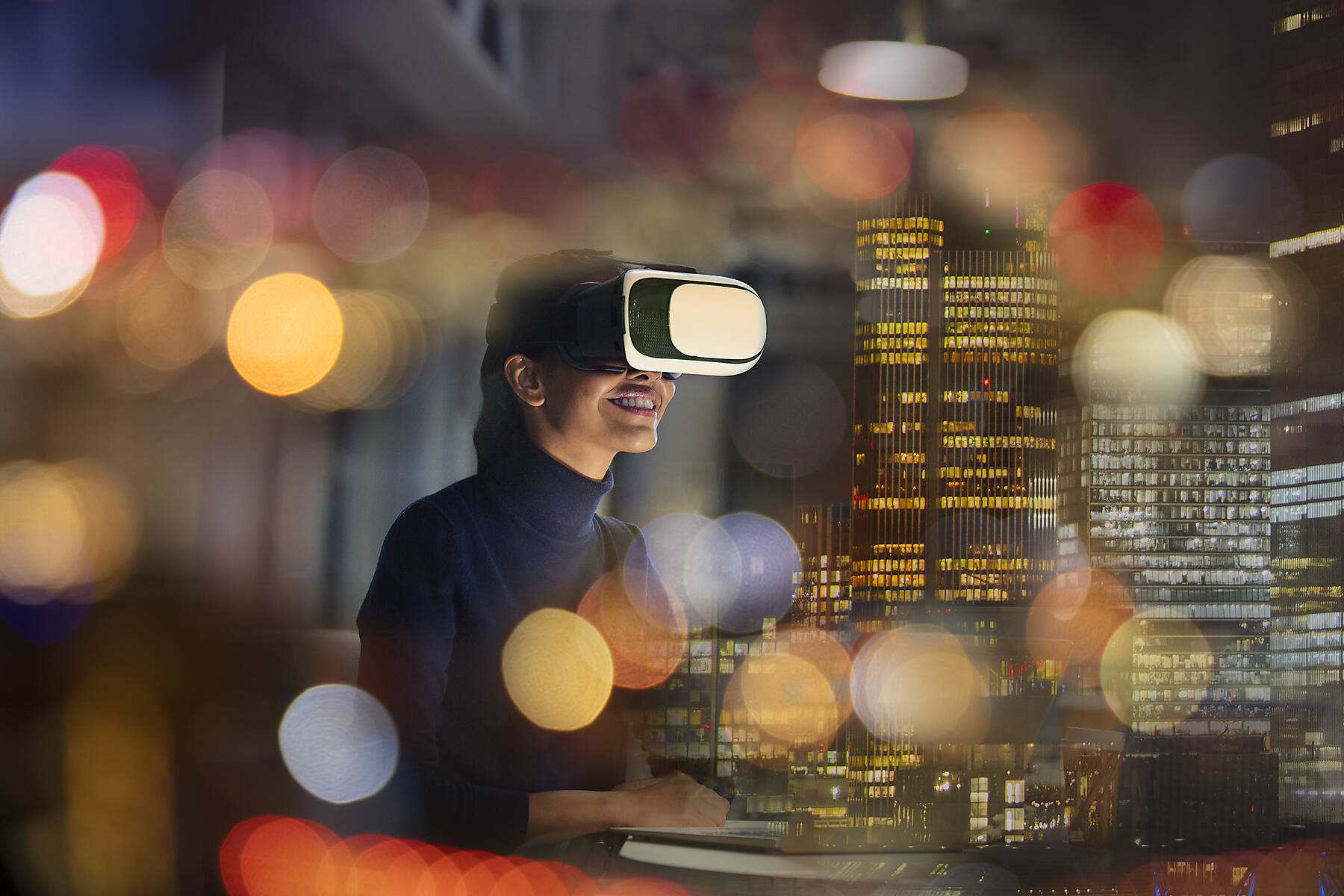
The pace at which digital technologies are establishing themselves in our everyday lives increased once again with the requirements of the Covid-19 pandemic. At the same time, this development strengthened acceptance of the virtual world, such as in the widespread use of home-office solutions. Without the lockdown’s distance requirements, this development would hardly have occurred at this pace. But, of course, the pandemic was also a test for virtual technologies in medical services.
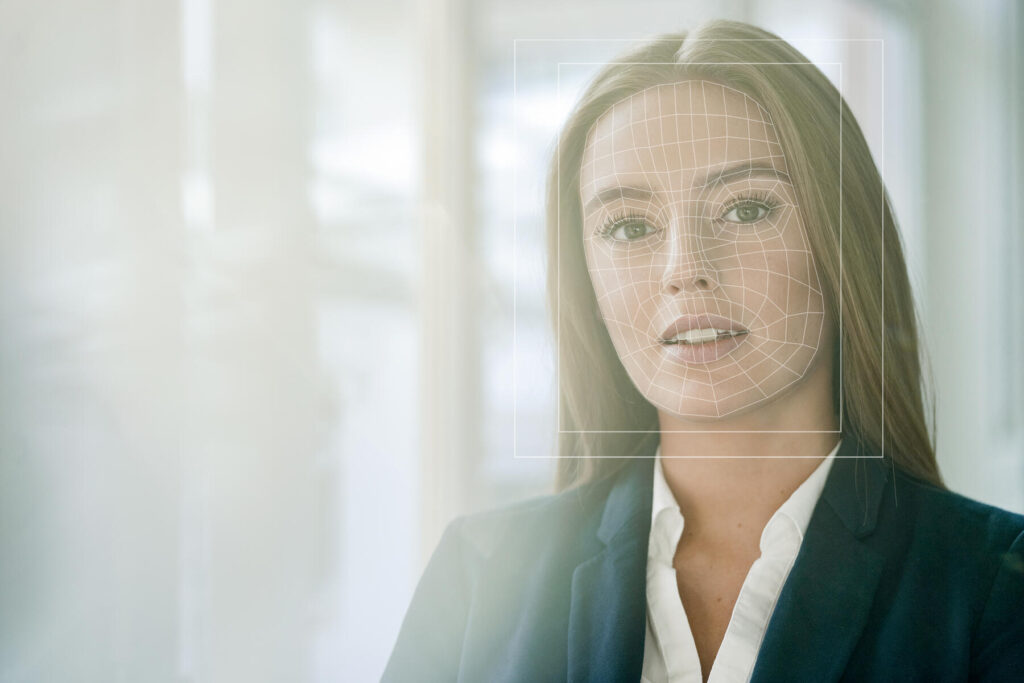
This is how virtual our reality becomes!
New applications for virtual networking
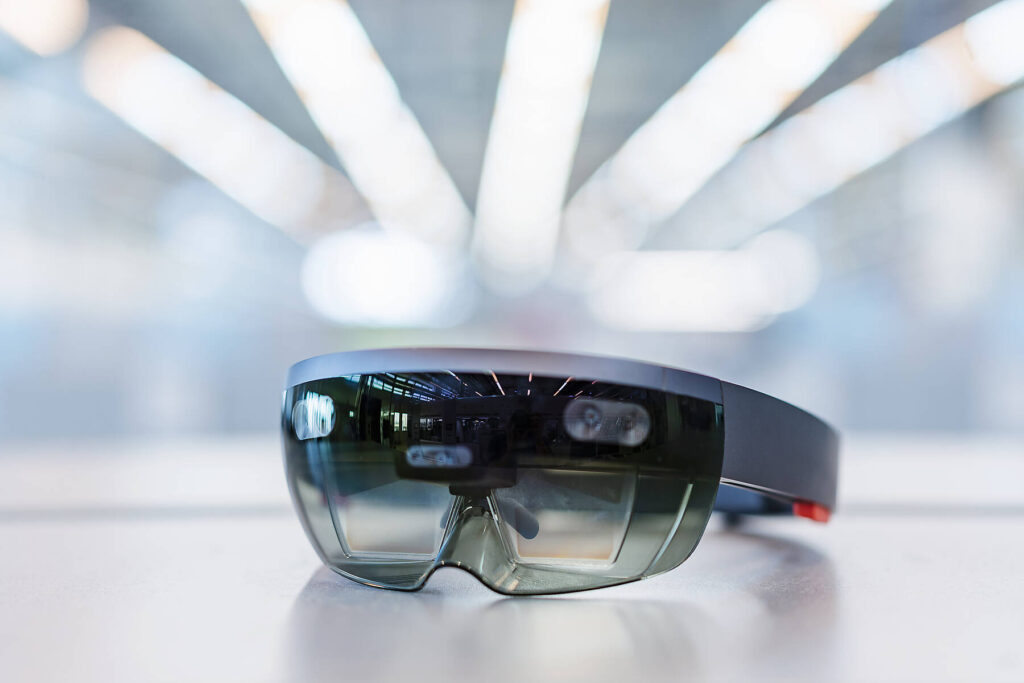
Thanks to the availability of mobile devices, the dynamics of global virtual networking have greatly accelerated. Smartphones, headsets, computer watches, and virtual reality glasses are enjoying increasing demand, but new applications are also emerging around these wearables, enabling people to connect globally. The use of artificial intelligence in companies is only just beginning, and the full range of potential uses cannot yet be gauged. New applications can take over repetitive work processes, freeing up skilled workers for other, more demanding activities—an important aspect in times of an increasing shortage of skilled workers.



As much as some of these aspects deserve critical appraisal, it is a given that the virtual world of the future not only holds great economic potential, but can also make life more pleasant. However, an essential technical prerequisite for this is a high-performance digital infrastructure available everywhere. In this respect, Germany still has a lot of catching up to do, especially with regard to the effective use of the Internet by corporate networks with large data transfers. The foreseeable improvement in the availability of high-performance, high-speed Internet connections is an important location factor for company relocations. The expansion of the digital infrastructure is also an essential prerequisite for the economic revitalization of structurally weak regions.
Humans remain the determining factor
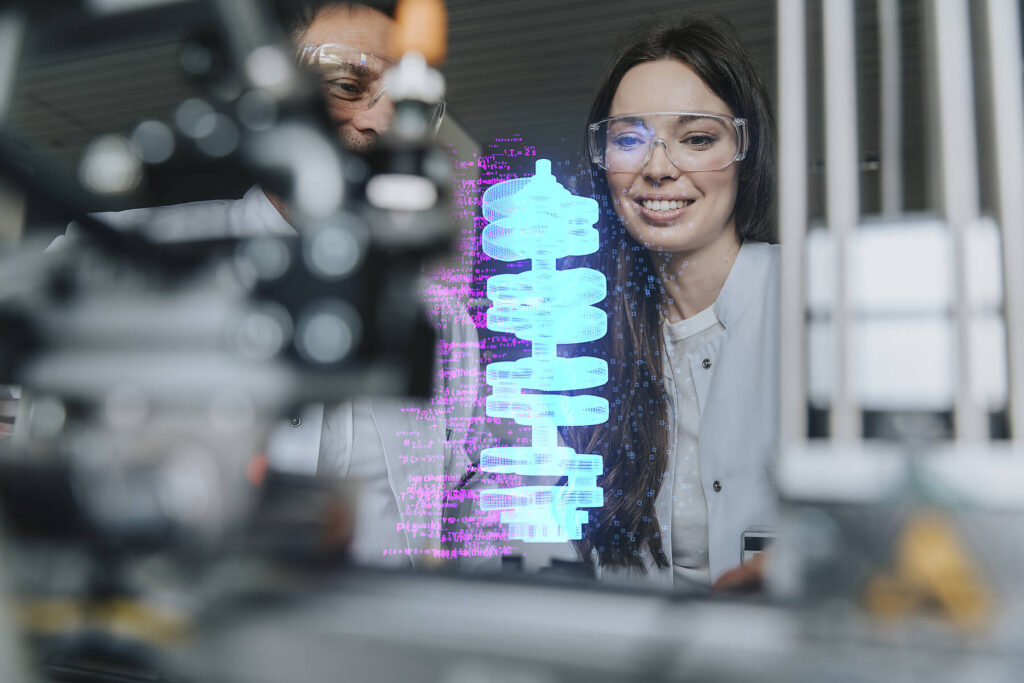
With all these possibilities, however, we must not lose sight of the fact that digital technology cannot become an end in itself. The focus must remain on the people who not only invented these technologies, but also those who bear the responsibility of using them sensibly and for the good of the community. Only by interacting with our imagination and creativity, our pioneering spirit, our feelings, and our judgment and moral stance will digital technology unleash its full positive potential.
The individual flesh-and-blood human being, acting in sometimes cold, austere, anonymous, and futuristic virtual spaces, is an exciting topic for visual communication. After all, we can get a better idea of “future cyberspace” with the help of strong photos. So take a look at the products showing photographic and design diversity on this topic. Our Pinboard “Future Cyberspace” shows you 117 visions of the virtual future.