Why “Body Positivity” is important in stock photography
The digital revolution has not only bright sides, but darker ones as well. The triumph of social media, for example, has not only made us better connected with each other, but has also promoted an exaggerated beauty cult. This physical perfectionism puts many people under intense pressure. For young women, in particular, this often leads to the obsession of conforming to an incredibly embellished body ideal. The consequences are frustration, dissatisfaction with their own bodies, and feelings of inferiority. This is an important topic for photographers since it is a question of which role models we want to present to the viewers of our images and how authentic our photos should be.

What is needed are credible role models
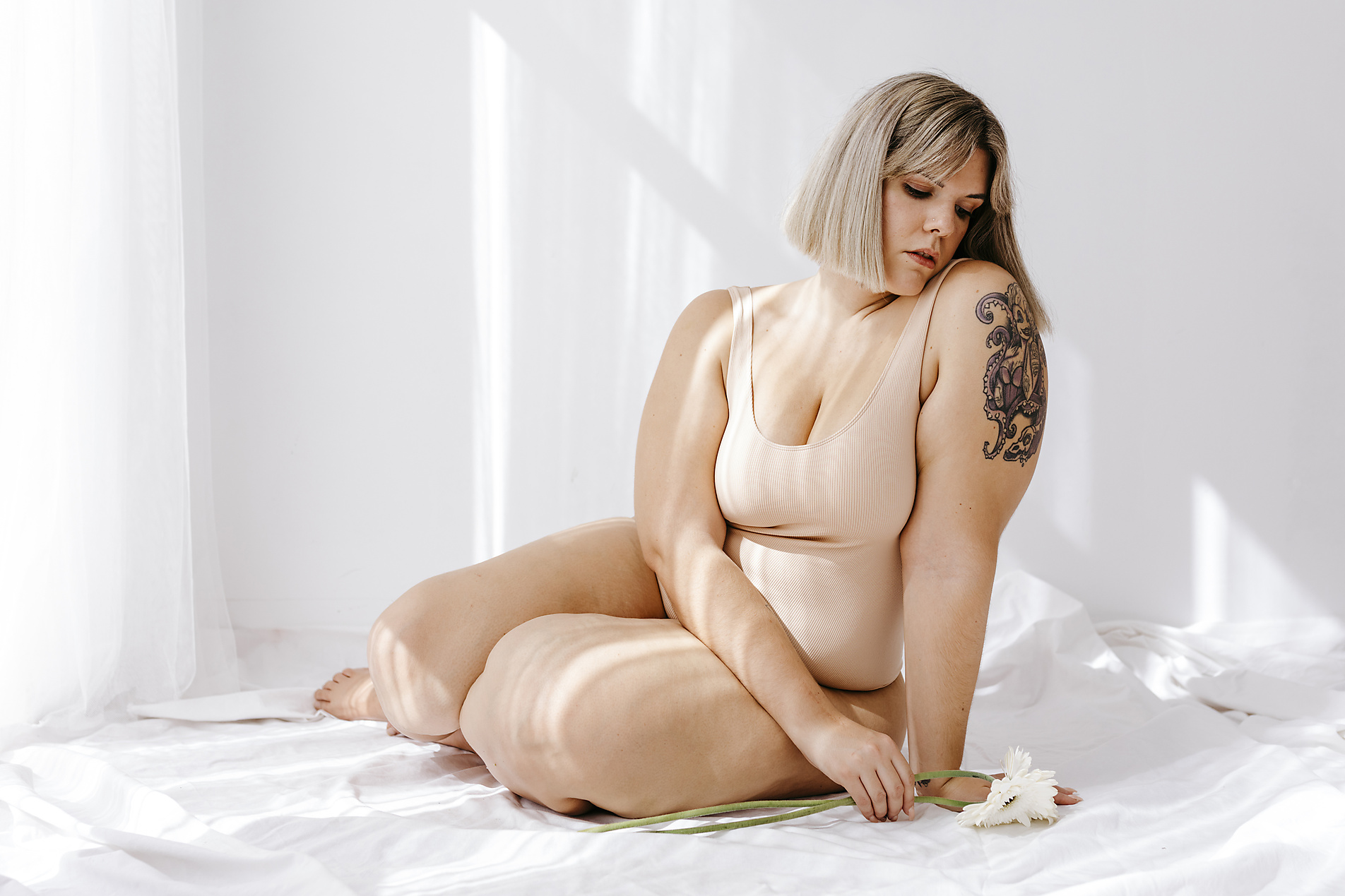
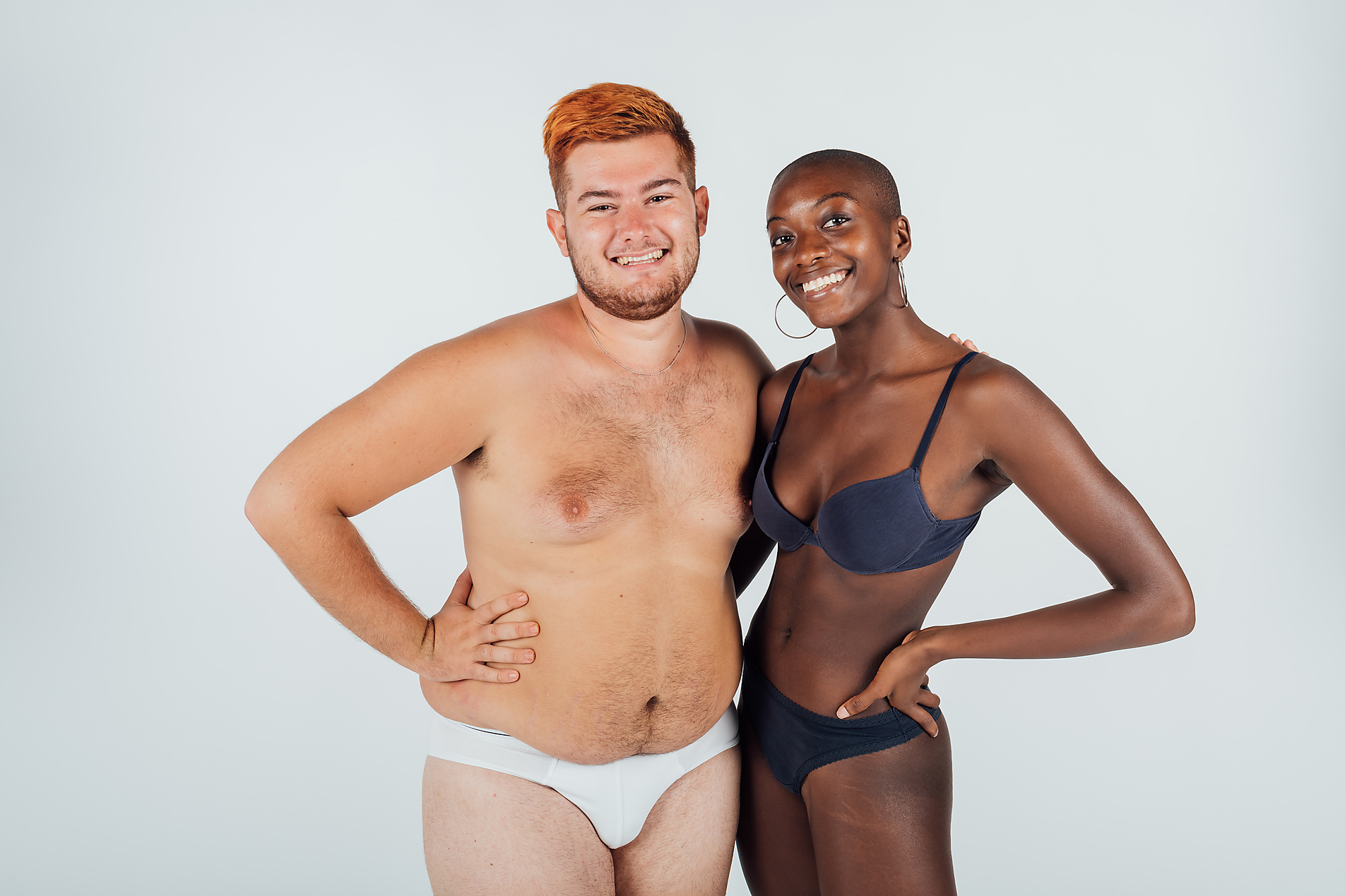
This question is all the more pressing as, for some years now, a countermovement to the exaggerated beauty hype that demands absolute flawlessness has been forming. The “body positivity” movement advocates abolishing unrealistic and discriminatory beauty ideals. Visual communication, especially in advertising, as well as stock photography must take this trend into account. Increasingly, there is a need for more credible role models rather than the radiant model with the perfect and ideal measurement, for people like you and me, whose differences in character as well as in body reflect the diversity of a modern and open society.
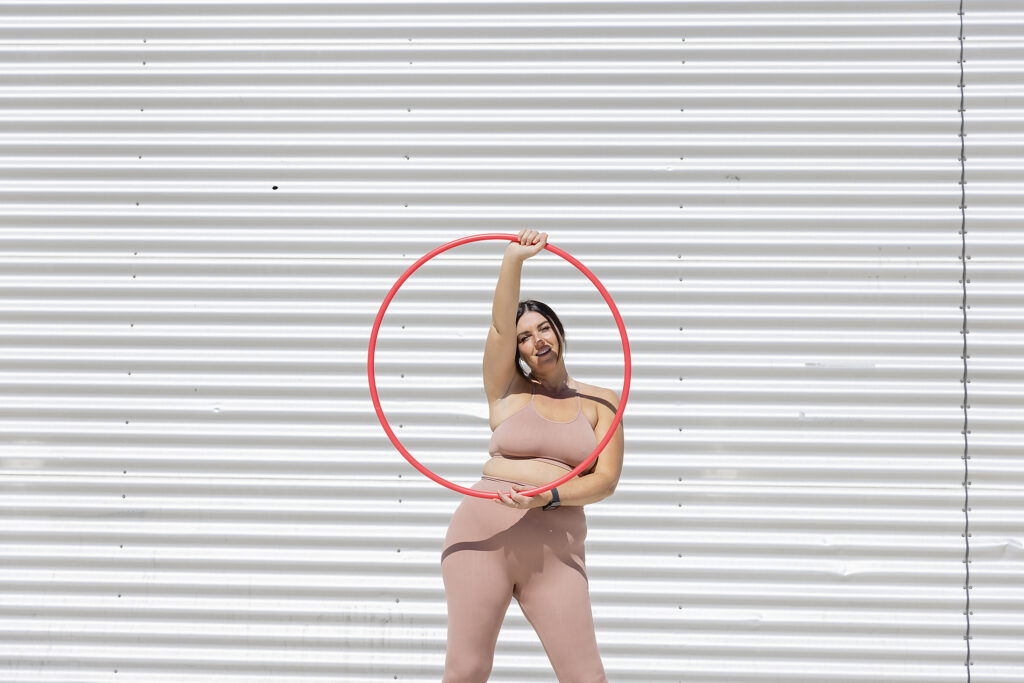
We are body positive! Find all images on the topic in our webshop.
The pressure to conform to, or at least come close to, a certain ideal of beauty is nothing new; just think of the breathtaking—literally—corsets that young women were forced to wear in the 19th century to make their waists appear thin as a rail. The rebellion against this form of paternalism and literal confinement was more than a rebellion against uncomfortable dress codes. Emerging feminism politicized the issue of imposed beauty ideals by linking it to the demand for female equality.

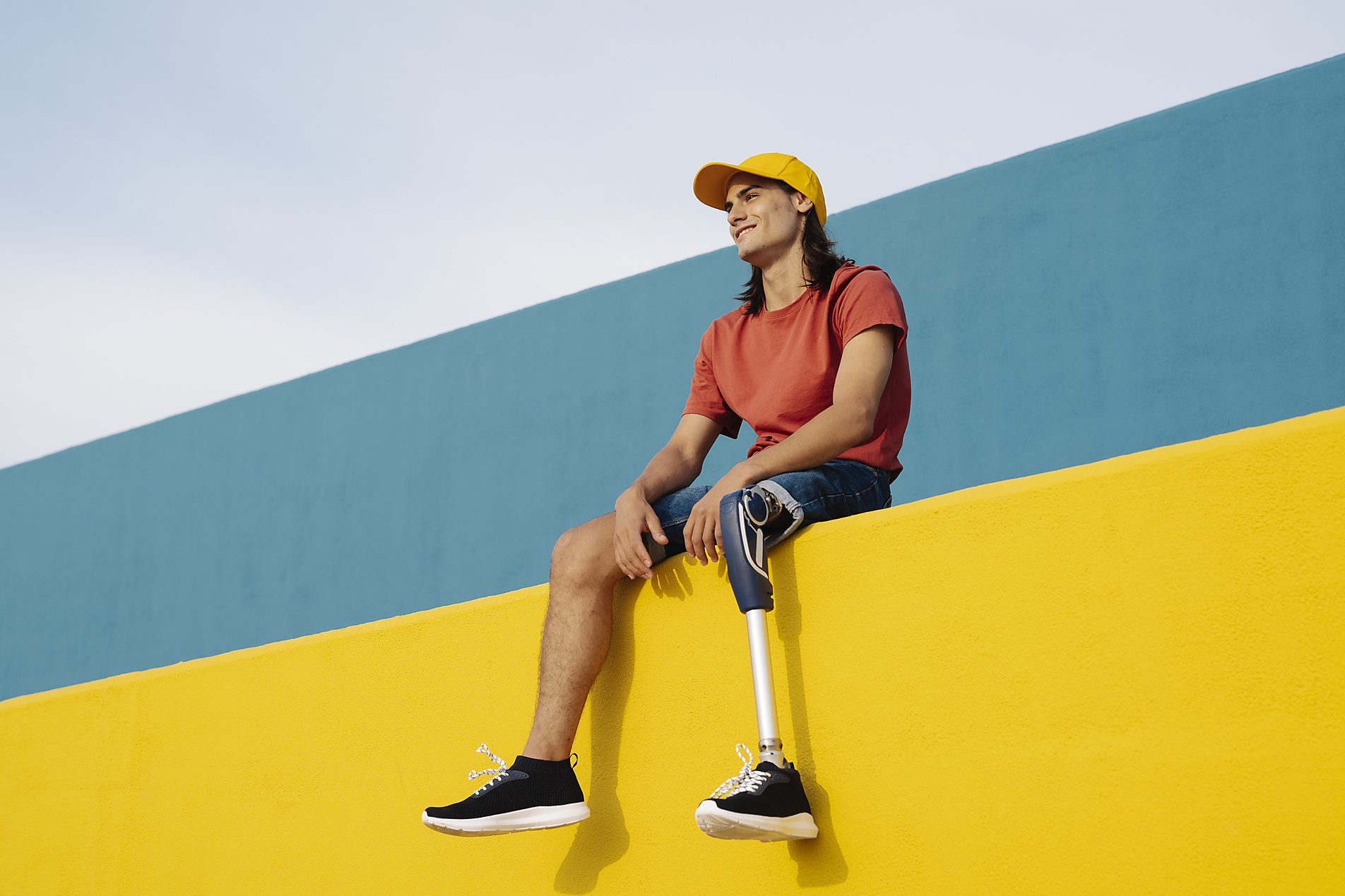
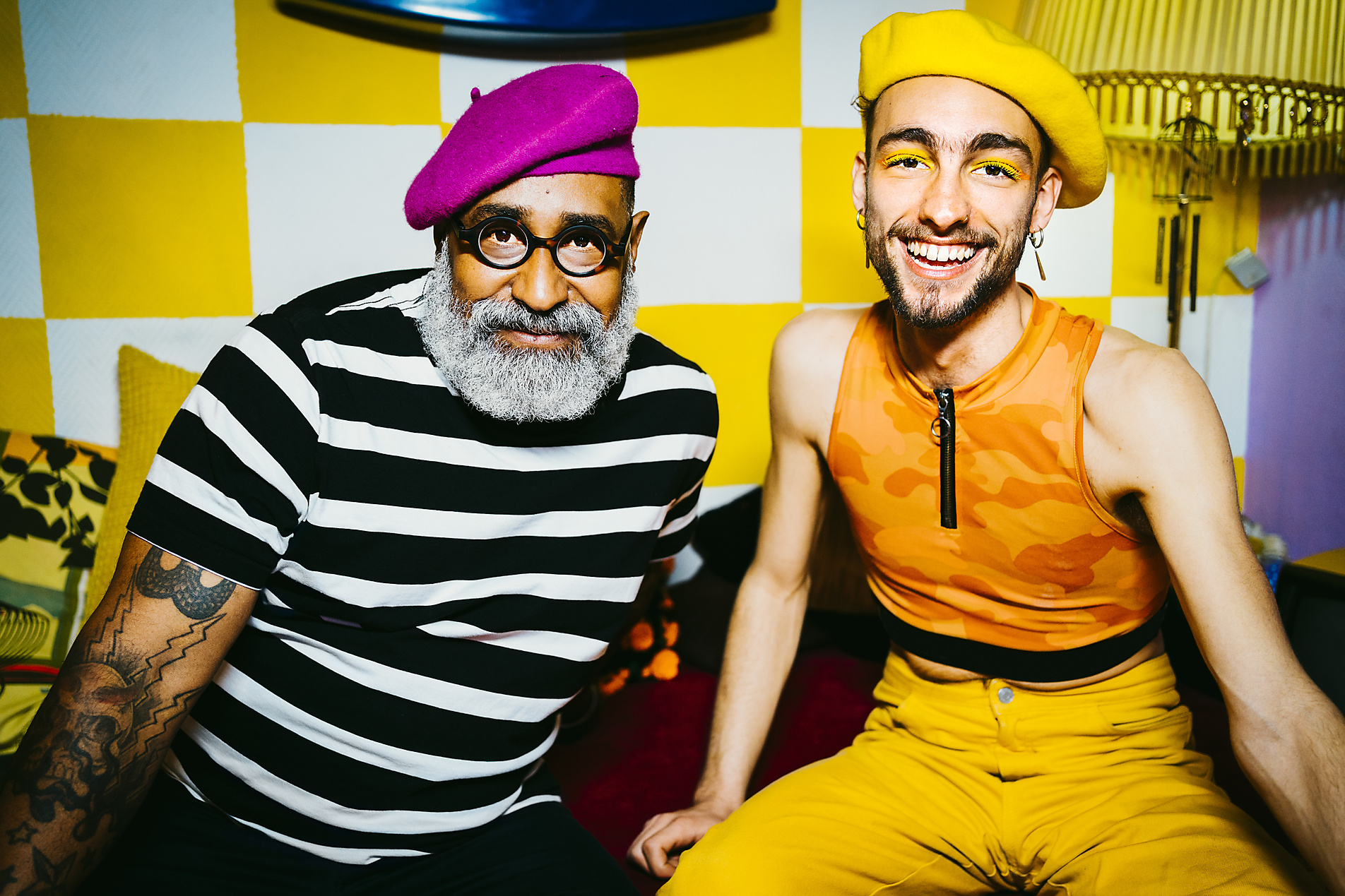
Shed the forced corset of exaggerated beauty ideals
150 years later, the topic is more relevant than ever as global digital networking has unleashed an incalculable and endless flood of images. The ubiquitous availability of people & lifestyle photos influences and shapes our ideas of beauty to a much greater extent than, say, a fashion magazine of the late 19th century could ever have done. This goes hand in hand with a certain visual oversaturation. As a result, seemingly flawless physical perfection is increasingly perceived as interchangeable, boring, and artificial.
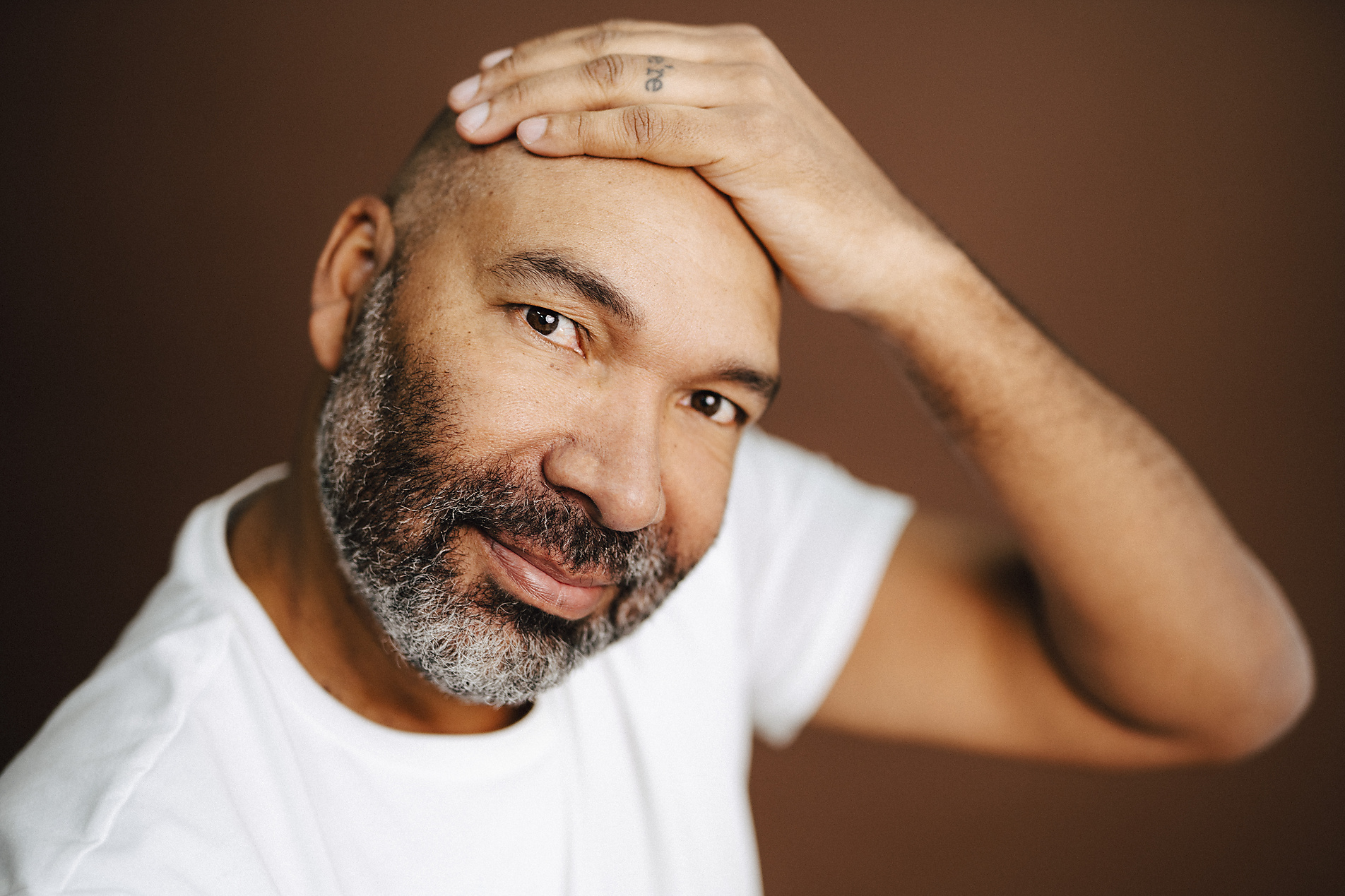
But the body positivity movement is about more than that. It wants to make clear that the spread of an exaggerated cult of beauty always means devaluing all those who cannot or do not want to conform to it. In this way, advocating a self-confident approach to one’s own body—regardless of whether it is fat or thin, small or large, smooth or wrinkled, young or old—also becomes political. Body positivity is nothing more than another facet in the quest for equality and the fight against all forms of discrimination and exclusion.
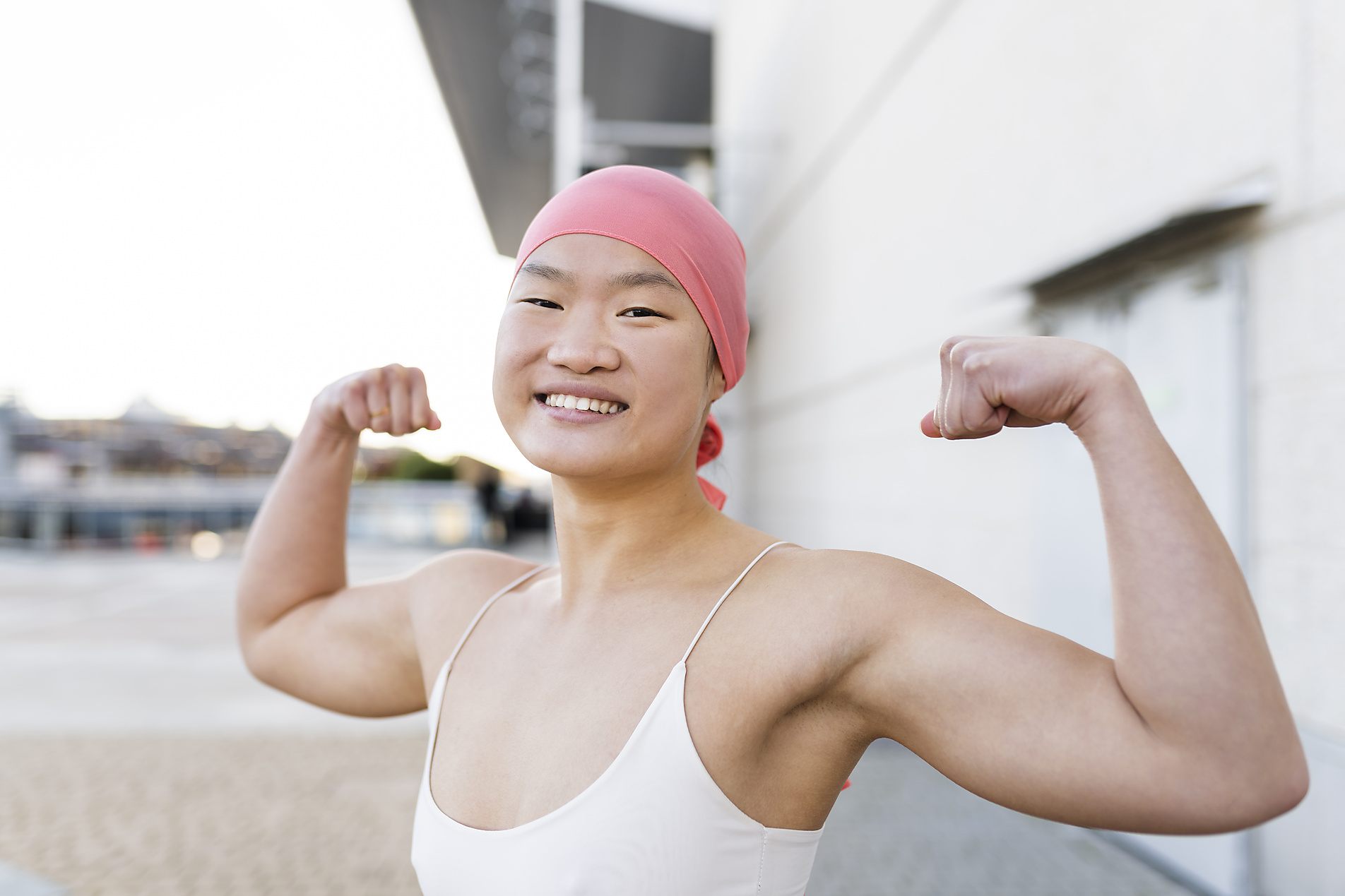

Statement for diversity in an open society
It is quite clear to us at Westend61 that every body type should be shown in advertising because it is precisely the deviation from a certain stereotypical ideal that makes the diversity of human life visible. Diversity, the coexistence of the most varied life designs and concepts, is a defining characteristic of a free society. Depicting this human diversity is not only interesting and multifaceted, but also a statement for peaceful and equal coexistence despite all differences.

But still, let’s be honest, it’s also about how well we can sell our images. Strong photos and good campaigns don’t just live on those types and faces with that certain something, but they also appeal to as many people as possible—people like you and me, not like Barbie and Ken.