Security – our greatest wish
The coronavirus pandemic has brought one of people’s basic, existential needs into the collective consciousness: the desire for security. State-imposed compulsory masks and contact bans are the most obvious security concepts in this context. The outbreak of the pandemic raised the pressing question of how most people can protect themselves and others, not only from the virus itself, but also from the side effects of the pandemic.
These ranged from smart social distancing to hoarding purchases of toilet paper. In whatever form, whether exaggerated or not, such behavior is essentially an expression of our desire for safety. So let’s ask ourselves: What is the actual situation regarding our security today?
Suddenly the danger is there
Man is a creature of habit. That is why we have become accustomed to a high degree of perceived security. There is no doubt that hardly any other generation has been allowed to live in such safe times, all things considered, as those of us in the western world today. This conviction that nothing really bad can happen in our societies has only been briefly shaken.
Discover the best images about Security in our shop.
Examples are the terrorist attacks of September 11, 2001, or “minor” catastrophes such as the fire at Notre-Dame cathedral in Paris. In general, however, our sense of easiness and well-being returns relatively quickly after such dramatic events. These tragedies are usually too far away to throw off our mental balance – and make us aware that life can indeed give us a nasty surprise at any second.
Naturally we reject the change if it is changing for the worse. We love the status quo. But when an existential threat in the form of a pandemic invades all our lives, not only through the media in our living rooms, but is also omnipresent on our doorstep and above our heads, then understandably we break out in a cold sweat: Gone is our security. And we realize that in the modern world by no means can everything be controlled.
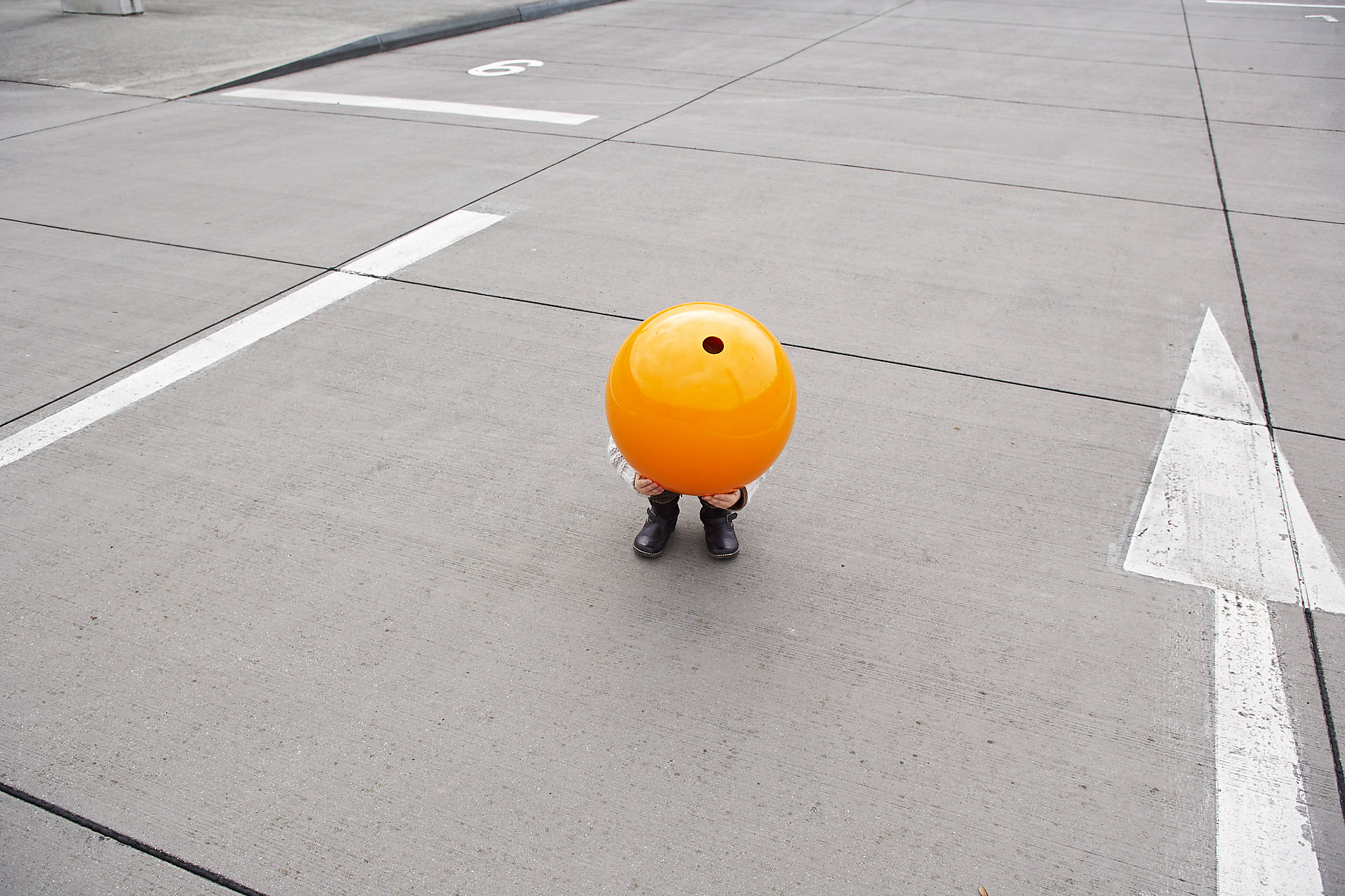
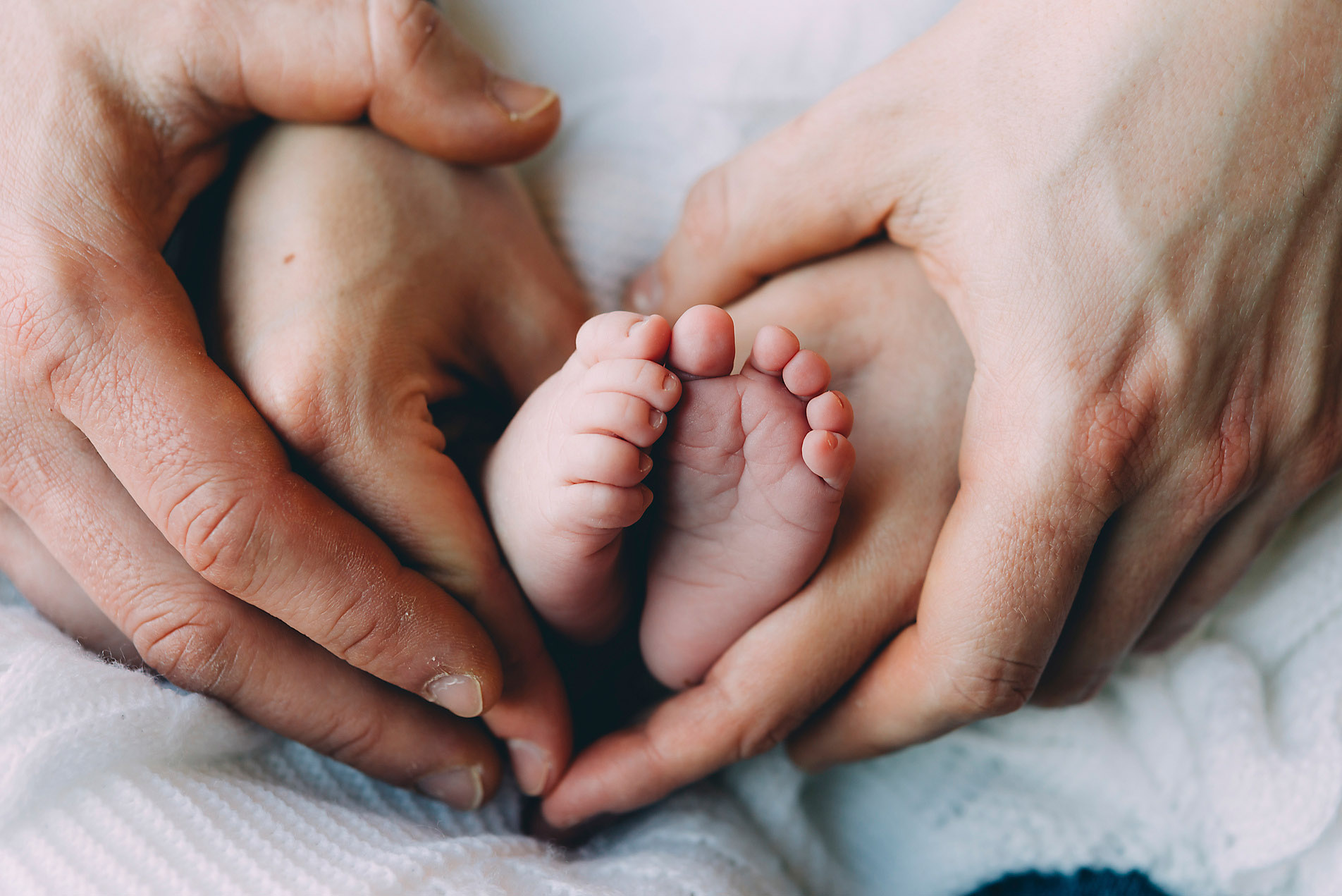
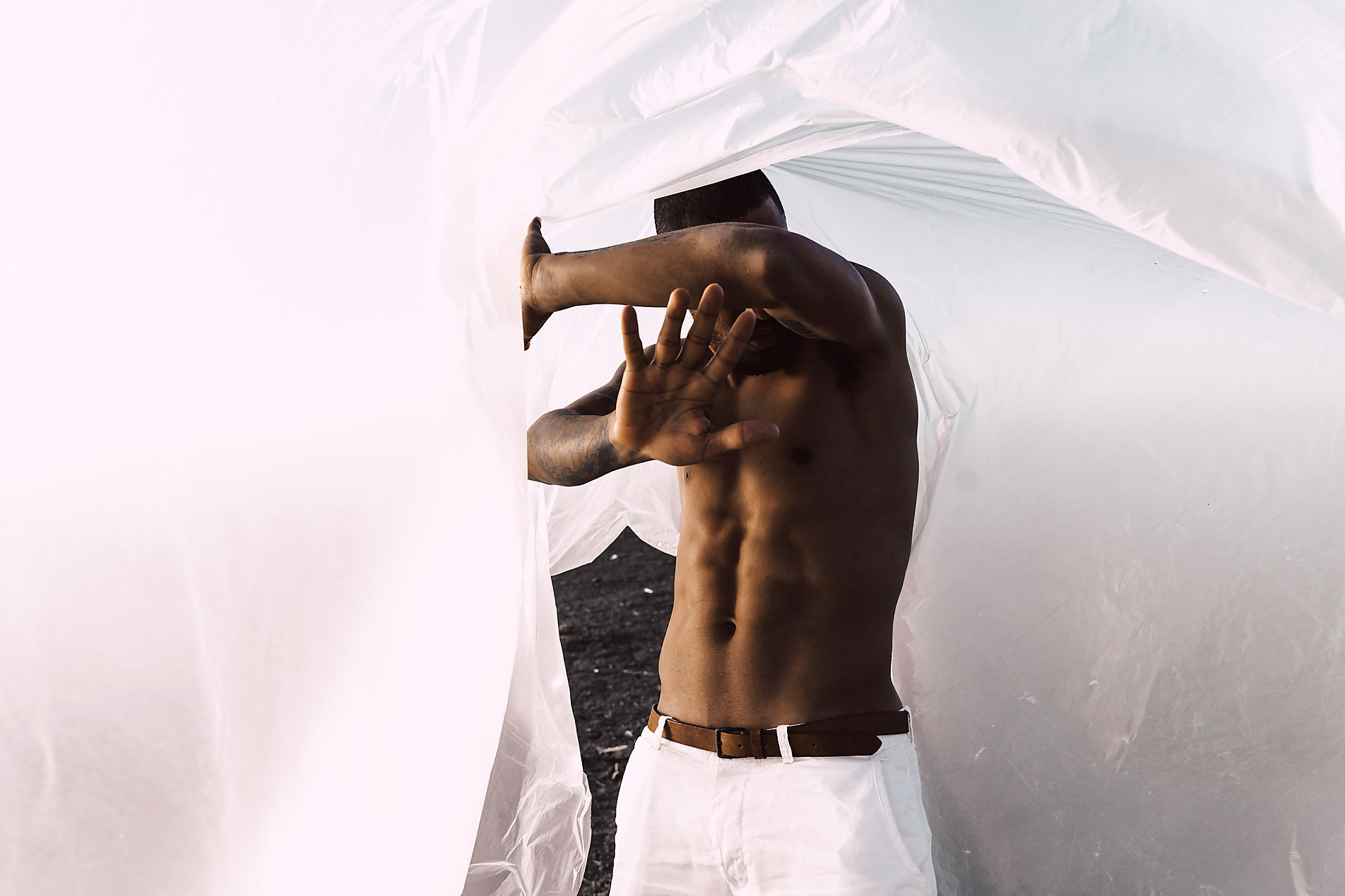
Even if our state guarantees us the inviolability of human dignity, it cannot always protect us completely against a virus, at best it can only try. Now we know what it is like when a situation suddenly changes. And many of us only perceive the security that had surrounded us when we suddenly find ourselves in an atmosphere of insecurity.
Moving carefully back to a new normal
No matter how many insurance policies we take out, no matter how careful we are, there is no such thing as a life without danger. This illusion is in our thoughts only. Uncertainty, danger, evil – whatever we call it – always finds a small gap through which to gain access and a chance to develop.
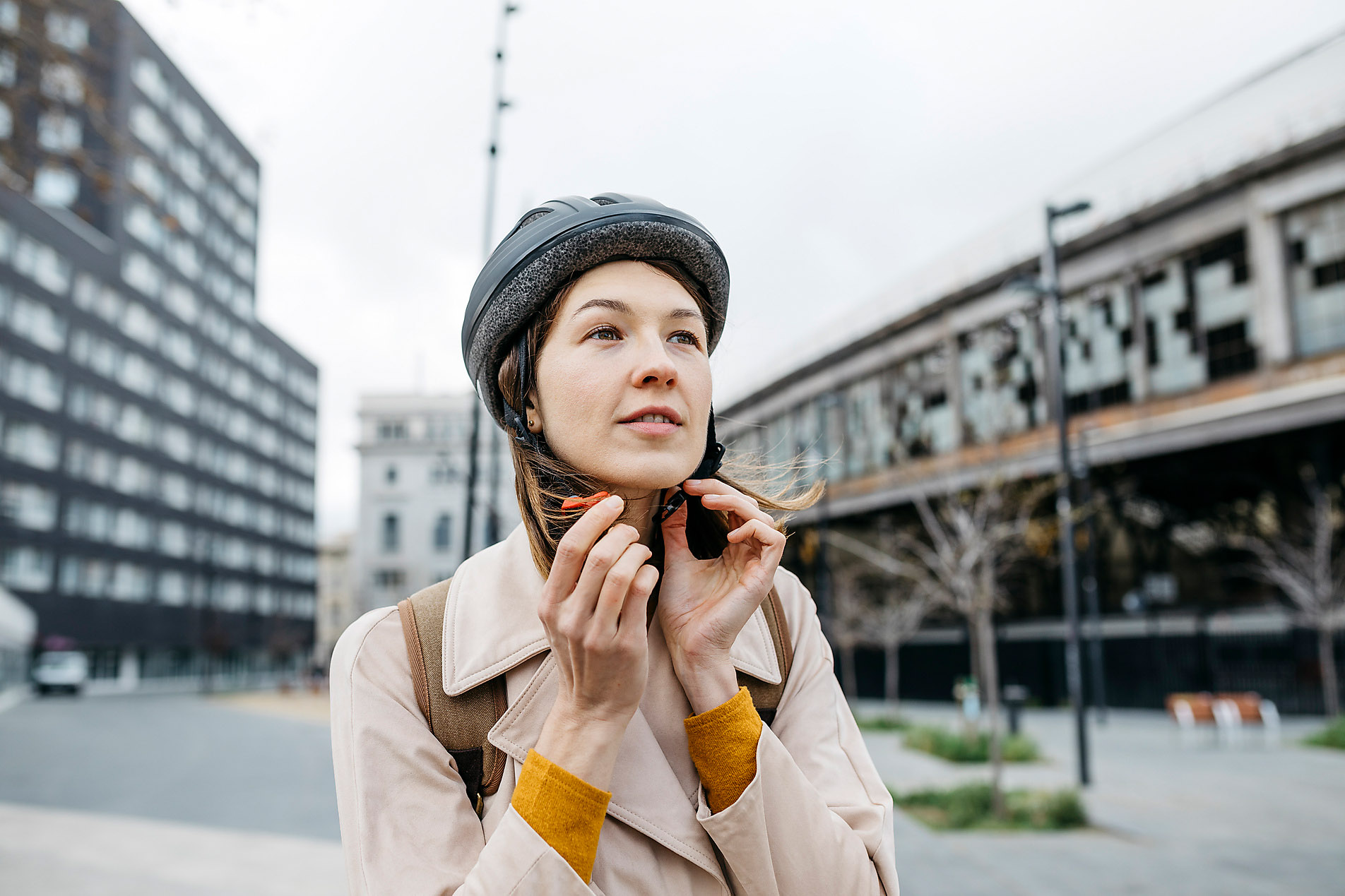
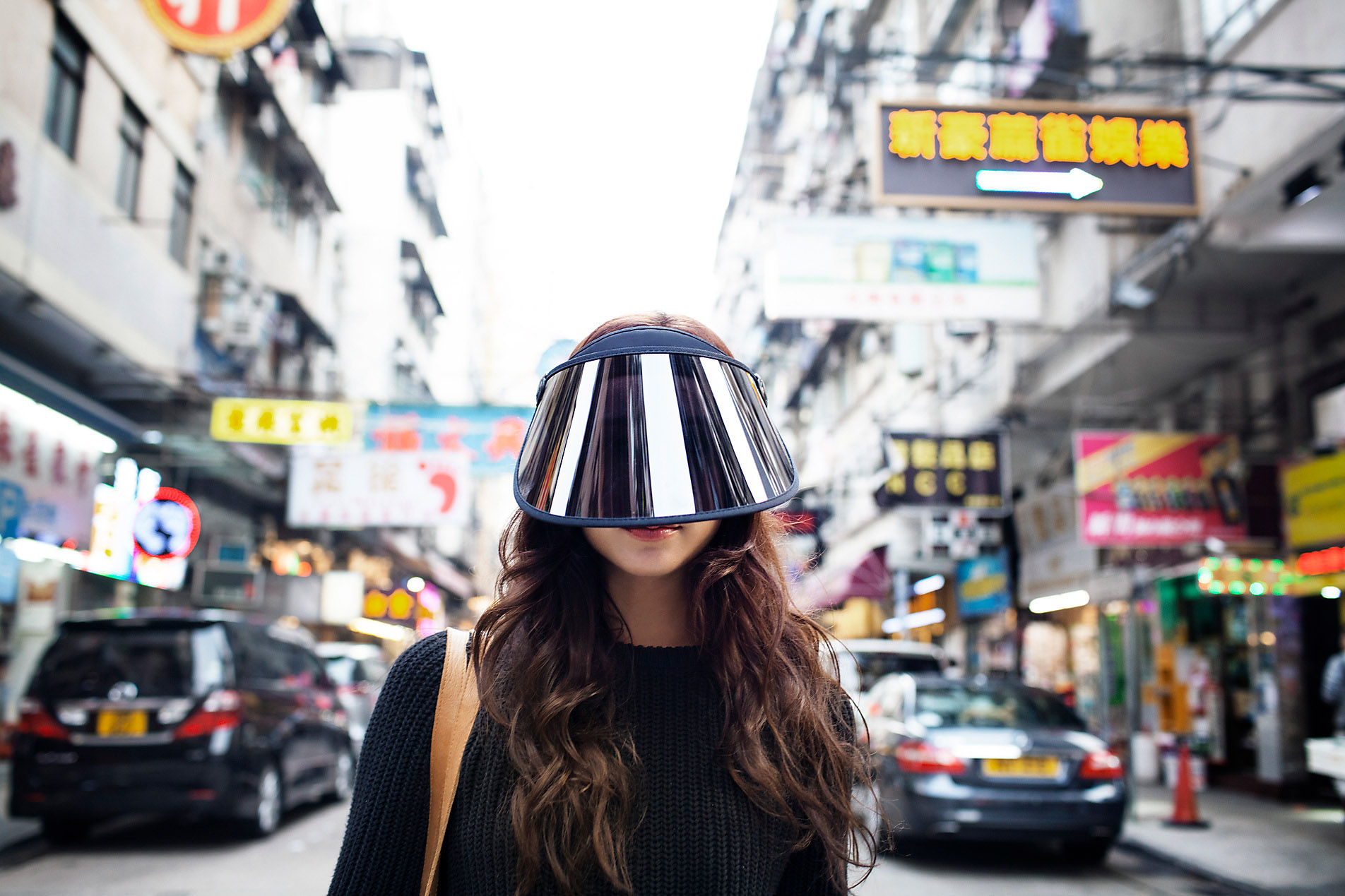
At present, lifting restrictive measures causes many to frown anxiously. After weeks of discussions about the right balance between civil freedom and state-imposed health protection, we have now found our way into something that almost feels like freedom – just in time for the summer. The fact is, our gradual return to normal is a deceptive one, because the infection rates can quickly deteriorate again due to lifting restrictions. But on the other hand, our lives must continue.
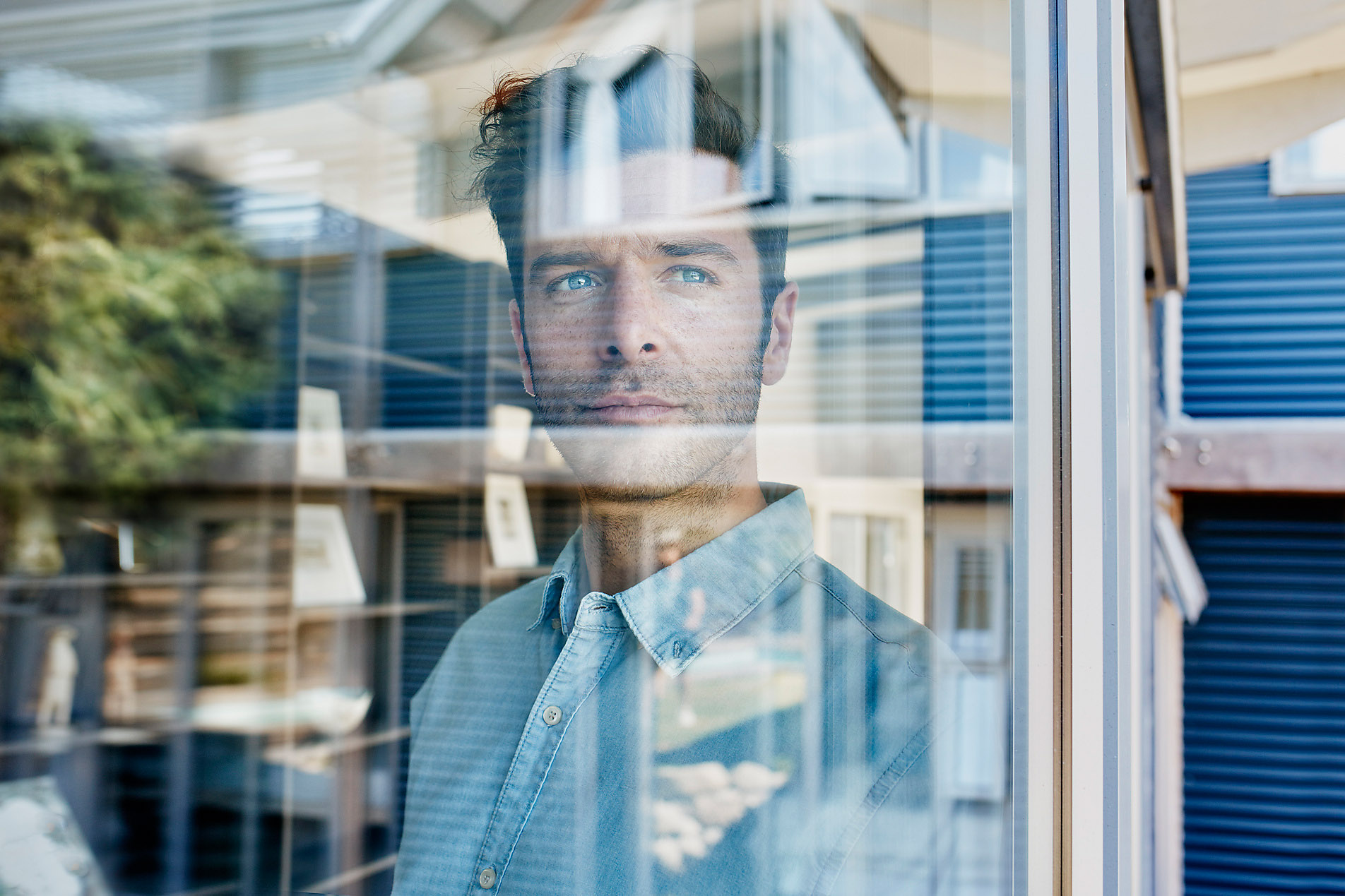
But that also means learning from things and changing our behavior. We need a new way of thinking about safety, which includes a realistic assessment of not only risks, but also of moral values such as consideration, care, and social awareness. People who are ill should not have to worry about their job, or even feel forced to drag themselves into work sick. After all, security is not only a matter for the state or insurance companies, but it is also based on empathy and a sense of responsibility in each and every one of us.