Change – a society facing many question marks
“If we could change ourselves, the tendencies in the world would also change. As a man changes his own nature, so does the attitude of the world change towards him… We need not wait to see what others do.”
This quote, attributed to Mahatma Gandhi, with the core message “be the change you want to see in the world” is still relevant today. Just consider the newly inflamed debate on racism in the US after the murder of black American George Floyd by white policeman Derek Chauvin.
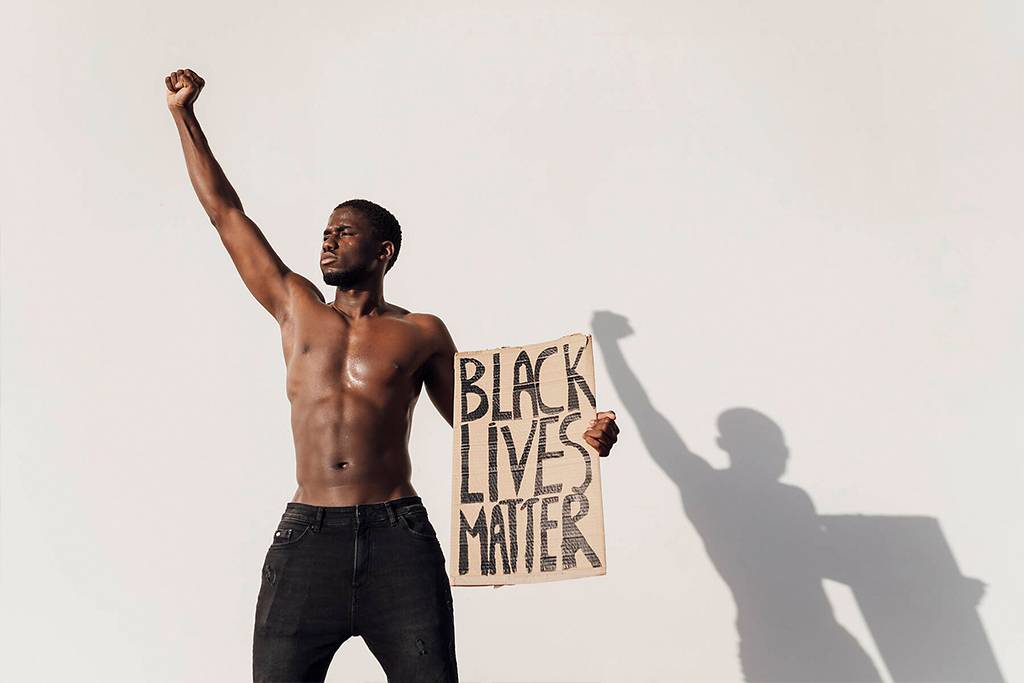
In his words, Gandhi not only addressed the fruitful interaction between personal and social change, but he also made clear that a change in individual personal attitudes can only have a social impact if it is accompanied by a willingness to act, for passiveness also promotes social evils such as discrimination against certain groups.
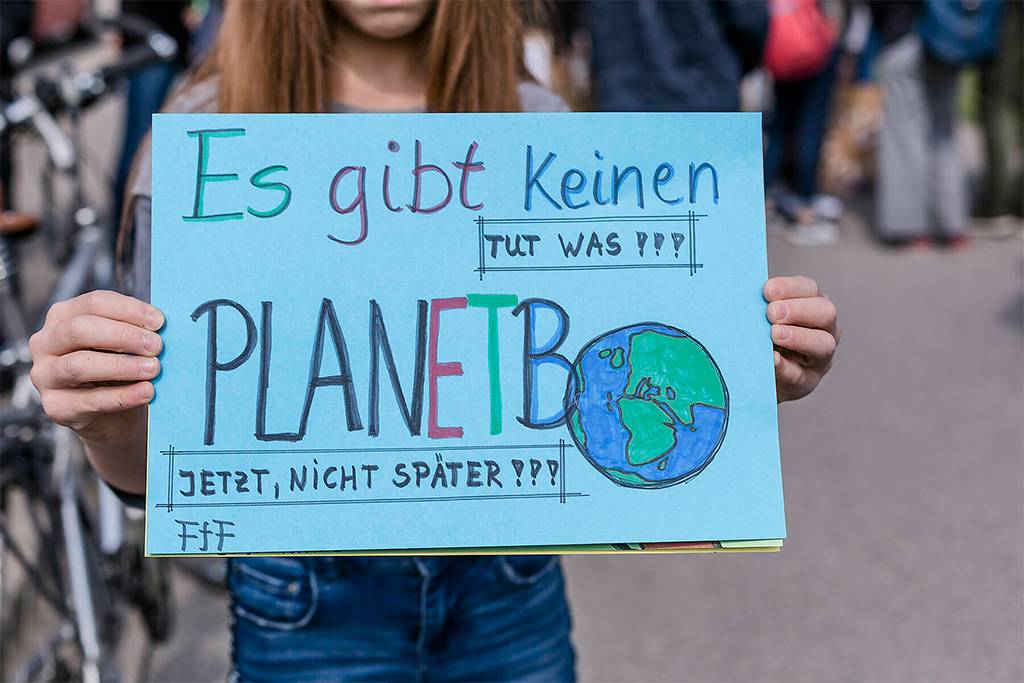
This is the Change we need!
Commonsense thinking alone can sometimes exacerbate problems rather than help solve them. After all, it is not enough to have the supposedly correct attitude toward political and social issues; one must also actively counteract social injustices. The roots of racism, unequal treatment of women, and social injustice are too deep.
In this article, we do not want to go into the details of the racism issue in the US, but rather deal with necessary changes in general toward more equal rights for minorities.
For it is not enough to distance oneself from discriminatory behavior, but one must also discard the thought structures and patterns of discriminatory behavior that guide our daily actions. Just as we have learned them at some point, we must now “unlearn” them if we want to heal the deeply rooted ills in our social structures. The condition for such healing is abandoning attitudes and behaviors that we have been taught are “normal” because they are socially tolerated.
The problem with normal
Let’s do a little brain exercise and imagine the following situation: In a café we have a conversation about gender roles in the world of work and the words “cis male” and “cis female” are mentioned. Someone hears these terms and is at first puzzled. So they ask or google the word, and they find: “Cis male/female is the gender identity of those whose gender identity matches the gender assigned to them at birth.”
Not to be a stickler for morality here: Some of you may wonder if instead of cis male/female, you could say “normal?” And so we are faced with the problem and the question: Who actually determines what is “normal?” Does “normal” mean that the majority of people conform to a certain norm? And does it then mean that everyone else is “abnormal?” And isn’t the latter adjective then somehow a (derogatory) label that is attached to these people?
These are such fundamental questions that we first must ask ourselves before anyone else. We must answer them for ourselves and then discuss these answers with our fellow human beings. But we also have to address such matters more strongly than before in our education system so that they can have a broader social impact.
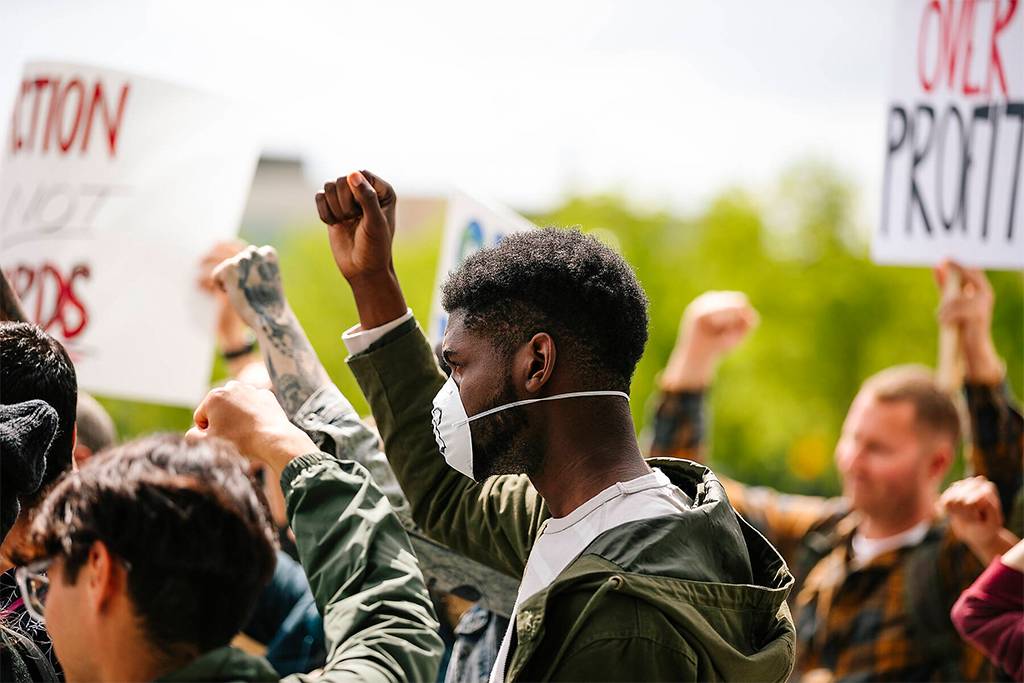
And we need a new normal, which no longer corresponds to the definition of “normal” that we have been using to up to now, but rather is an equal part of the whole in its diversity. So let us be aware of the privilege of living in a free country and use this freedom to advance what our society needs: change for greater tolerance.