A creative duo from the Ruhr region: Sebastian Mölleken and Julius Gnoth
“Quality over quantity”: That’s the focus of Westend61’s stock photo collection. Our photographers don’t just live up to this standard—they embody it every day! Behind the vibrant imagery in our portfolio are numerous creative minds who understand their craft when it comes to light and exposure and have a keen sense for compelling subjects. We want to give them names and faces here. That’s why it’s time once again to introduce members of our widely dispersed team. Today, we feature Sebastian Mölleken and Julius Gnoth from Mülheim and Oberhausen in the Ruhr region, who, through their joint Westend61 account “RAY”, demonstrate how commissioned and stock photography can complement each other in highly creative ways.
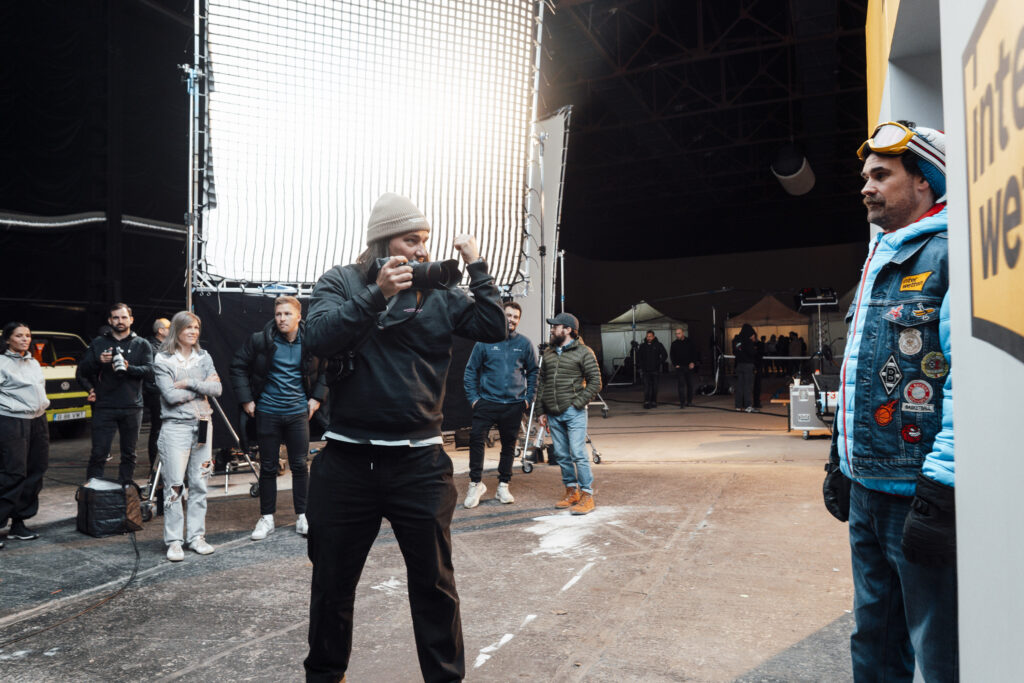
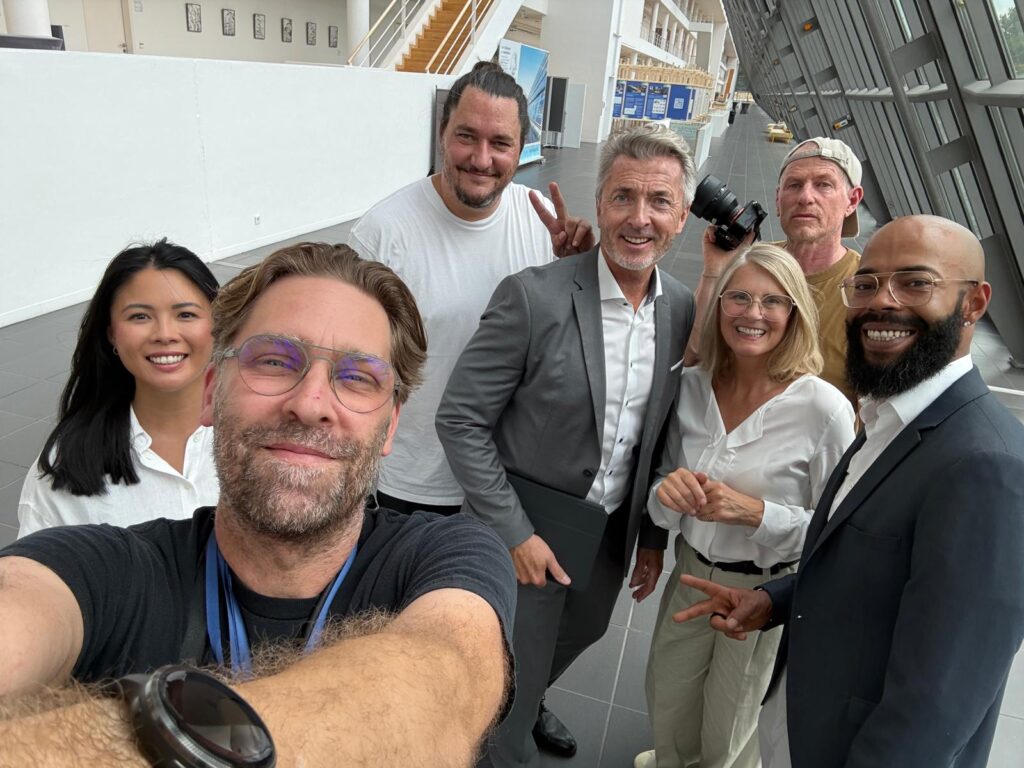
© private
Sebastian Mölleken and Julius Gnoth primarily make their living from commissioned work, but in recent years they’ve also increasingly discovered stock photography as a complement and a second source of income. “We have a well-established network of clients, models, and locations that we can also put to good use for stock productions,” explains Julius Gnoth. “And we’re always trying to bring new faces into our images.”
Stock Productions as an “Injection of Ideas” in Between
The two have known each other for quite some time, including from their collaboration in the Joseffson photography collective. “We’ve noticed that we work well together on jobs and complement each other nicely,” says Sebastian. This is true even for video productions: one films while the other takes photos. “That’s how we can offer our clients added value,” says Sebastian.
While commissioned photography is generally their primary source of income, stock photography also offers them the opportunity to productively bridge periods with fewer commissions. “With stock, we have more flexibility in terms of time, and we try to do a stock shoot about twice a month on average, when we’re not away for a week working on other commissions,” explains Julius. “And it’s always refreshing to do stock photography again.”
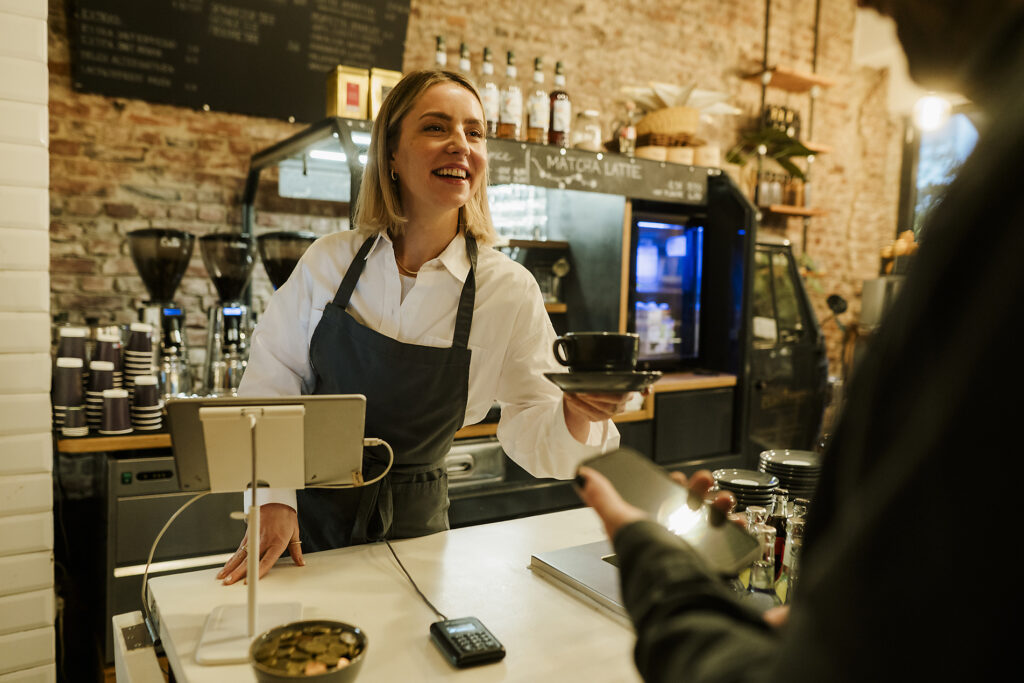
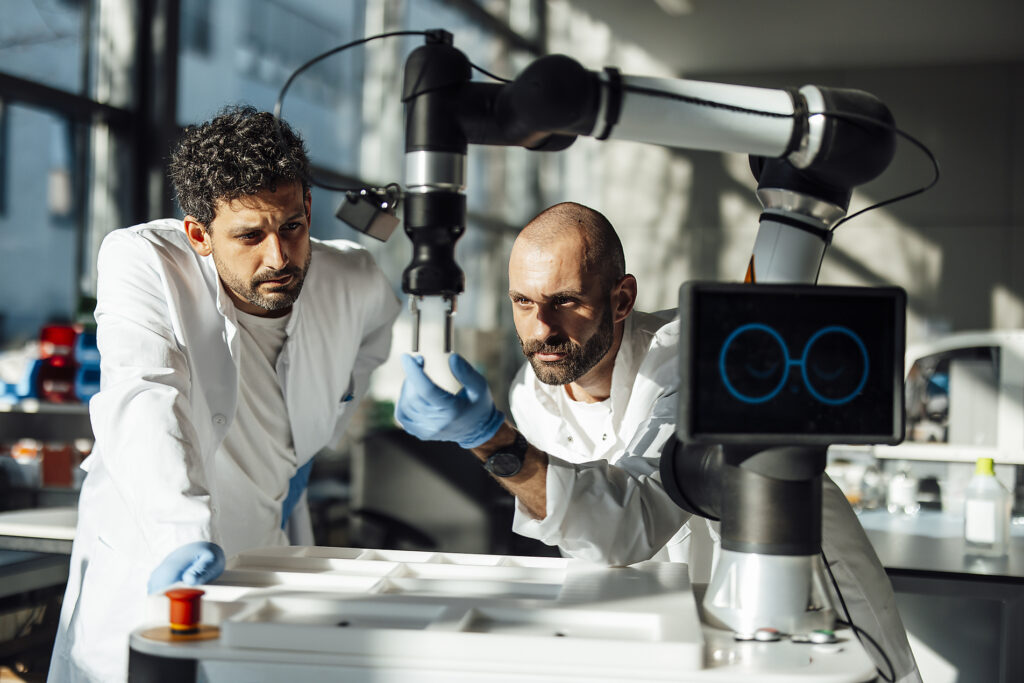
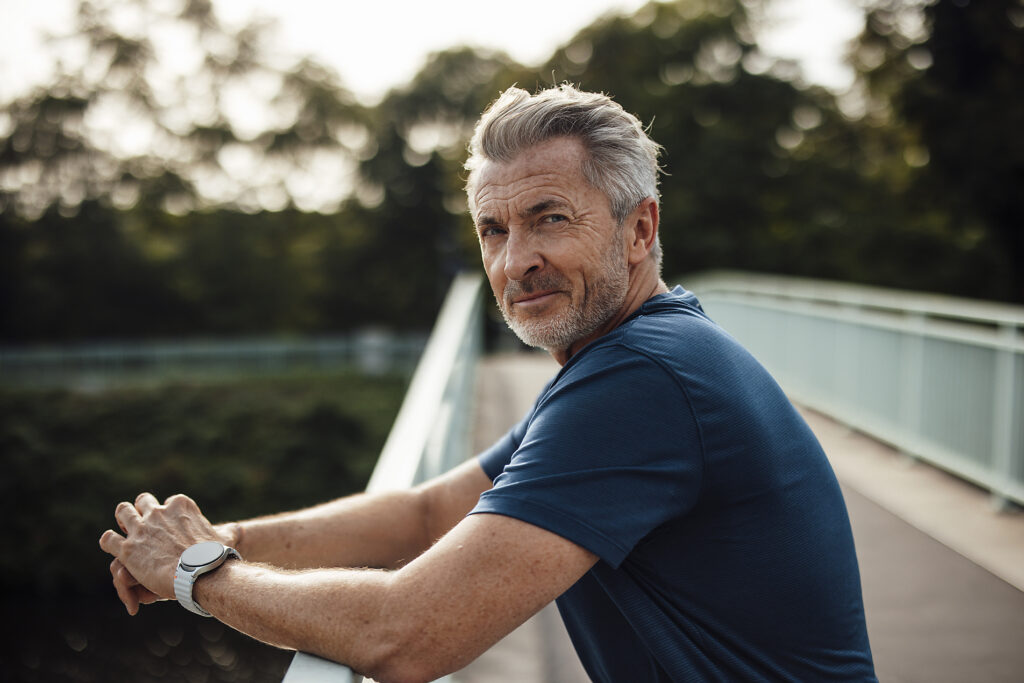
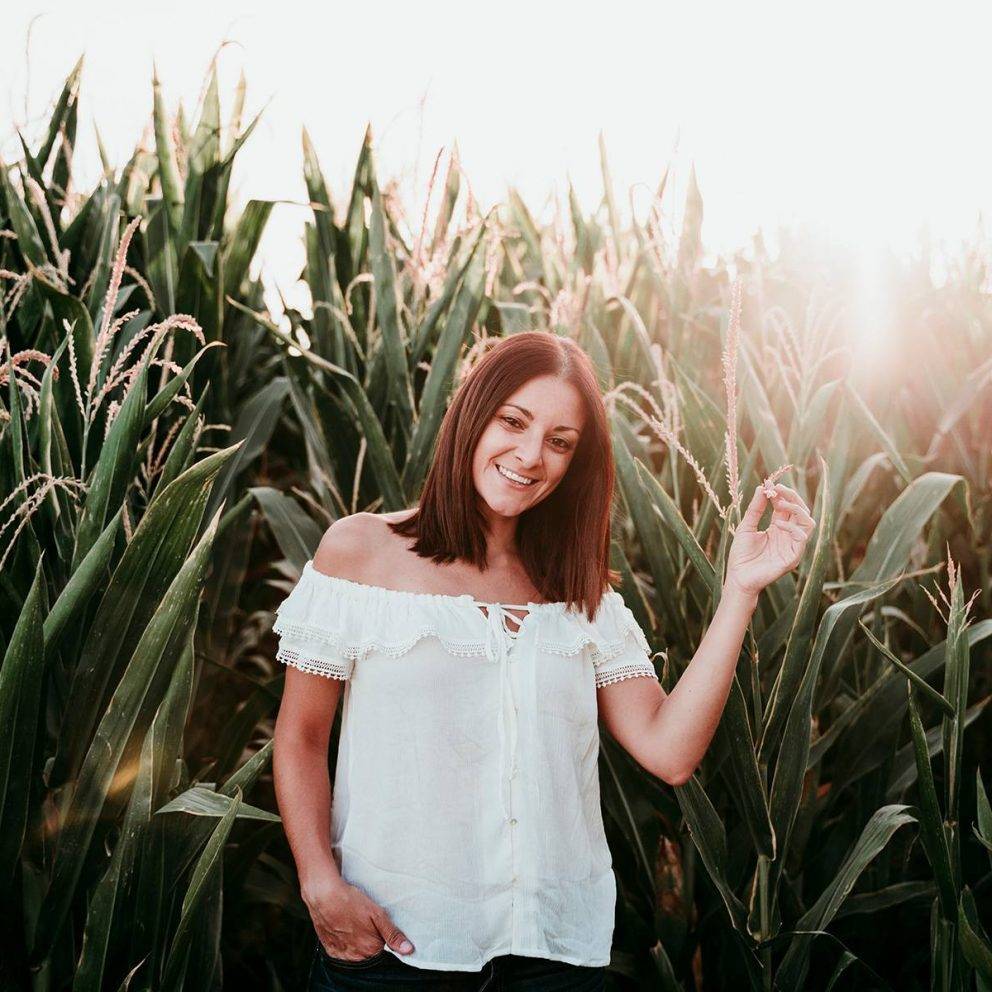
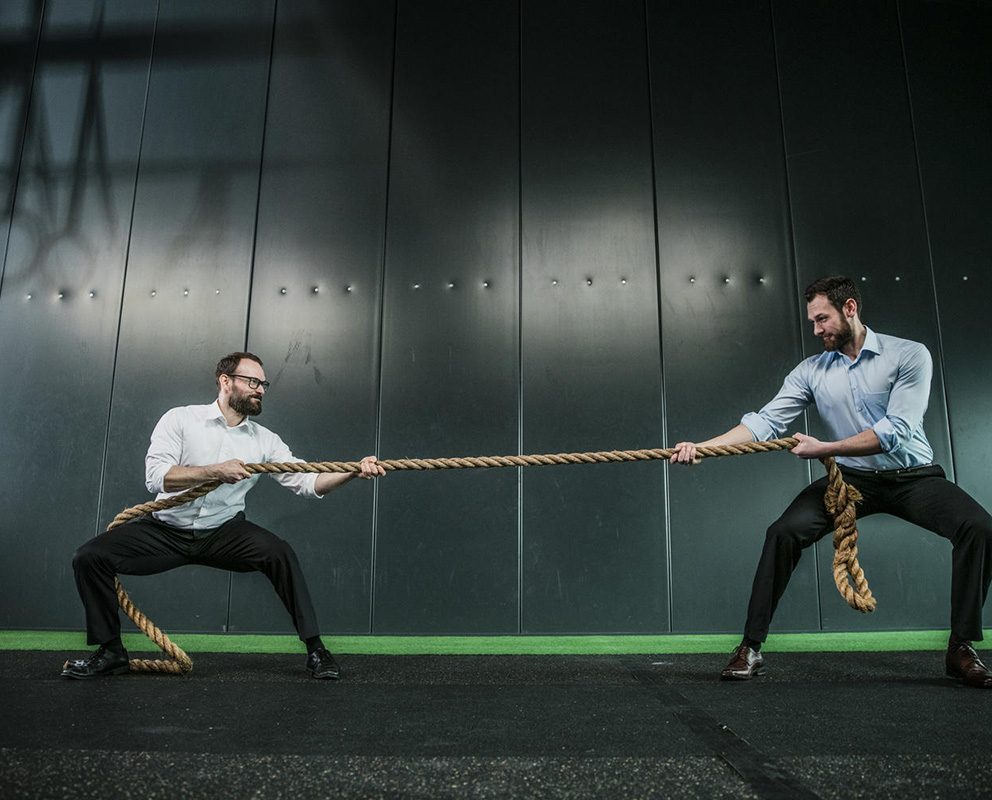
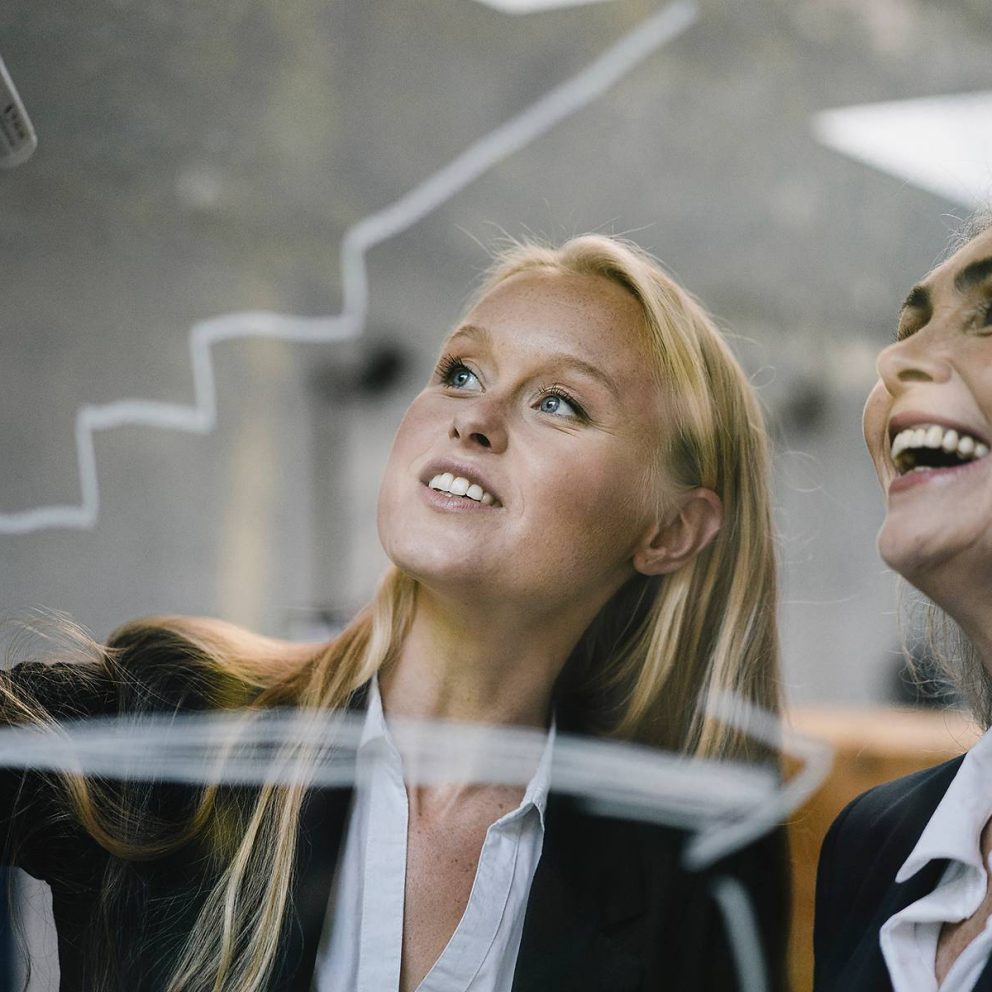
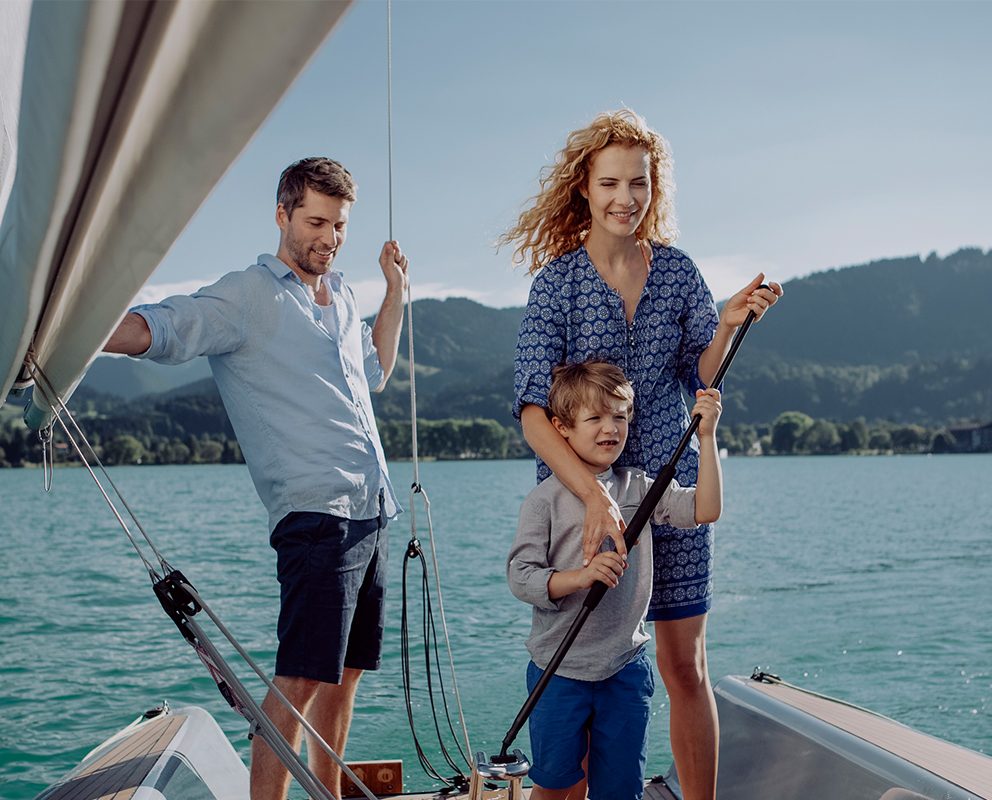
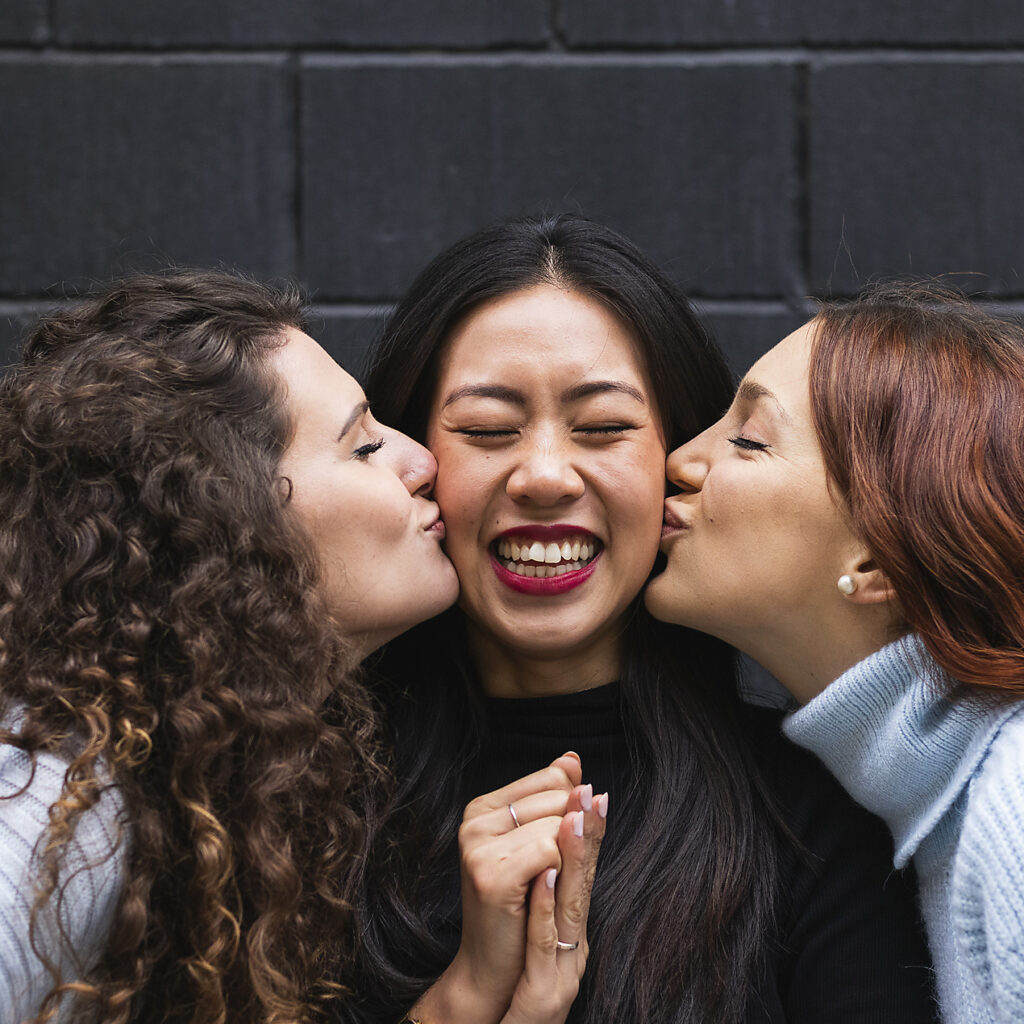
© Left, Center, Right: Westend61 / RAY
Stock photography also provides variety and new ideas, which in turn benefit the quality of their commissioned work. Both estimate that stock photos make up about a third of their workload. “We’ve found that stock and commissioned work go hand in hand,” explains Julius. That’s because new contacts often arise in both areas, which can then be leveraged in the other field as well. And working as a “tandem” has its advantages, too: “After shooting for three hours straight, you sometimes run out of ideas. Then you can take turns, with one guiding the other, just as an art director would,” says Sebastian.
Combating the AI Boom with Authentic Images
Authenticity in visual language and expression is an important issue for both of them. This is especially true in the age of the AI boom. “AI is certainly strong competition for us photographers. But we try to set ourselves apart from AI-generated photos with quality and authentic images,” says Sebastian. Importantly: “We value a relaxed atmosphere during the shoot; that way, the images simply come across as more natural.”
Despite the intense competitive pressure from AI, both remain confident. “I hope that good stock photography will continue to thrive. Because I believe that AI can’t replicate a photographer’s personal style well enough to ever replace stock photography,” Julius is convinced. And that applies not only to photographic expertise and creative flair behind the camera: “It’s also about having a keen sense for the right models, interesting subjects, and good locations. AI can’t do that. It’s just a robot that can’t feel anything and has no intuition,” he’s certain. However, both see AI not only as competition but also as a useful tool that can make their work easier. “I use AI for retouching—it can be a big help there. And it can also be very useful for planning our work,” says Julius.
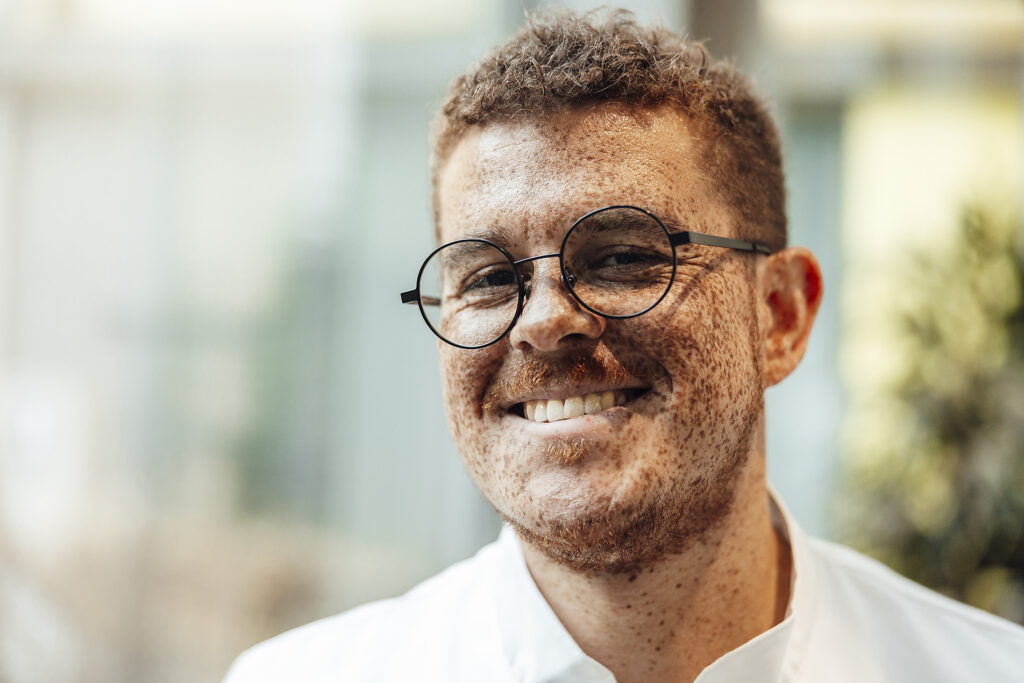
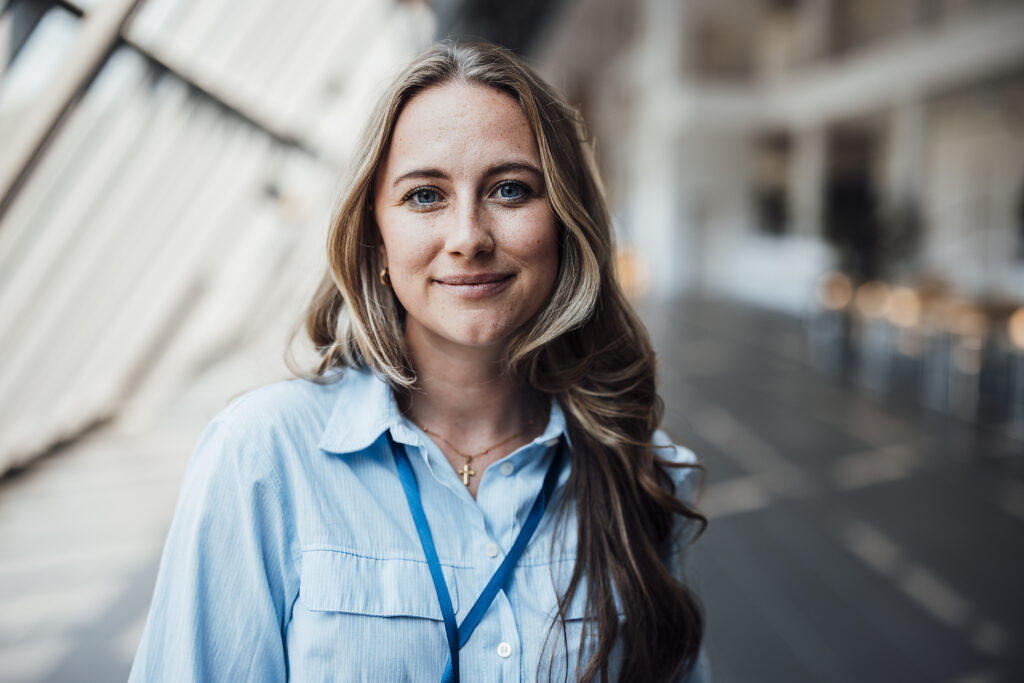
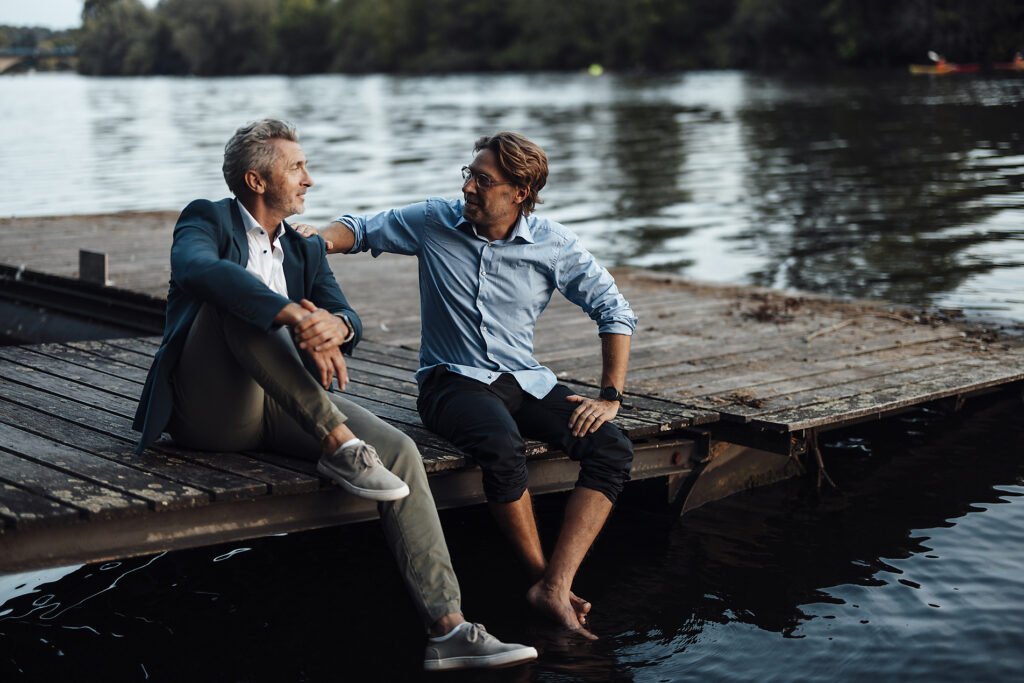
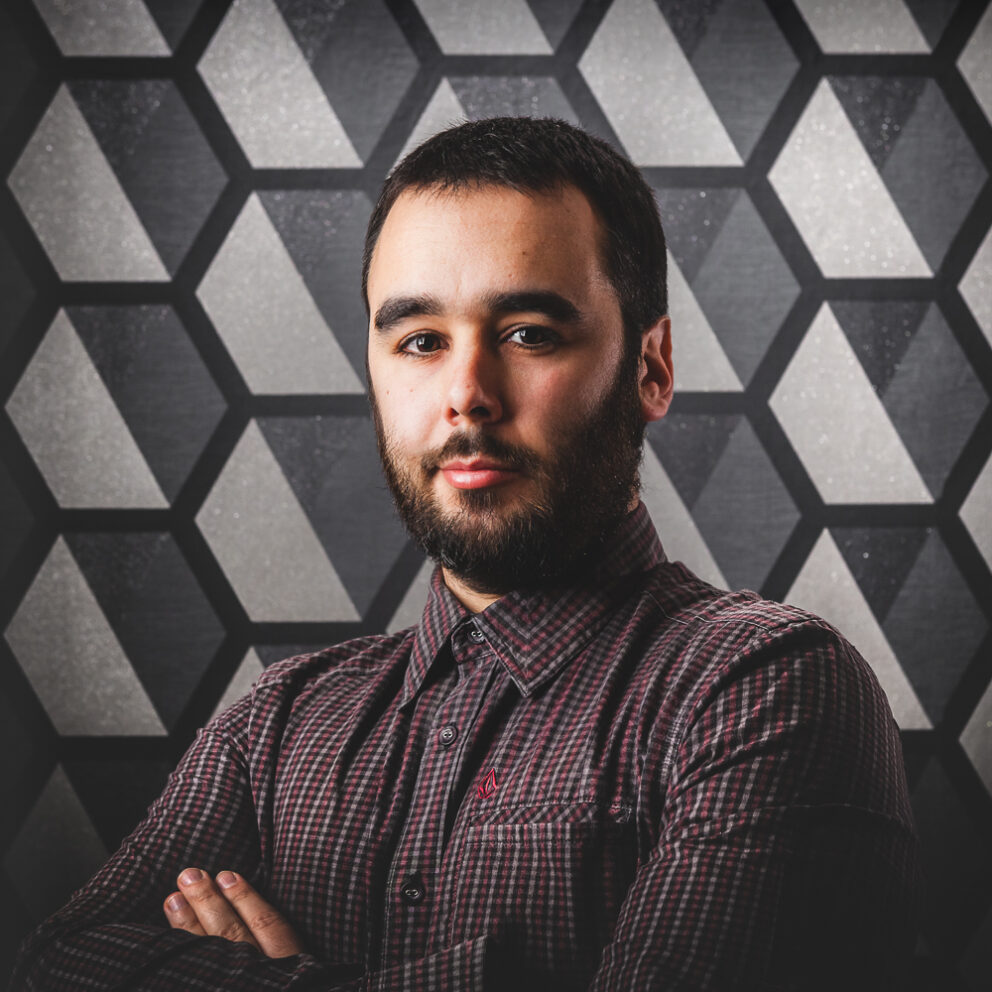
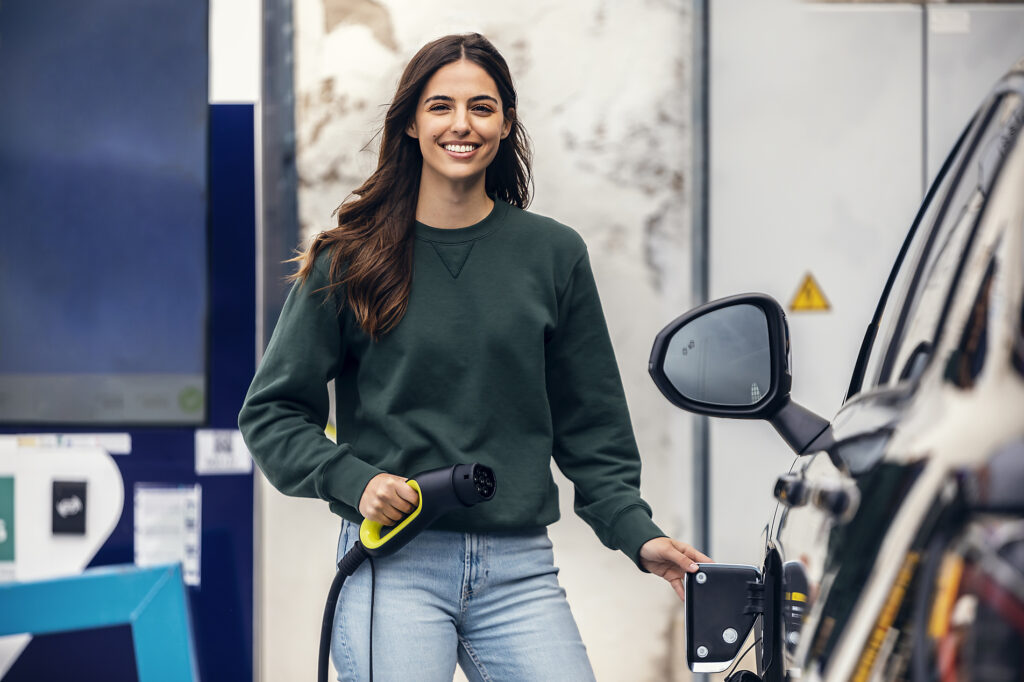
© Left, Center, Right: Westend61 / RAY
Sebastian and Julius follow a broad-based approach that goes beyond the actual photography: “We want to make it clear that we can offer even more: for example, model casting, video, drone footage, conducting interviews, and on-the-spot sound bites,” says Sebastian. And Julius adds: “We handle production from A to Z: coming up with ideas and concepts, writing storyboards, advising clients, analyzing target audiences, and then execution and post-production.” On top of that, of course, there’s selecting good and suitable locations, the models and their outfits, and—last but not least—catering.
We couldn’t do it without our creative team!
Anyone working with such a comprehensive concept and a keen sense of current trends looks for a partner who thinks along the same lines. That’s why it’s no coincidence that Sebastian and Julius collaborate with Westend61 on their stock photography projects. After all, we, too, live by the principle of “quality over quantity.” And we value the work of our photographers. To us, they aren’t anonymous image suppliers, but members of a creative collective whose success depends on the individuality and skill of its members.
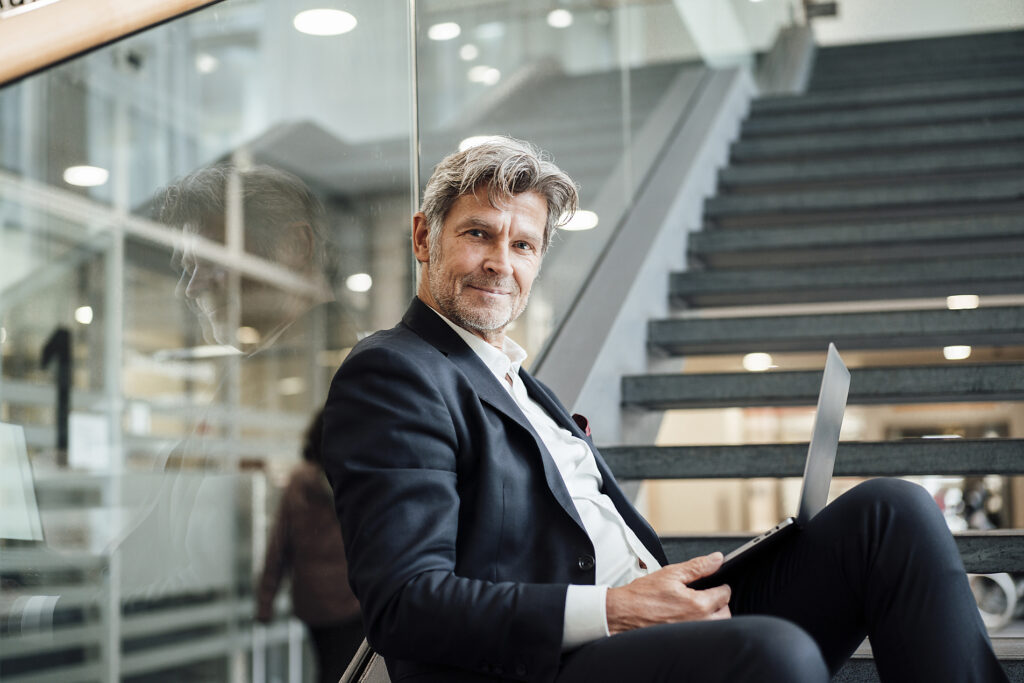
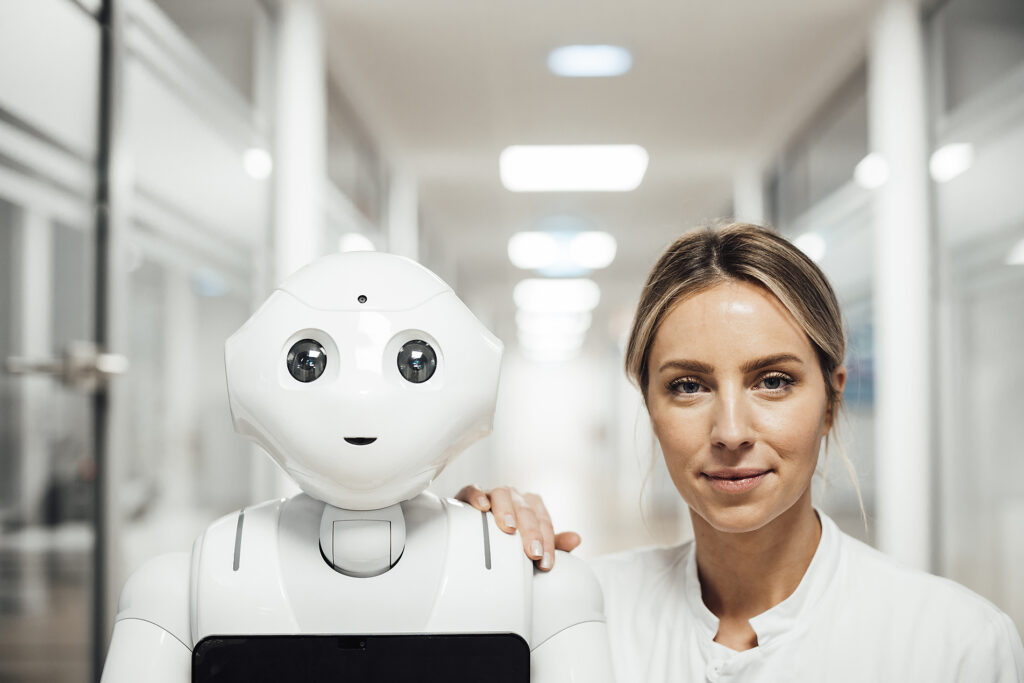
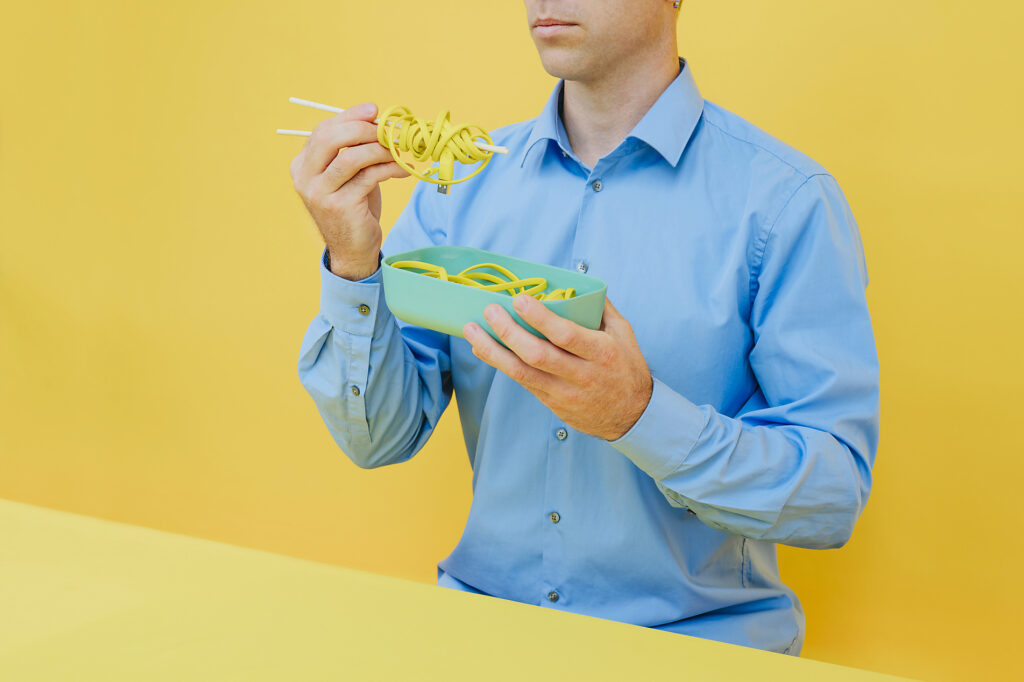
© Left, Right: Westend61 / RAY
This appreciation isn’t a one-way street: “At Westend61, we receive very personalized support, and they take the time to answer our questions; I find that refreshing. “Despite all the turbulence in the stock market, we’ve had stable earnings with our account,” says Sebastian. Julius appreciates the collaboration on equal footing: “They actually listen to our feedback sometimes. In return, we get a lot of useful information, for example through the trend report. Plus, with Michael Kopal, we have a personal contact who also accompanies us on shoots and helps us prepare. That way, we get a clearer picture of which topics are currently in demand for images.”
Both appreciate how Westend61 strives not only to highlight the benefits of premium stock photography but also to consistently reflect them in its own image selection. And we want to keep it that way, because we’re convinced that the person behind the camera remains the decisive factor in good photography. That’s the only way to create emotionally engaging, authentic images. And in the long run, quality will always be more important than quantity.