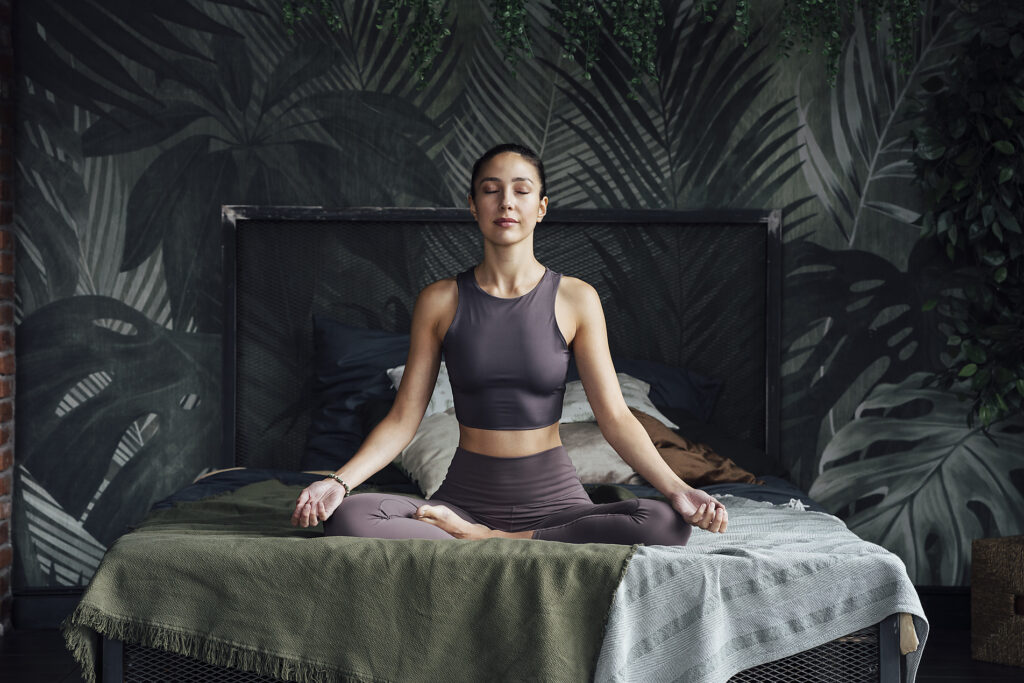
Vertical Storytelling – Why communication needs stock photos in portrait format
Let’s dive right in: We have to think more vertically because we are consuming more and more portrait content! Media agencies have been preaching this for years. The trend toward portrait format is quite simply a consequence of our intuitive digital user behavior. The gap between the use of mobile devices and “classic” notebooks and desktop PCs is wider than ever.
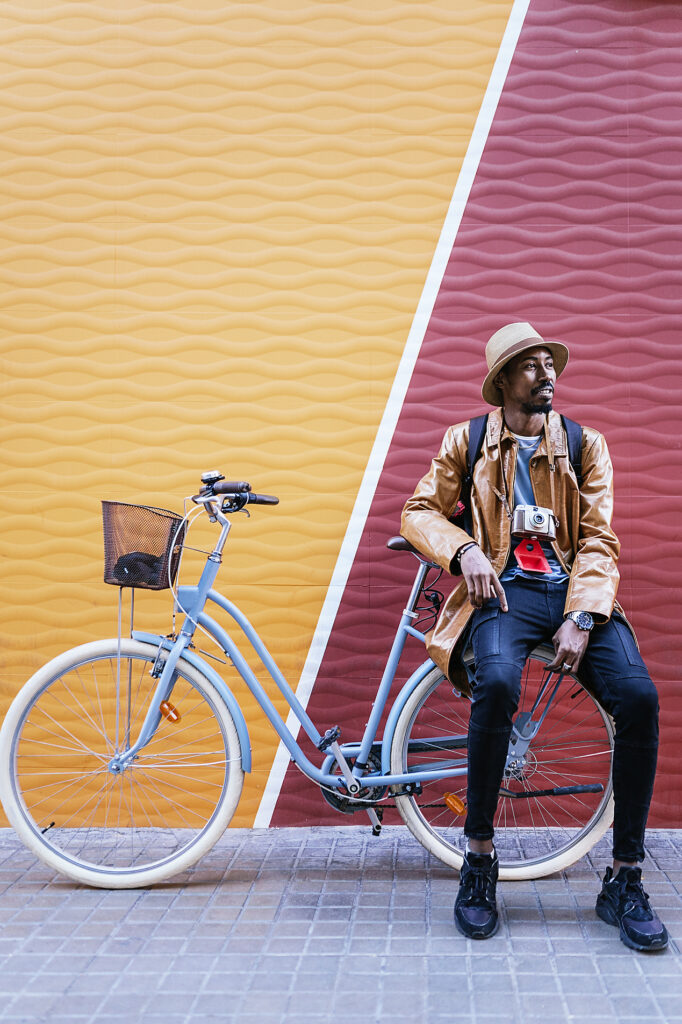
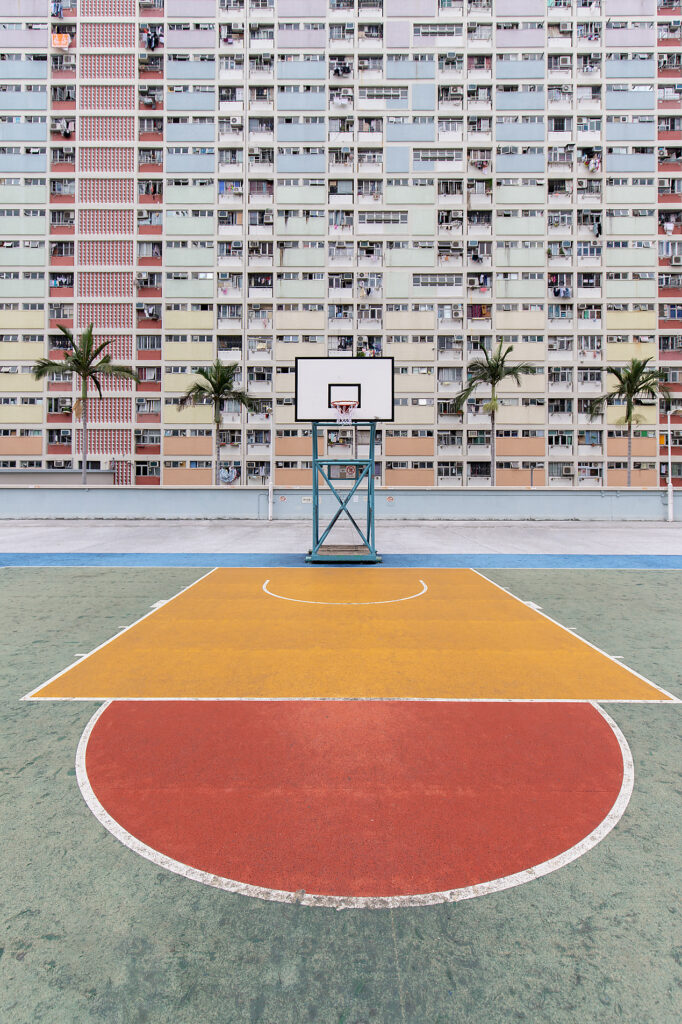
Even the Covid-19 pandemic, with its quarantine orders and home offices, has, at most, only temporarily slowed this development. “On the go” is the preferred choice when it comes to content consumption. It’s no wonder, then, that digital content is increasingly measured by its mobile usability. The horizontal is almost tapped out, due not only to the further rapidly advancing development of technology, but also the emergence of platforms like TikTok or formats like Instagram reels.
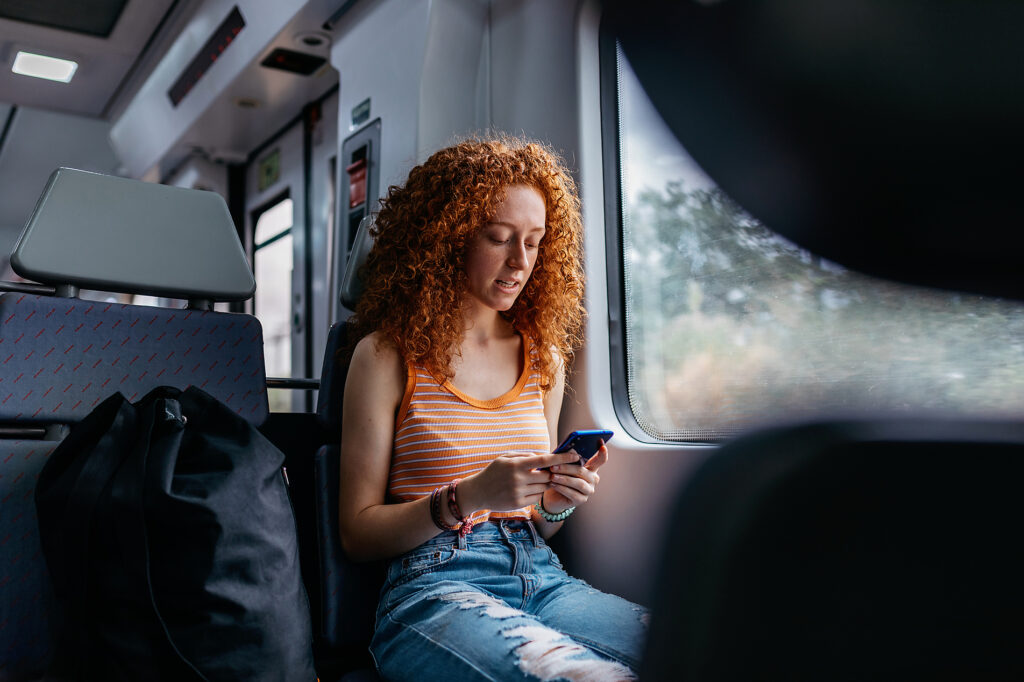
EVERYTHING upright? In our webshop you will FIND ALL VISUAL TRENDS IN PORTRAIT FORMAT.
The horizontal must merge into the vertical
Smartphones are rarely rotated to 90 degrees anymore. The content dinosaurs of the horizontal format, such as live sports or films, are evergreens, but the communication industry in particular is increasingly investing in vertical format placements. We have to ask ourselves, is “vertical thinking” there, too? In most cases, the homepage is the basis of external presentation, but classic websites are still designed in the landscape format spectrum. A vertical mobile view is often booked merely as a necessary add-on.

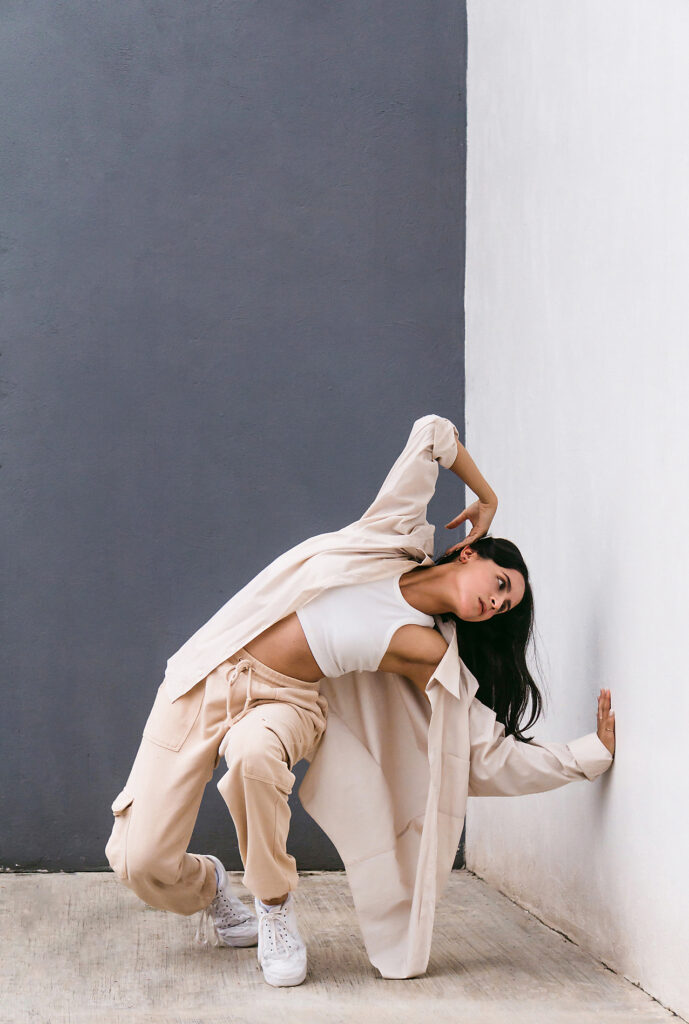
Since the introduction of responsive web design in the 2010s, the overall usability of digital content on mobile and stationary devices has improved. But when it comes to the latest content, we are often still stuck in horizontal ways of thinking and looking at things. A header, for example, always remains a vertical image and is only conditionally suitable for viewing on mobile devices. Such motifs simply lose their impact and ultimately their media power on smaller screens.

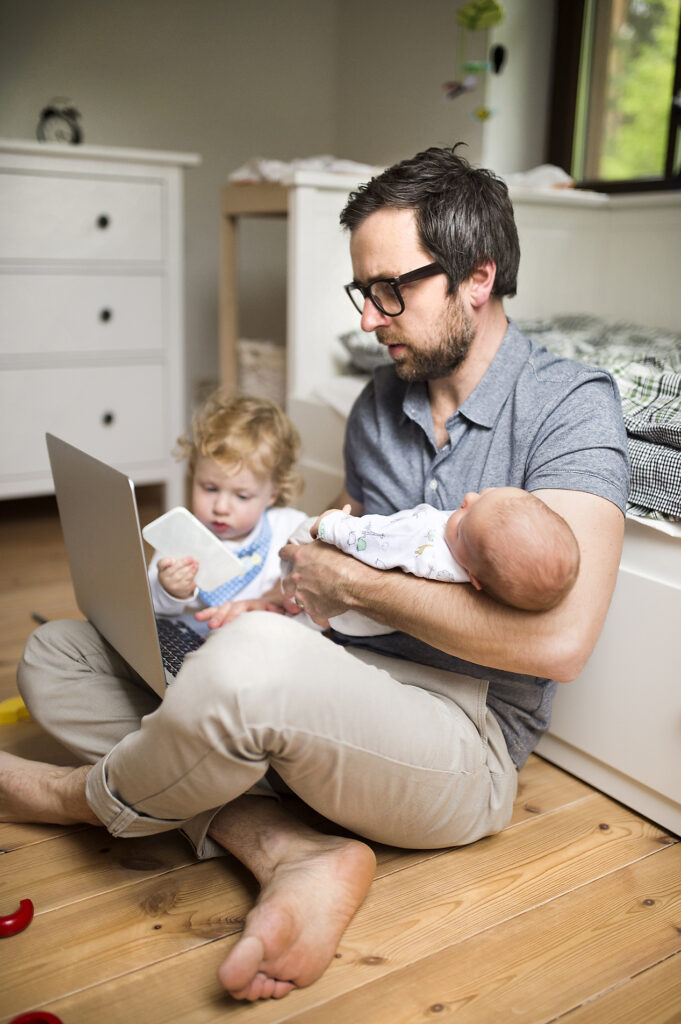
Corresponding considerations must be addressed earlier in the creative process than ever before. When deciding on the optimal format, the following questions are crucial: in which format do I find my target group? What is my core message, and how do I communicate it? How much space do I need for headlines, subtitles, or disruptive design elements? Only on the basis of these key points can well-fitting and effective content be created and, as mentioned at the beginning, we think more “vertically.”


Stock photography from top to bottom
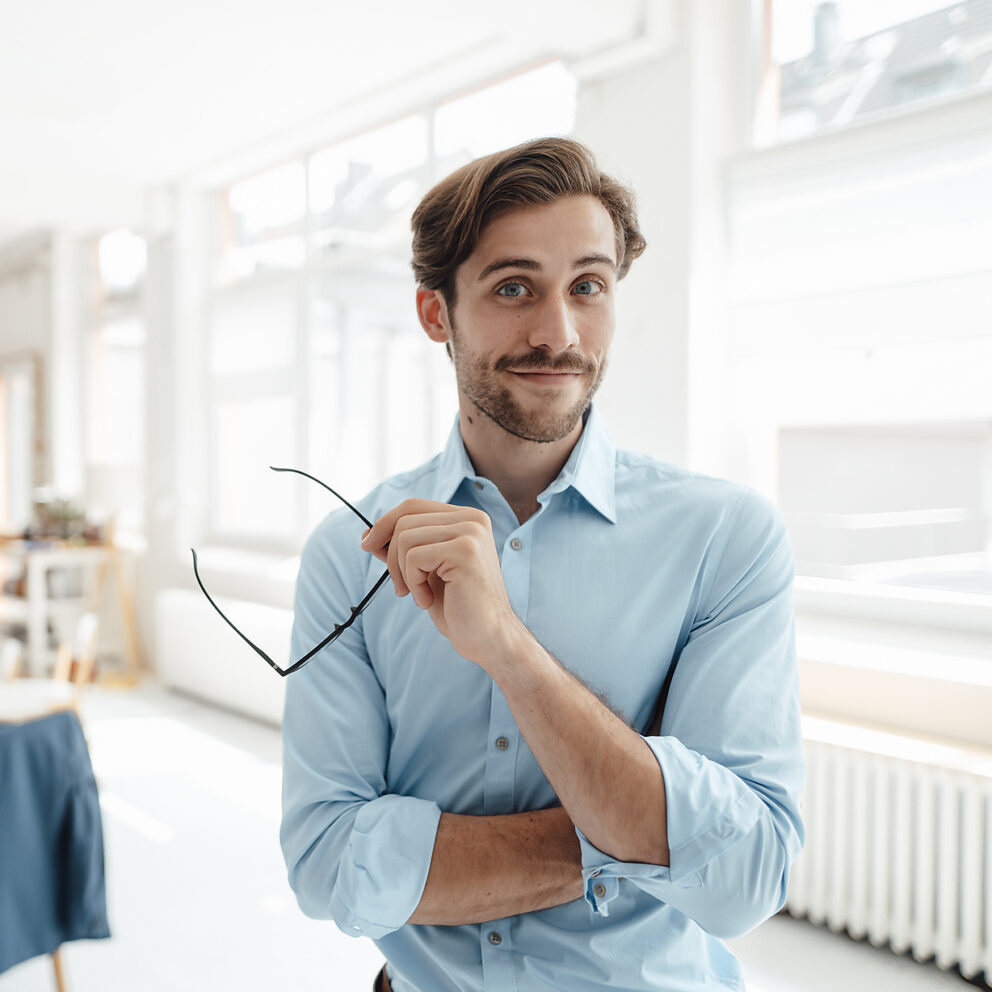
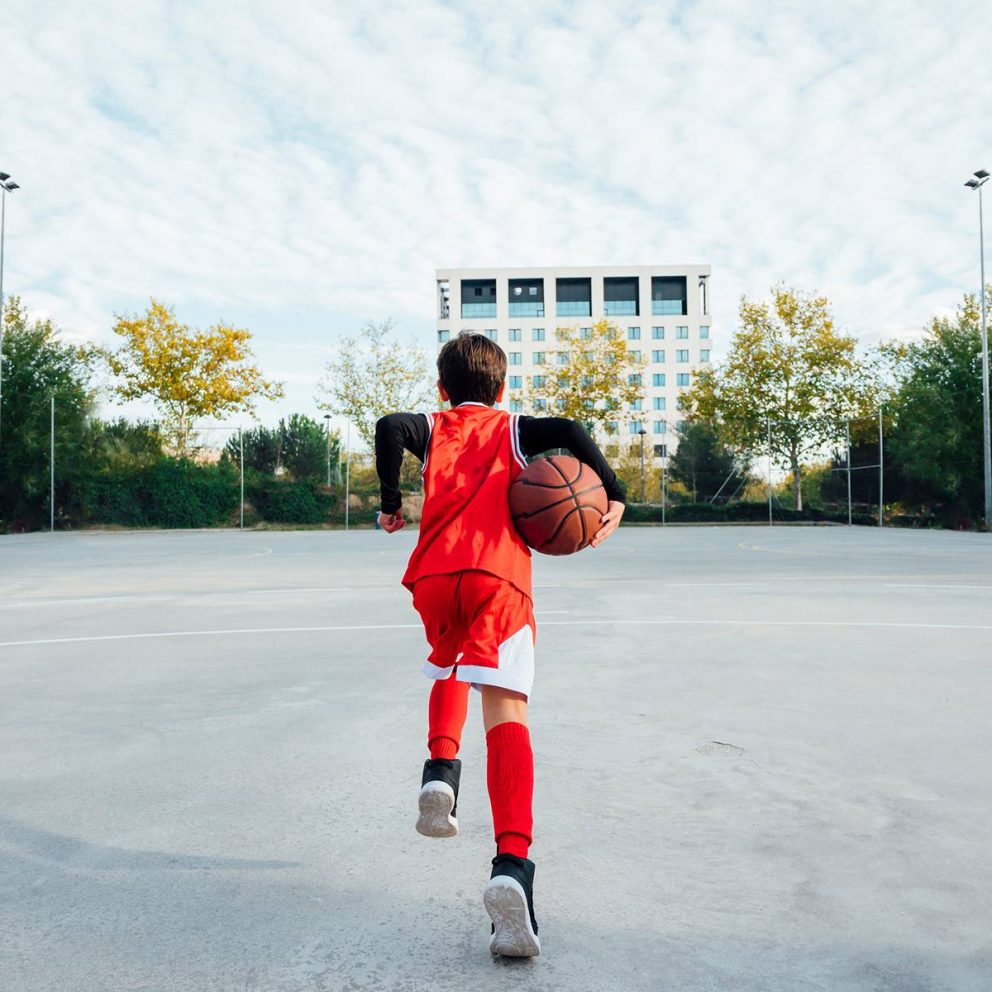
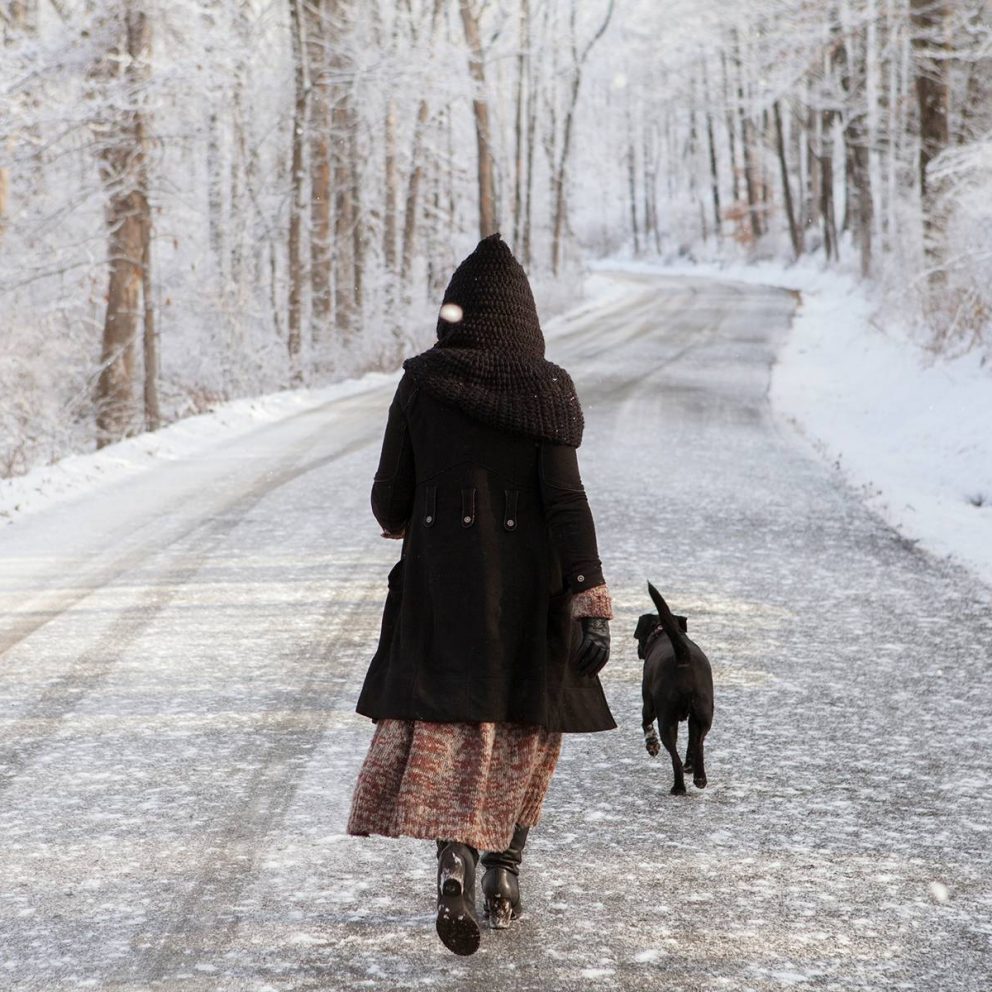
But let’s not get carried away – we don’t want to shoot down the landscape format because our lives mainly take place in it. This also makes it seem more natural to us. If we were constantly climbing trees, we might be a bit further ahead in our choice of perspective. 😉 Nevertheless, storytelling takes place in portrait format. Thinking in 9:16 is certainly still a bit unusual for many photographers, but the change is already noticeable. Recently in the submissions, we have registered an increasing number of images in portrait format. Of course, we have also adapted. The portrait format option is now a fixed part of the briefing for our photographers. This is because our images are not only used as hero shots, but also increasingly for the overall storytelling of companies and brands.
As inspiration, we are dedicating an entire Pinboard to the vertical format today. Here’s a technical tip for searching for images at Westend61: If you are looking exclusively for portrait format images, you will find a corresponding filter function under the “Image formats” option.