Love Yourself: The Evolution of Self-Care
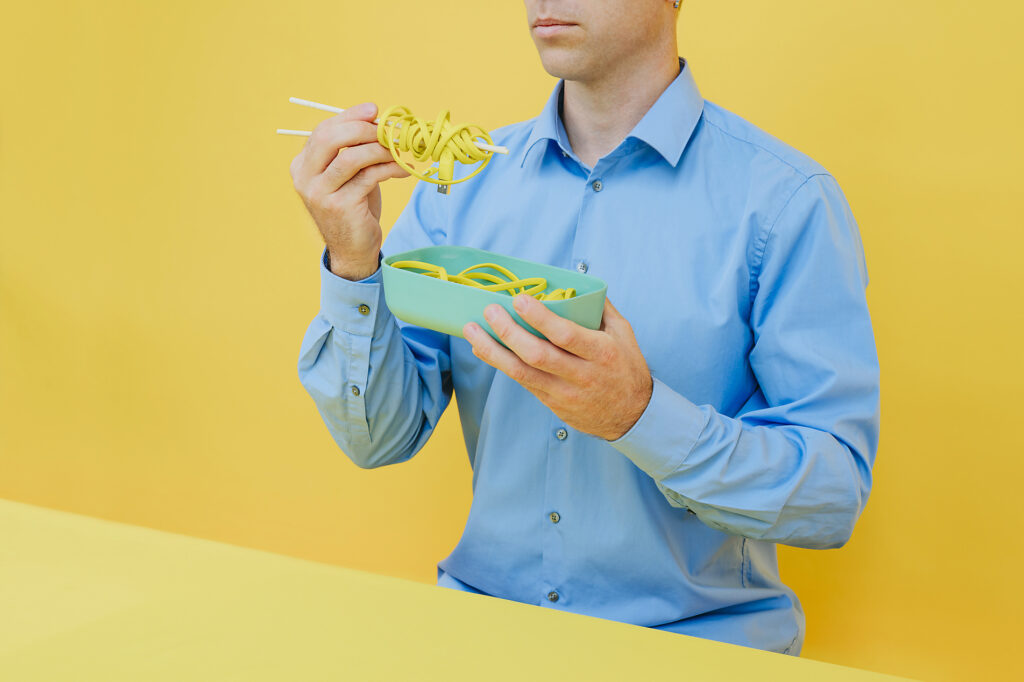
Security in old age, daily life free from stress, and confidence in youth – the megatrend Self-care is permanently a hot image concept in stock photography.
When we reach our late 20s and early 30s, many of us realize how important physical and mental well-being is and recognize that we should do something about it. A healthier diet, more exercise, or even just beginning to think about retirement planning are the typical topics we deal with as young adults.
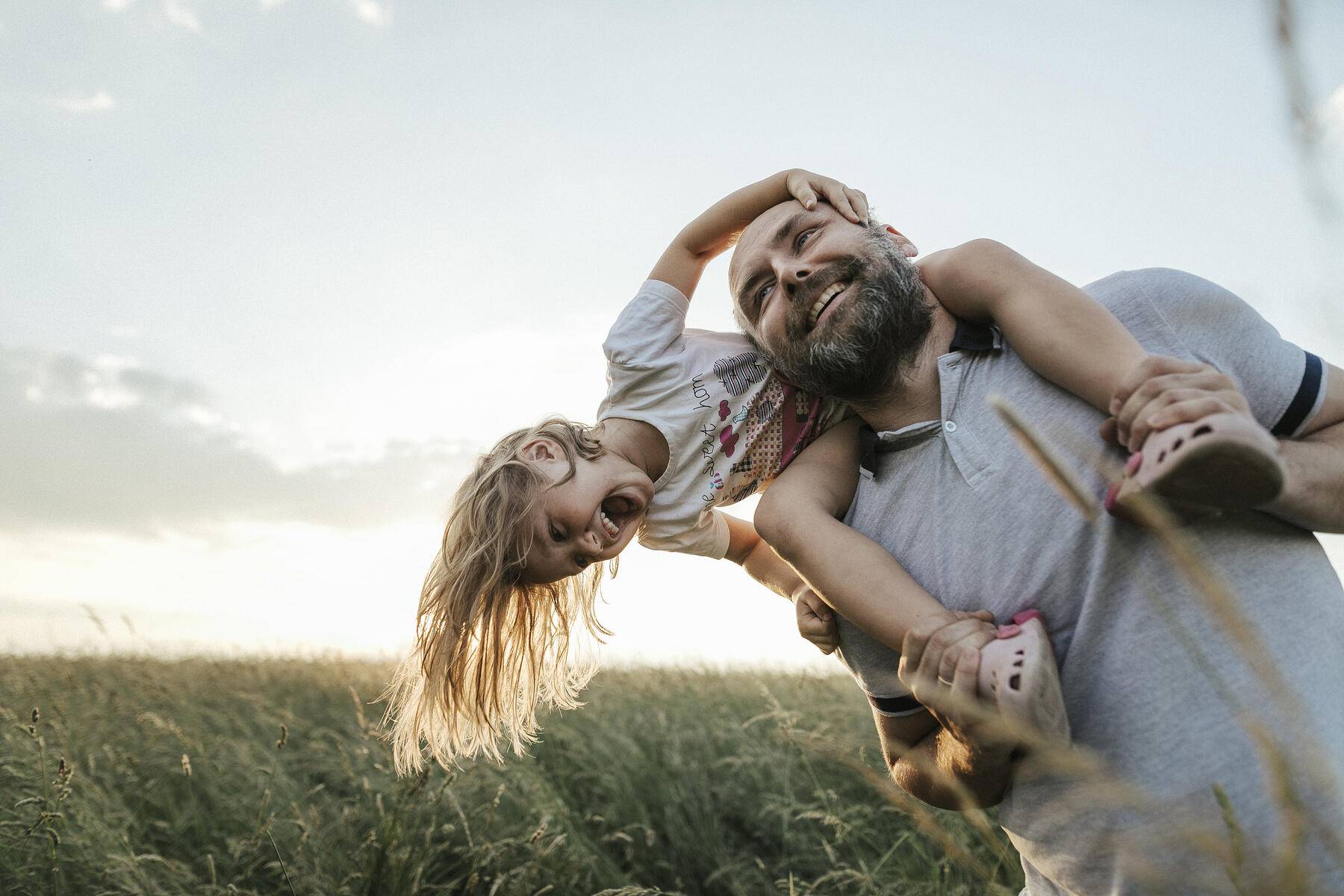
But our own self-care begins much earlier. With our first steps we learn that health care is an important topic for our entire life. We learn about self-care both from our parents and through our own experiences. The classic situation and one of the most striking examples of “learning from experience” is the child putting its hand on the stove.
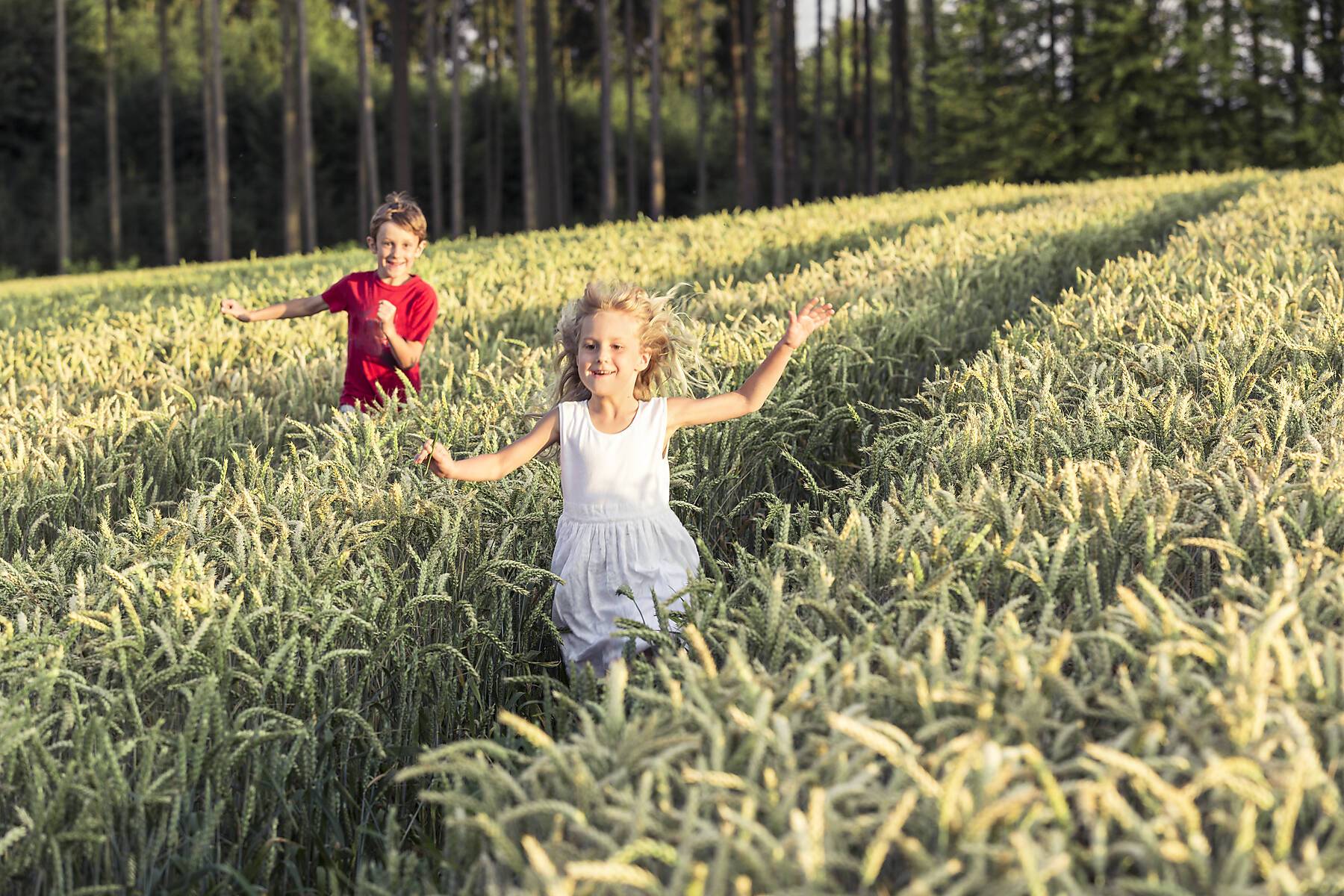
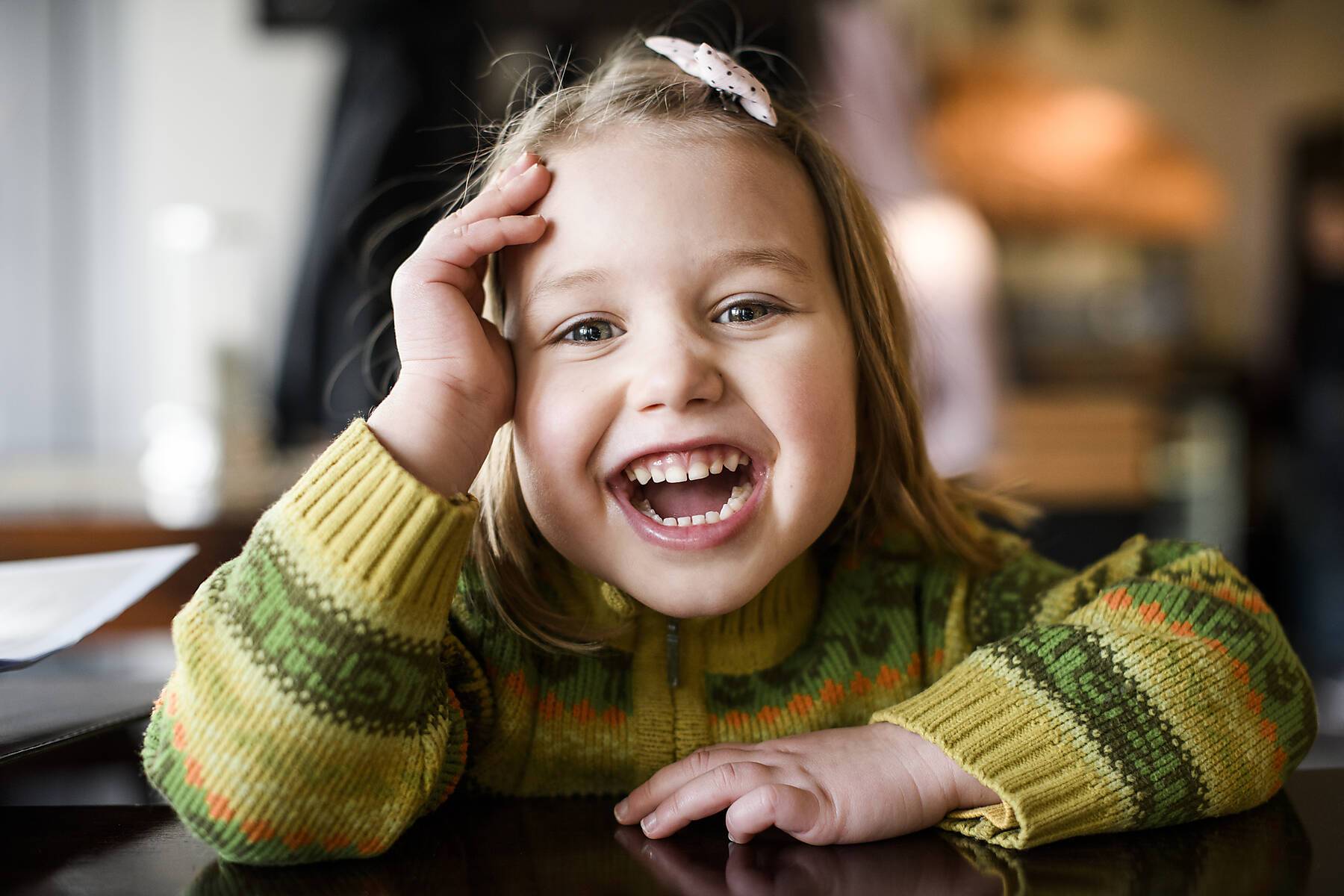
In this context, self-care encompasses all factors that can influence our well-being, from our own motivation to the support of our fellow human beings to external factors, such as access to good medical infrastructure and recreation zones where we can relax, free from the stressors of everyday life. Self-care is a multi-layered topic, offering countless design possibilities for motifs in stock photography.
Find the most beautiful self-care images on our pinboard!
EVEN YOUNG WHIPPERSNAPPERS NEED A BREAK
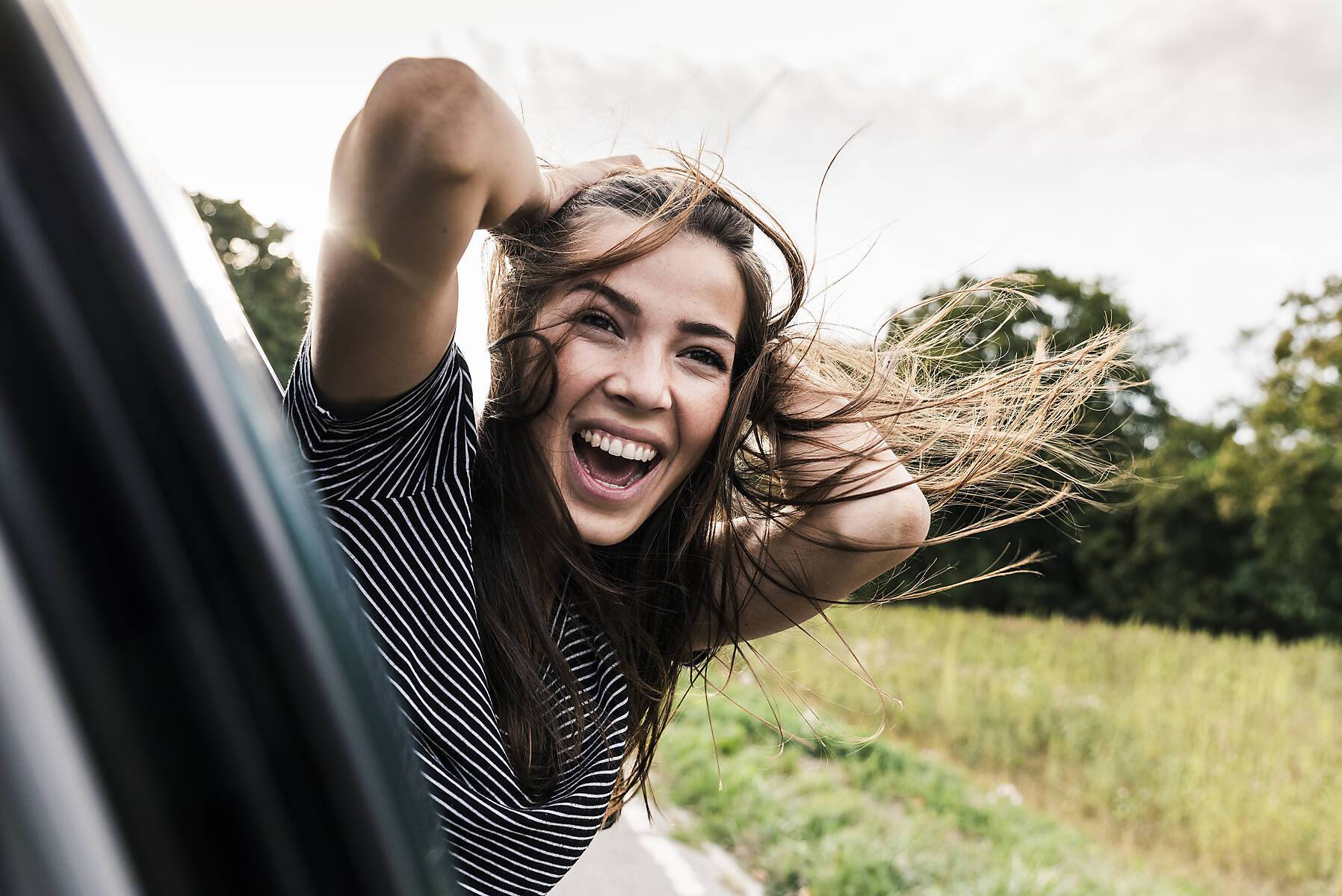
Once the trials and tribulations of puberty are behind us, we usually develop a first kind of mindfulness. It’s after youthful recklessness and carefree carelessness that we begin to perceive our own physical and mental limits and to better manage our energies. It doesn’t matter whether we exhaust ourselves as party animals or as competitive athletes, we still recognize that rest is necessary after exhaustion if we do not want to burn out. Physical action and youthful lightness are a great idea pools for royalty-free stock photography – just think of the many motif variations of jumping or dancing. However, this phase of life is also about enjoying the moment and feeling freedom. Classic motif: leaning out of the car window and letting the wind blow across your face.
BALANCE IN EVERYDAY STRESS
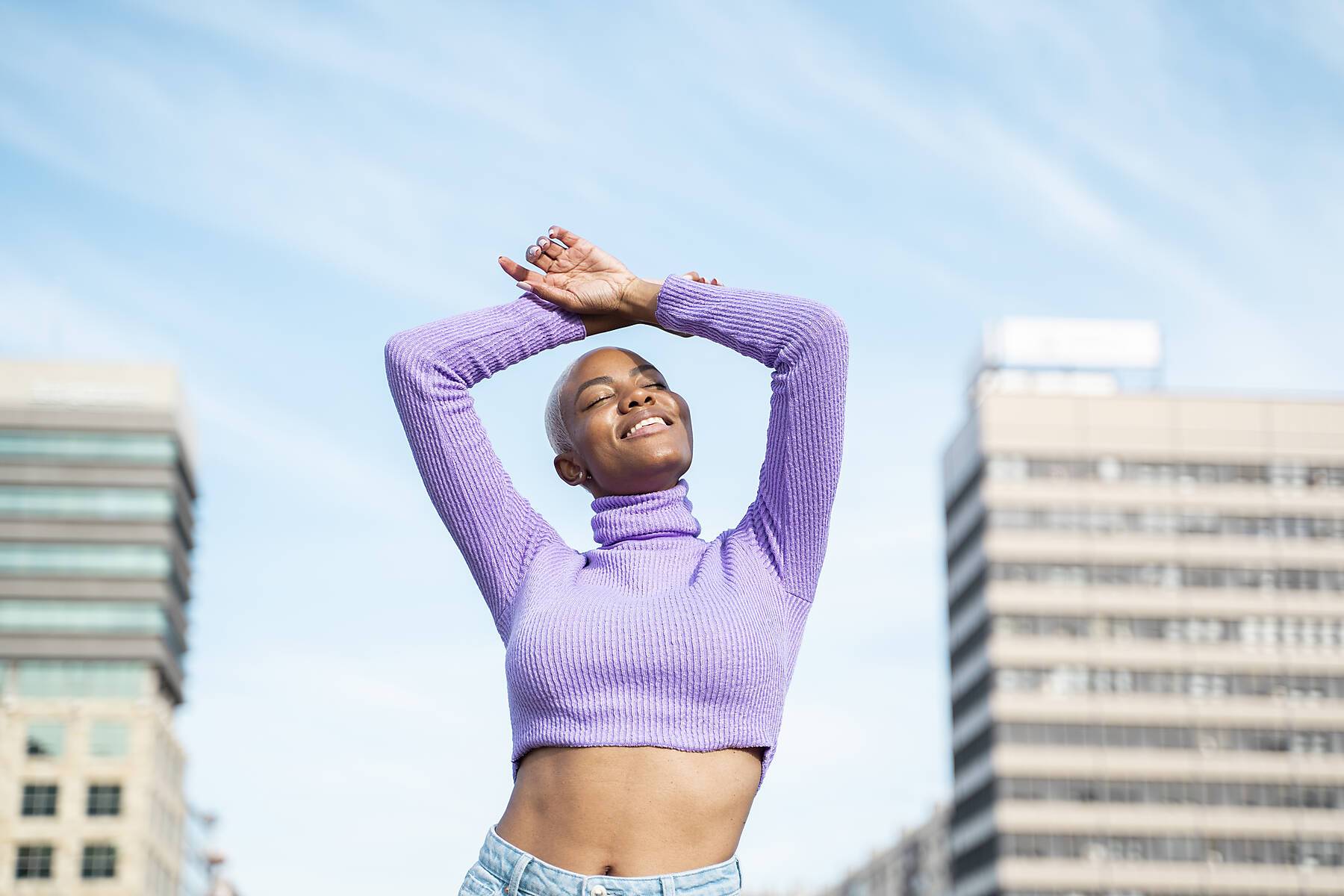
While the early stage of self-care predominantly concerns our physical awareness, we learn to appreciate periods of rest as we grow older. Initial experiences of disillusionment are accompanied by the realization that we have passed our performance peak, and our strength is waning. We need more sleep, are no longer as physically resilient, and now also increasingly perceive the desire for mental breaks.
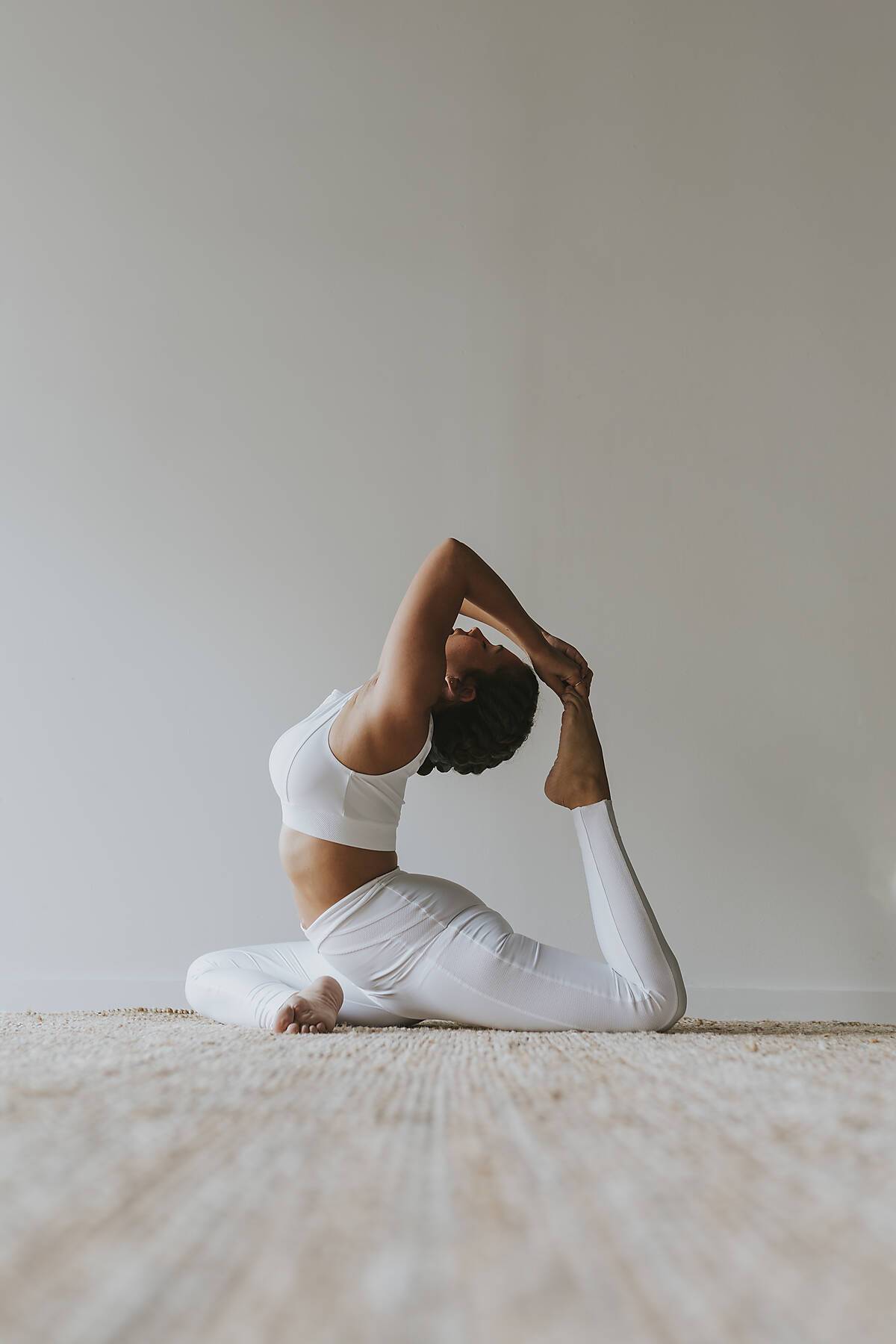
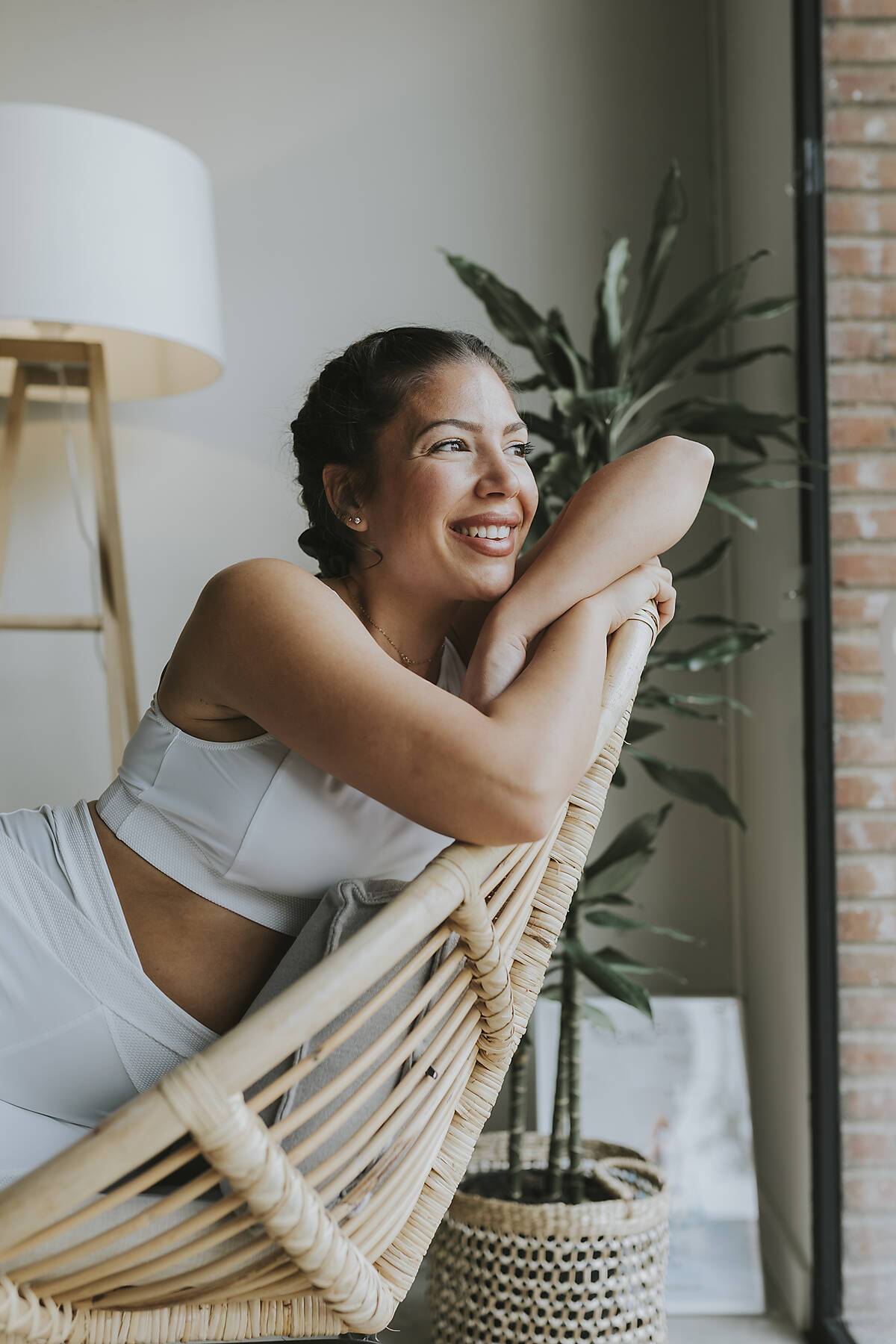
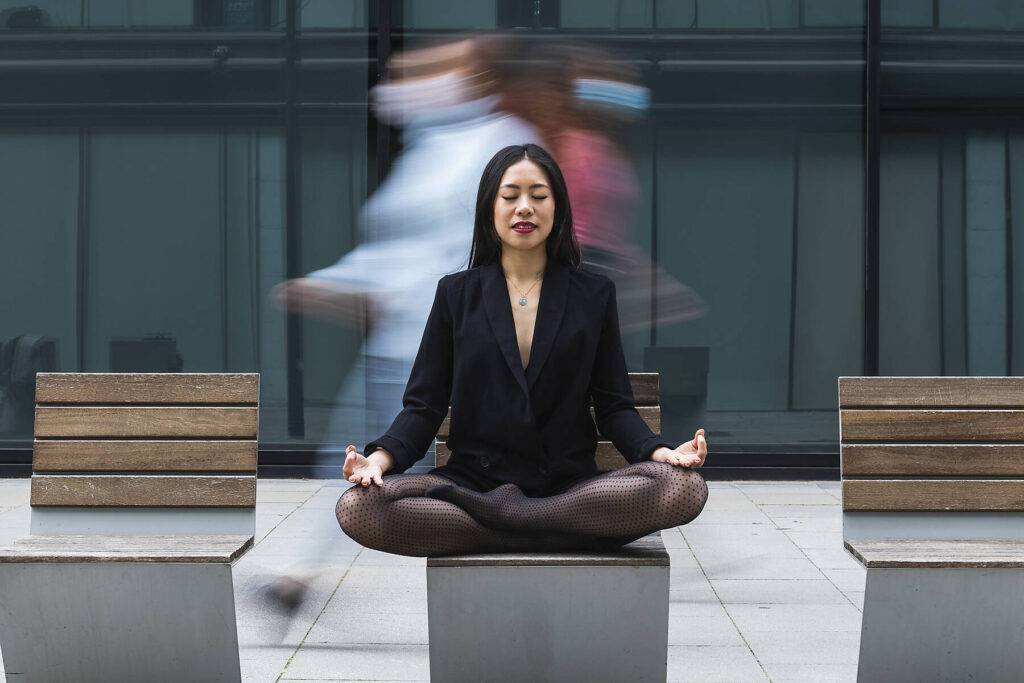
From our early adult years on, with our increasing family and work commitments, we are usually stuck in the hamster wheel of everyday life. Those who do not recognize their stress limits steadfastly pedal toward the burnout trap. Mindfulness, the awareness of one’s own needs and resources, becomes more important at this stage. Mindfulness helps us to process emotions and stressful experiences. Self-care not only helps us to recover from everyday stress, but also to take better care of our own well-being in general. Images of this demanding phase of life depict, for example, good nutrition and beauty care and also like to show the first harbingers of the more mature years, such as that first strand of gray hair. The wild years are over. We become more sedate, wishing for more manageability and less action. Accordingly, the background of such images often shifts from urban to rural areas: welcome to the middle of life.
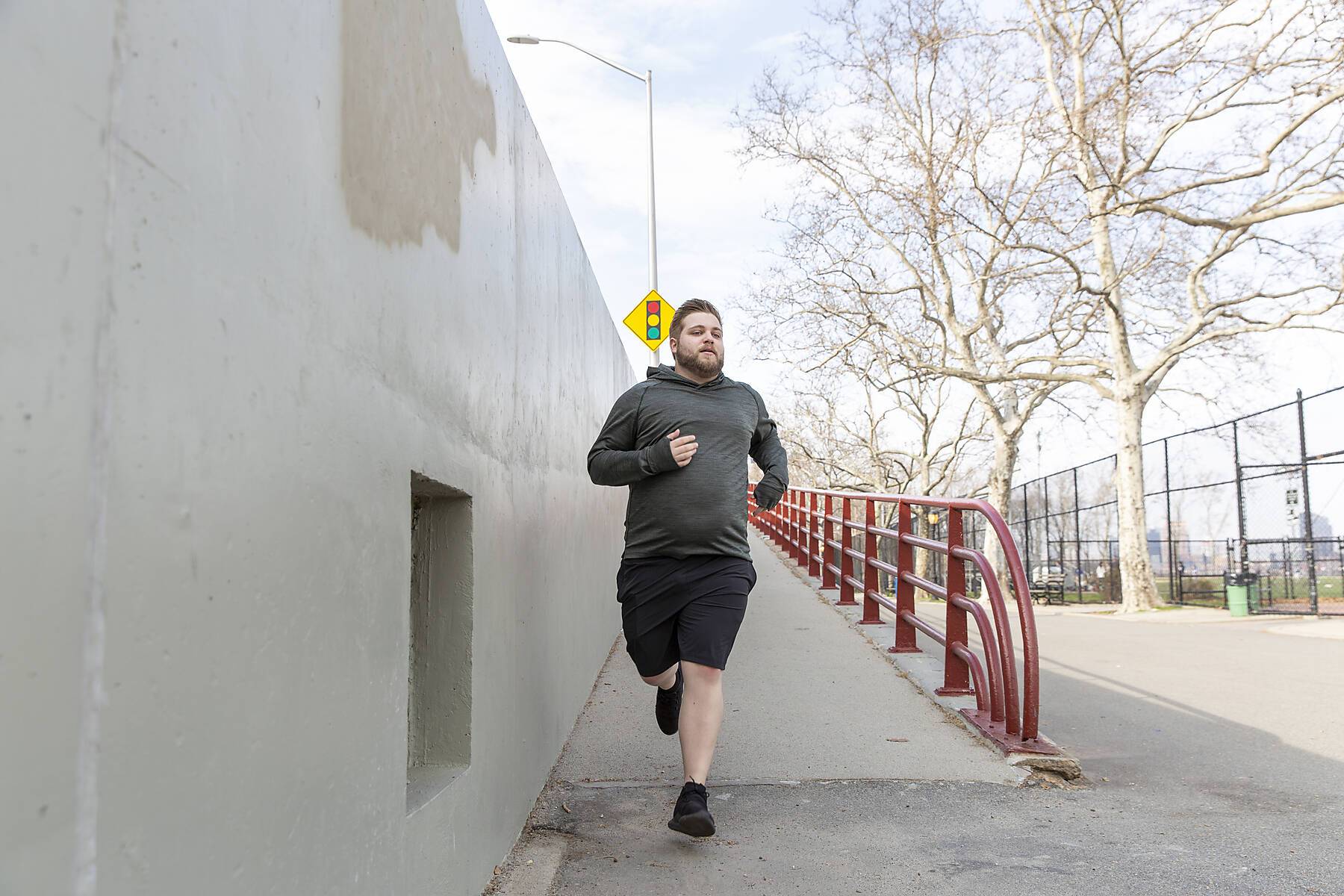
AN IMAGE CONCEPT WITH MANY VARIATIONS
If we’ve done everything right and navigated our way around life’s pitfalls more or less unscathed, then we’re sailing comfortably toward retirement. Those who have dutifully pursued self-care (i.e., those who have also taken the non-financial part of old-age provision seriously) are now reaping the fruits of a busy life. They can take the time to do the things they’ve always wanted to do – provided they’re still healthy, fit, and interested enough to do them.
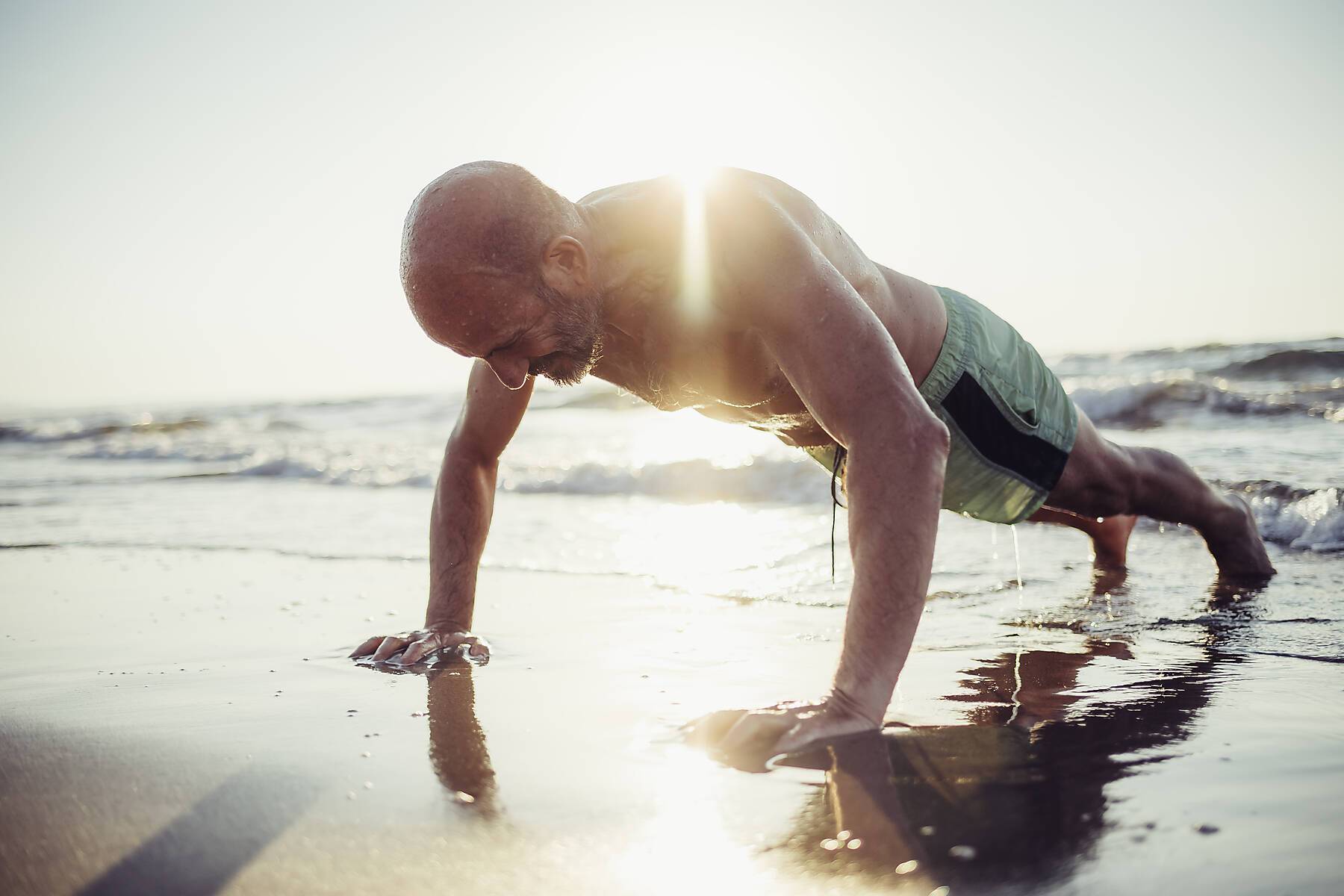
We live in an aging society, and participation and staying active in old age are important issues. Self-care now means staying agile instead of sitting in a wingback chair. Fit elders may no longer be able to jump as high and run as fast as the young sprinters, but they have more life experience and composure, and they can enjoy the supposedly small things of everyday life more easily. That’s why it’s primarily motifs of joie de vivre that depict the theme of “Self-care for the Best Agers.”
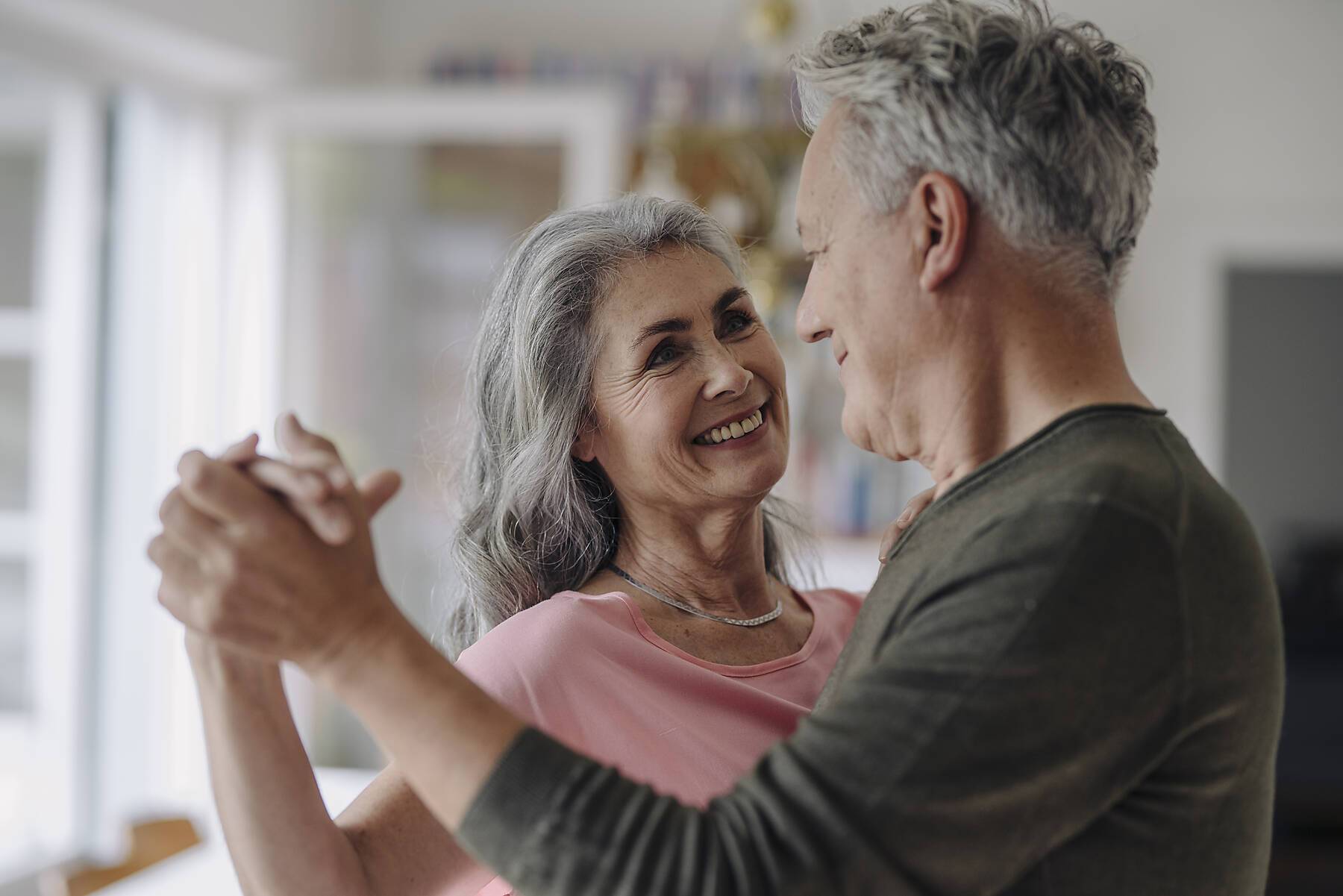
So self-care is a topic that can be incorporated in communication in an extremely versatile way. In the variations described, this image concept can appeal to all age groups. We now have more than 10,000 images on this topic in our portfolio. We have put together a selection of the most beautiful images here on a pinboard. Let yourself be inspired – and don’t forget to take good care of yourself!