Are “smart cities” the key to a better quality of life?
In urban areas, essential issues of our time are coming together: sustainability, economic growth, and quality of life. The question is how to meet these requirements in equal measure. The influx of young people, in particular, into metropolitan areas is continuing. This makes cities idea pools with excellent development potential. The concept of the “smart city” is a challenge for municipalities, but it also offers many opportunities for a more livable city – ecologically, socially, and economically.


The Smart CITY REVOLUTION: A CONCEPT FOR A LIVABLE AND SUSTAINABLE CITY
It’s about much more than how to accommodate all the people in the city. It’s about developing a concept that meets the requirements of environmental protection, quality of life, efficiency, and economy in equal measure. The goal is to transform the smog and dreary anonymity of gray concrete canyons into a livable local environment of self-sufficient and leafy neighborhoods where people know each other and can reach everything necessary within short distances, even without a car.
The concept of the “smart city” is not only of interest to metropolitan areas: the differences between urban and rural areas are becoming increasingly blurred. Cities are becoming “greener,” while at the same time, more and more elements of urban life can be found in rural areas. The knowledge and innovations gained in the cities are not only having an effect there but also in the countryside. The coexistence of technological, ecological, and human aspects makes “Smart Cities” an exciting topic for photography. Here are a few examples:

Are you ready for the city of the future? See more images of the smart city concept.
AWARENESS, PLANNING, AND MOBILITY
The trend toward regionalism and self-sufficiency has made cities “greener. Among the inhabitants of large metropolises, the desire for closeness to nature has become widespread; in addition, there is a need for more transparency regarding the origin of food. “Smart city” means not only technological and digital transformation but also a change in awareness among citizens and administrators alike: conscious and sustainable consumption in a living environment that was not only designed from the point of view of sober utility but also serves the well-being of the people living here. The fact that the young woman holding tomatoes in front of her eyes here for fun feels good in the green oasis in the middle of the city can be seen clearly in this picture by Guillem de Balanzó Pujol.

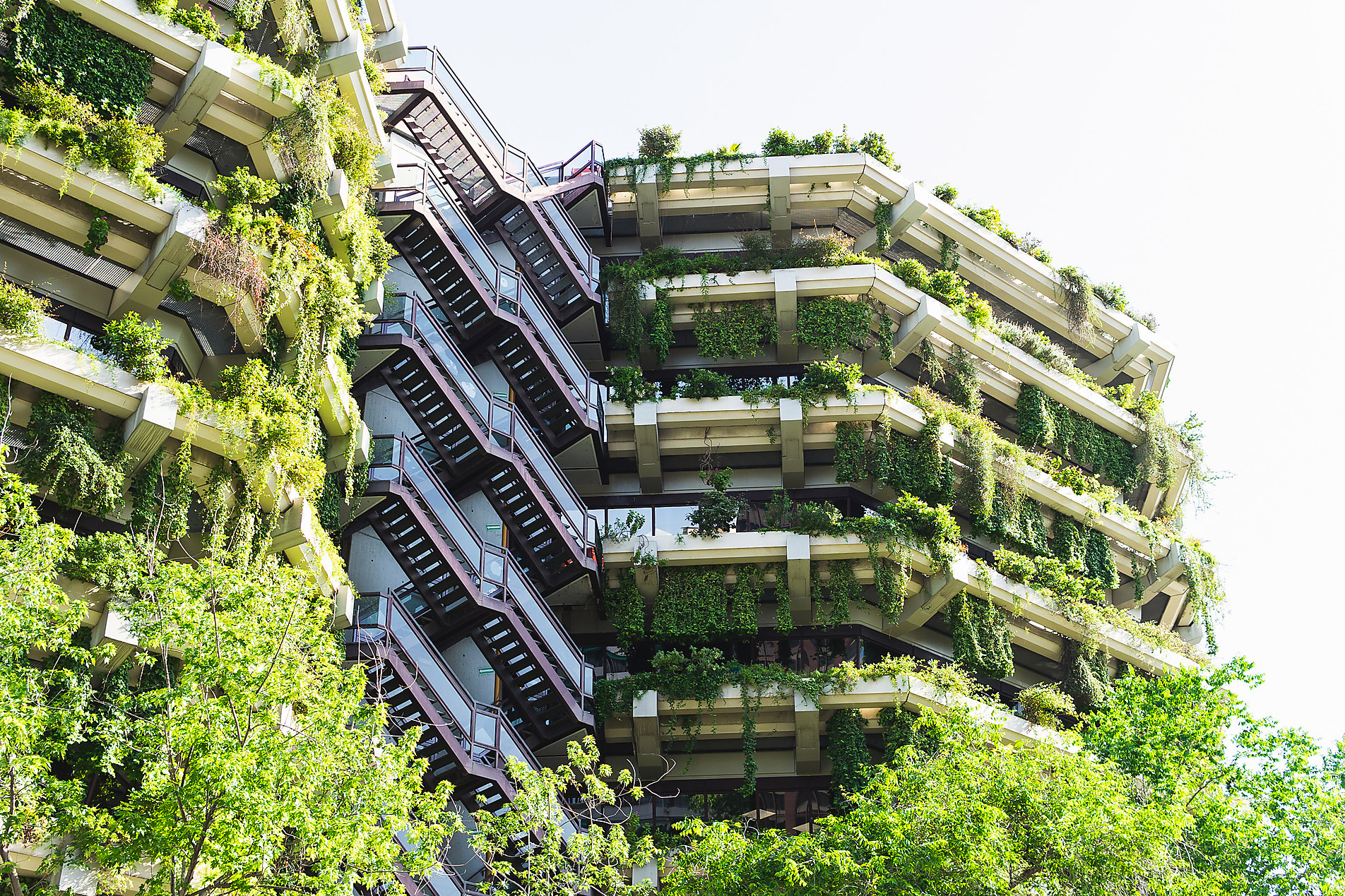
“Smart cities” are not only a task for city governments but also for architects. The climate problem is particularly evident in large cities: metropolises consume 75 percent of the energy required worldwide and cause 20 percent of all CO2 emissions. In addition to reducing harmful exhaust gases, the order of the day is to bring more greenery into cities. And not just because it’s good for the climate, but also because it’s suitable for city dwellers – both in the lungs and for the eyes, as we can well appreciate in this picture by David Munoz: The sober gray of a modern multi-story building immediately appears much friendlier when it is spruced up with lush and randomly proliferating plant splendor.
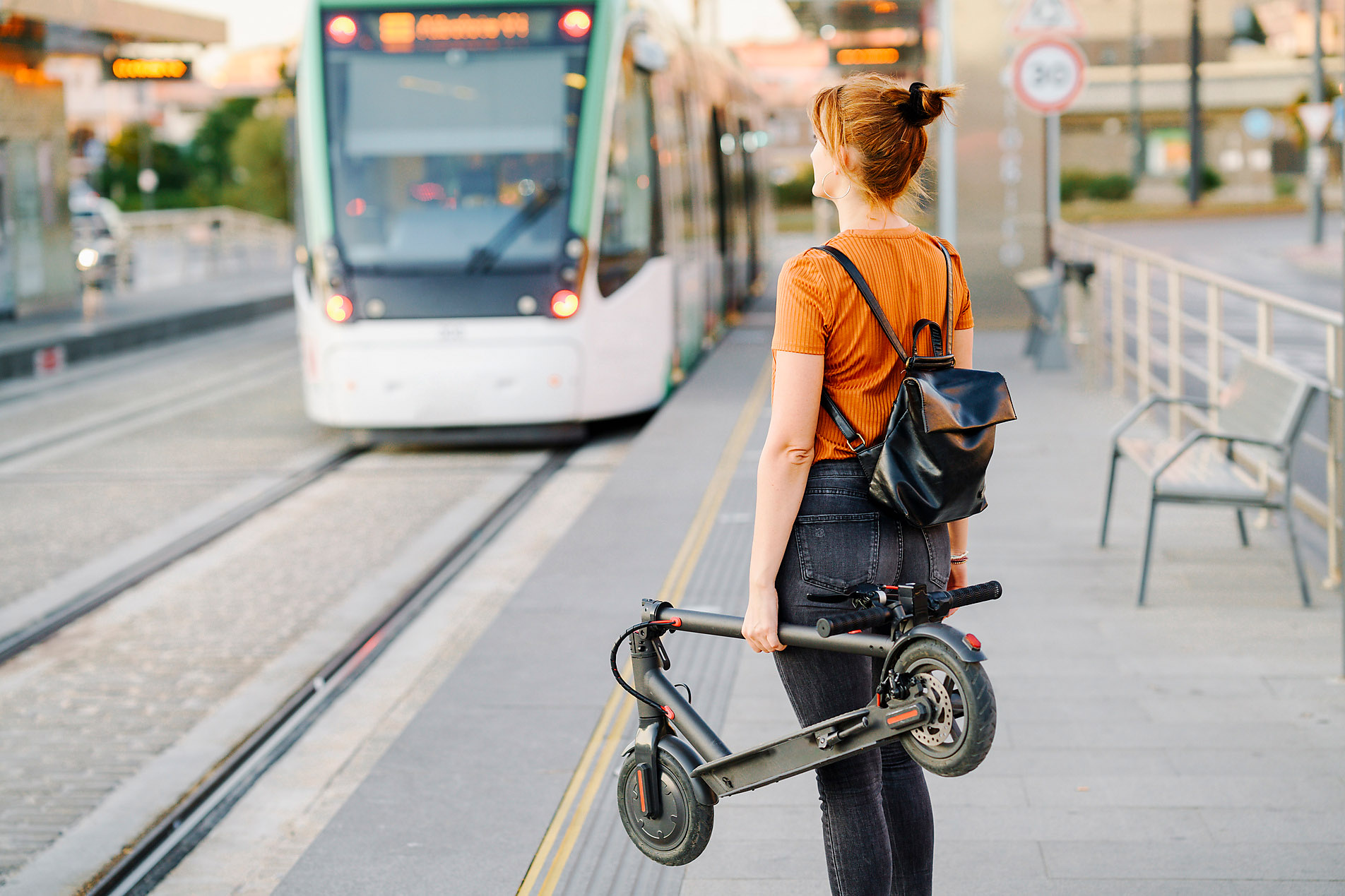
Life in cities pulses non-stop day and night. Mobility and dynamism are core features of urban life. At the same time, we are increasingly approaching total traffic collapse in metropolises in their current form. To make the daily journeys from A to B more relaxed and environmentally friendly, the city of tomorrow needs a new traffic concept, away from dense car traffic and toward environmentally friendly alternatives such as public transport, bicycles, car sharing, or e-mobility. Major cities such as Copenhagen and Amsterdam have long shown how this can look and work to everyone’s advantage. After all, “smart” doesn’t mean being stuck behind the wheel of a car, but relatively gentle mobility, as exemplified by this young woman in Javier Sánchez Mingorance‘s photo.
Getting a picture of the city of the future
“Smart Cities” is a crucial topic for visual communications. Climate protection and sustainability are not just ecological necessities but essential core elements of contemporary and credible corporate communications – and as we all know, this works best via authentic images! At the same time, more and more new business fields are emerging in this sector, where environmental protection and high-tech hand complement each other profitably. Companies that want to help shape and advance ecological change in their region must advertise their concepts – for example, with images from the “Smart Cities” theme area. And the cities themselves must also communicate their future ideas convincingly. This applies not only to their own citizens but also to the competition between municipalities to attract new companies: Before the future can take shape, we must be able to form a positive image of it.