How we work today and why “New Work” is much more than a cool office
Digitalization has fundamentally changed the world of work, and this change will continue. Global networking has not only spawned countless new business models, but it has also had a strong influence on the way we work. Not only the external working environments and conditions have changed, but also the working person and his or her attitude. The term “new work” describes a new understanding of work in times of globalization and digitalization.

The late 1990s and early 2000s were characterized by the digital founding generation and their anything-is-possible euphoria. Work was often still carried out in the old structures, but with ever more rapidly developing technical innovations. However, information overload, work intensification and acceleration, and permanent change also led to rising stress levels among employees. The result was an increase in mental illnesses due to occupational overload. The high burnout rate led to a gradual rethinking in many companies. Employees, with their experience and skills, began to be seen not only as a cost factor, but also as a valuable asset that should be treated with care in order to maintain their working capacity and motivation for a long time.
More creativity instead of pressure and constraint
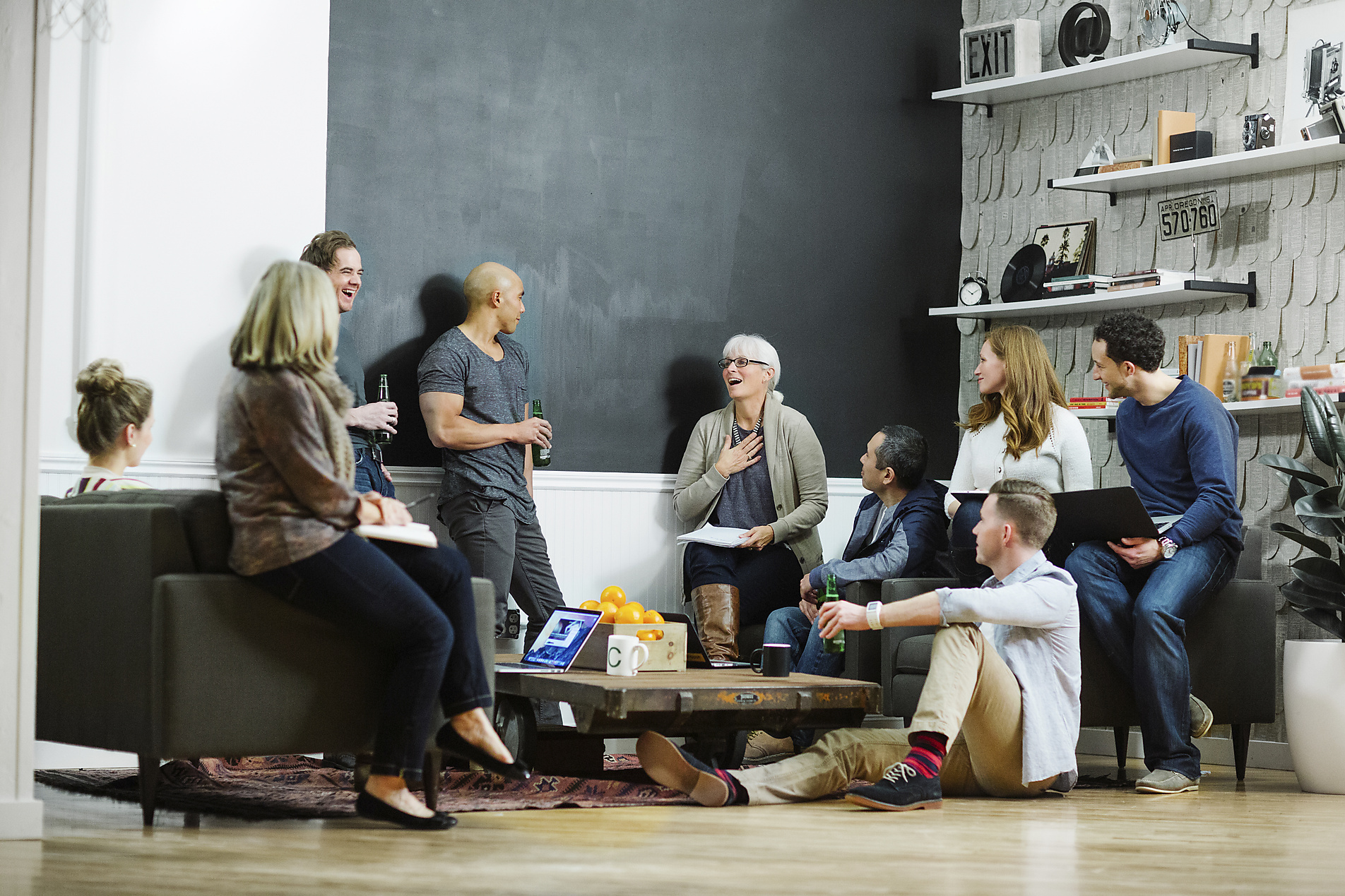
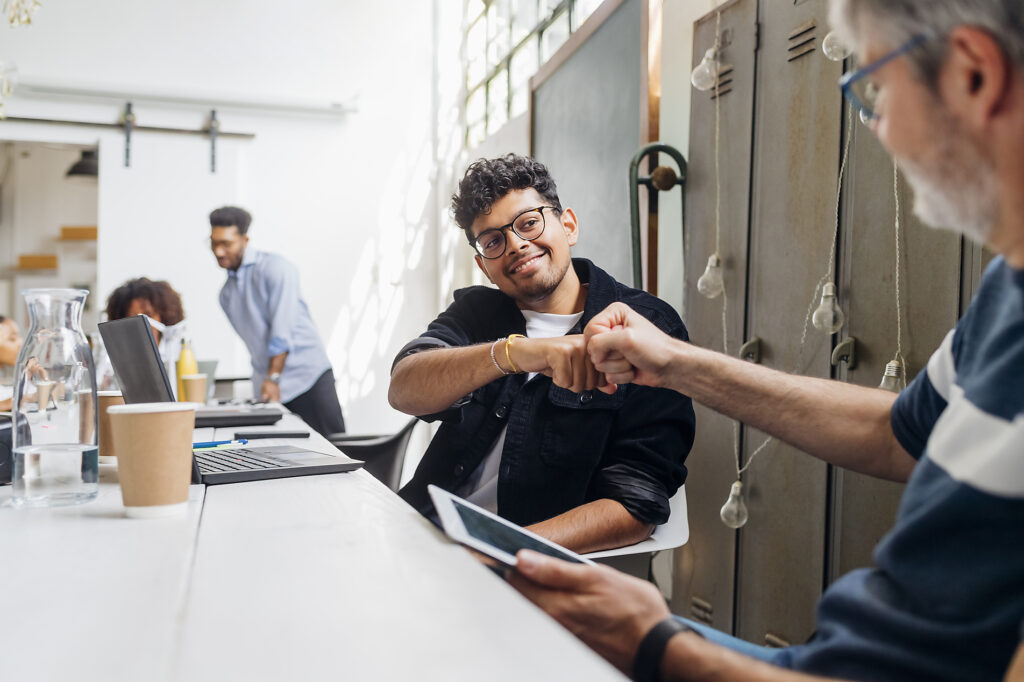
The result is a trend toward mindfulness in professional life. This also includes a new understanding of employee leadership, which is expressed in flatter hierarchies. A modern style of leadership allows extended scope for employees to develop their skills and better exploit their potential. The promotion of creativity takes the place of pressure and constraint. Contemporary leadership competence is no longer simply redirecting and reordering, but also embraces values such as empathy, compassion, and sensitivity for people in all their diversity.
YOU CAN FIND EVEN MORE PICTURES ABOUT “NEW WORK” IN OUR WEBSHOP!
In addition, the generation of “digital natives” has now entered professional life, bringing with them changed ideas and expectations about jobs and careers. Instead of the best possible salary and a steep career, many young people would rather have a good work–life balance and a job that not only feeds them but also gives them a sense of purpose.
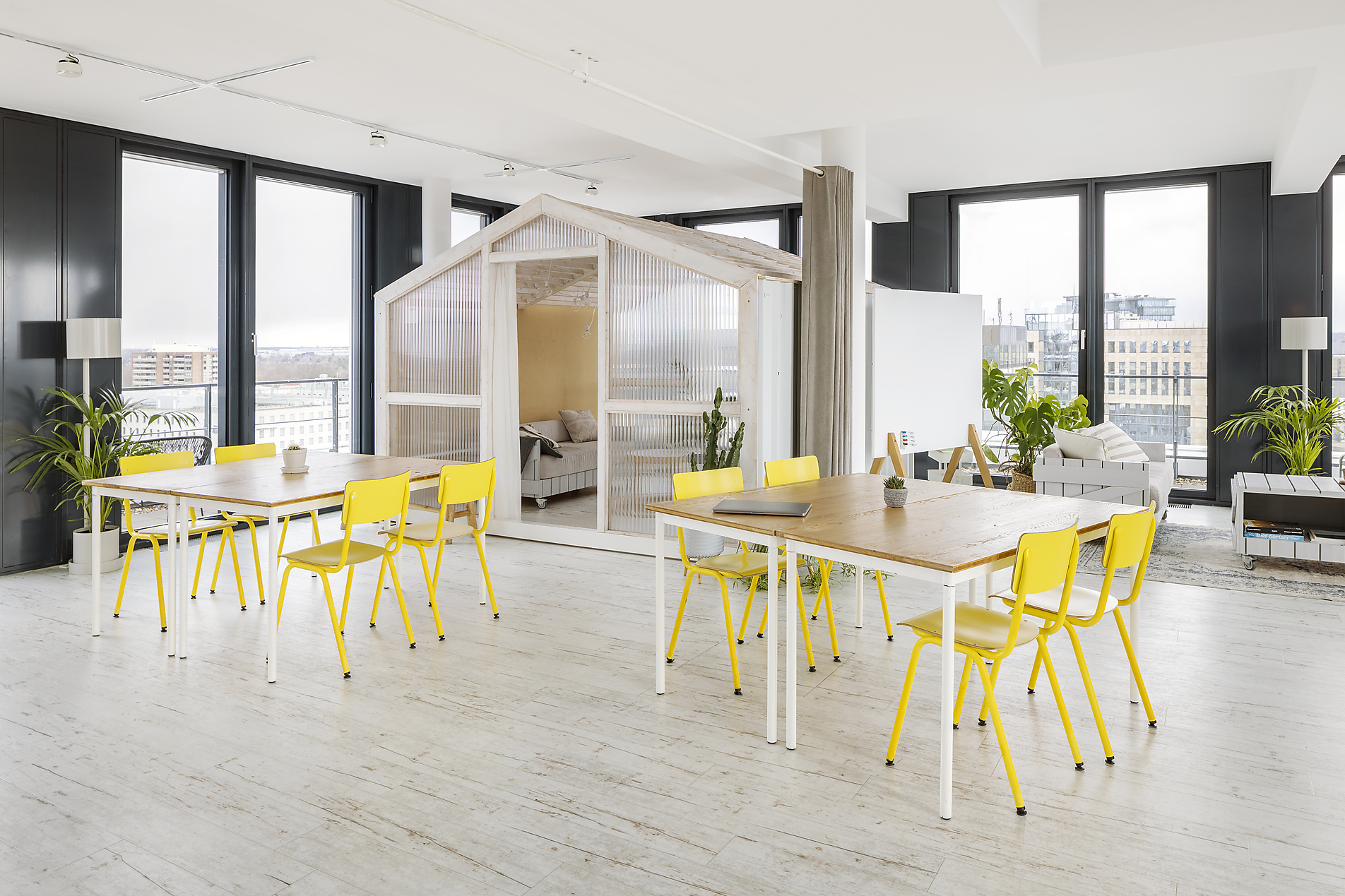
Sustainability becomes an assessment benchmark
At the same time, many companies are focusing their corporate philosophy on sustainability and responsibility. This is a response to increasingly critical consumer awareness. Today’s buyers want to be perceived not simply as consumers, but also as personalities with needs that go beyond the fulfillment of purely material consumer desires. Entrepreneurial responsibility is not only urgently needed from an ecological point of view, but it is increasingly becoming a benchmark for assessing the public image of companies, meaning it is an important prerequisite for economic success. After all, approaches to solving global problems, such as climate change, and selling products with a social and sustainable mission can also be profitable. Determination and economic success remain central values of entrepreneurial activity, but not at any price nor at the expense of responsibility, transparency, and fairness, but in harmony with them.
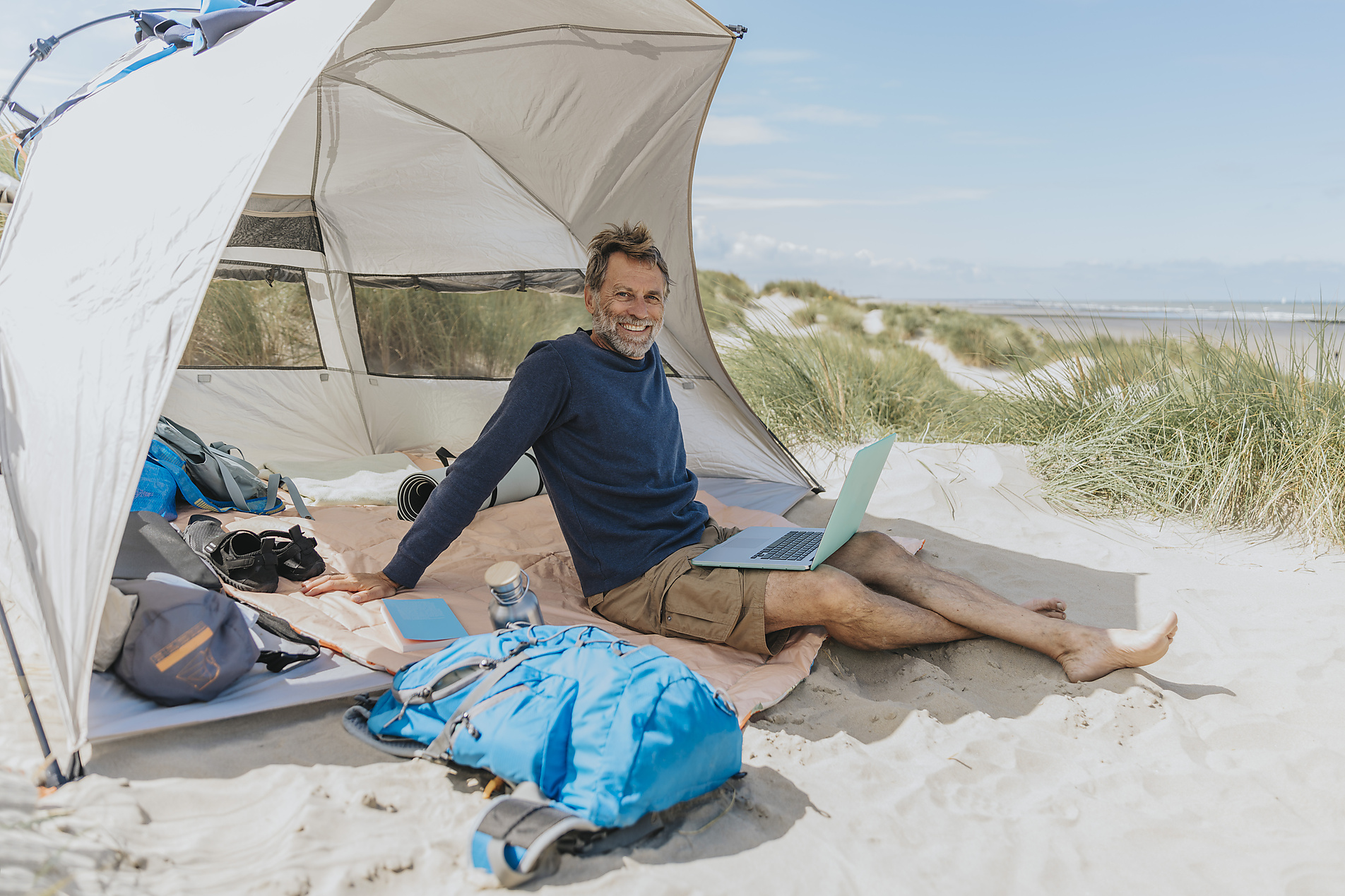


The desire for a sense of purpose in one’s own actions was intensified for many people by the Covid-19 crisis. At the same time, this situation revealed the vulnerability of globalized economic cycles. It became clear, for example, from disrupted supply chains how far humanity is now dependent on globally networked structures.
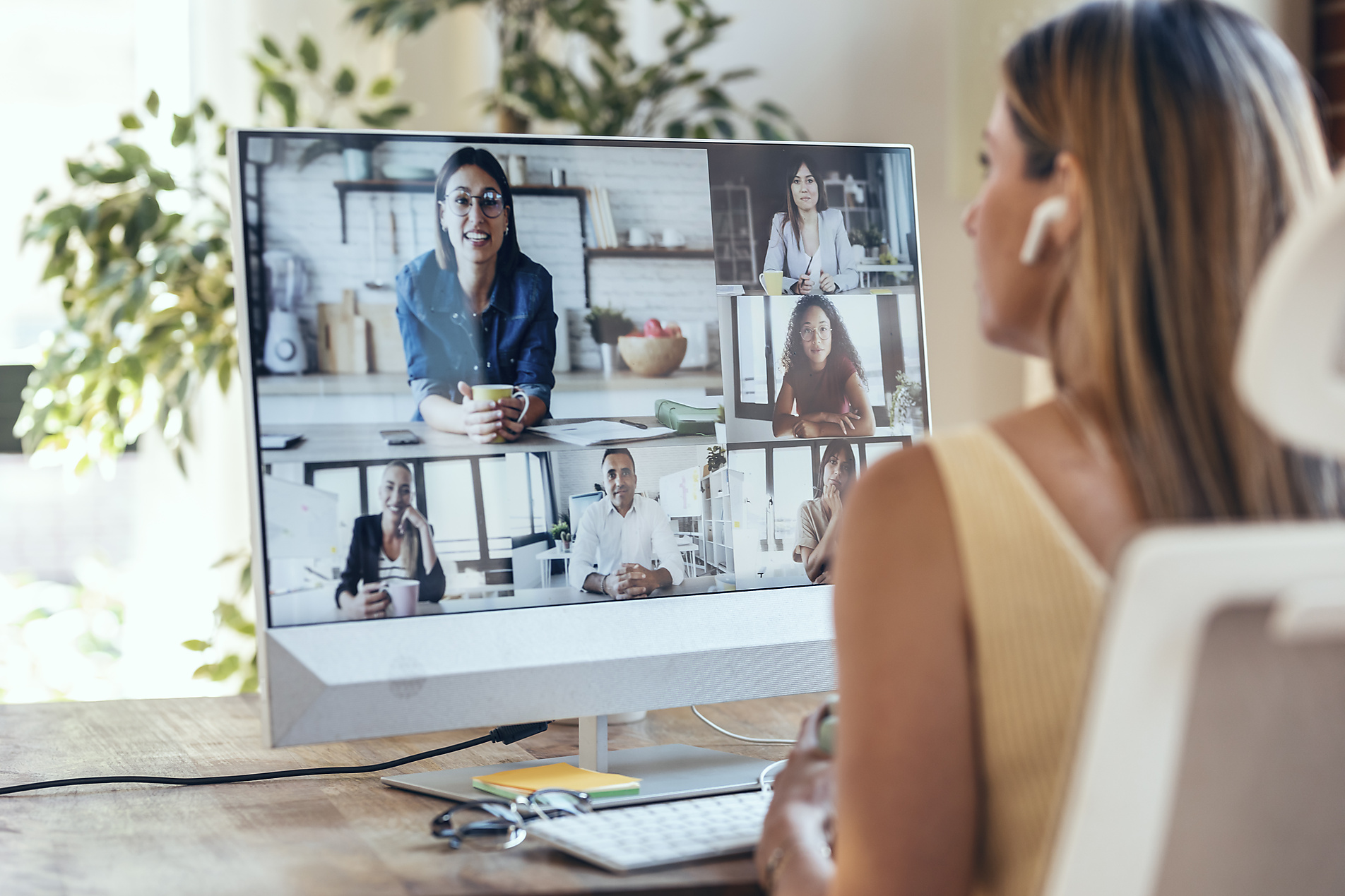
At the same time, however, the lockdowns and contact restrictions also acted as drivers for the many possibilities of working remotely. Home offices, which until then had been rather underdeveloped in Germany especially and outside the IT sector, were tested across the board under the pressure of events and became socially acceptable. It was high time, because digital networking in many industries has long since made it possible to work from almost anywhere in the world, provided Internet access is available. So today’s work does not necessarily have to take place in an office. Profound changes are also underway in the manufacturing sector under the banner of “Industry 4.0.” Automation is continuing, and robots that can relieve people of strenuous or unpleasant tasks are no longer a vision of the future. The classic nine-to-five job is increasingly being replaced by flexible working time models, especially in more highly qualified areas of activity, and previously clear boundaries between work and leisure are dissolving.


Having the flexibility to react to crises
People and their structures not only benefit from the almost limitless possibilities of the digital age, but they are also exposed to new stresses and risks as a result. Resilience in the face of crises and disruptions becomes more important in a world in which sometimes one piece of bad news seems to chase the next and in which everything seems to be constantly changing. This is true both for the individual and for the institutions people have devised. And it is especially true in the world of “new work,” where new forms of work are emerging, and structural changes that pose major challenges to employees are taking place.

Psychology has coined the term resilience for this flexible ability to react to crises. This term describes another important trend of our time. For employees, this means learning to deal with the stresses of the modern working world in such a way that they maintain their mental and physical health. Making sense of one’s own actions and strengthening self-responsibility at work are important prerequisites for developing this ability. And, of course, company managers must also face up to their responsibility for the well-being of their employees.

Humans remain the driving force despite robots
When applied to companies, resilience means organizing one’s own business model and processes in such a way that one can react flexibly and constructively to unexpected changes or difficulties. A current example is the problem of rising energy prices as a result of the Ukraine war. In addition, companies are often under pressure from customers, employees, or even shareholders. They are increasingly measured by how they fulfill the expectations placed on them.
The upheavals in the modern working world have many faces, literally, because the driving force is and remains the human being. How people organize the existential core area of work in its new manifestations is an exciting topic for stock photography. So take a look at our Pinboard on this.