In between the big city and the potato patch
How many districts does Berlin have? 12? Wrong! For those who haven’t noticed, there are 13. Ever since filmmaker Lola Randl revitalized and inspired a small village in the tranquil Uckermark region with big-city culture, the hip big-city crowd has been making its way to northern Brandenburg every (summer) weekend. Back in 2018, the Berliner Tagesspiegel reported on this sometimes somewhat bizarre symbiosis of rustic rural traditions and urban–cosmopolitan sophistication.
The hipster dream of country life
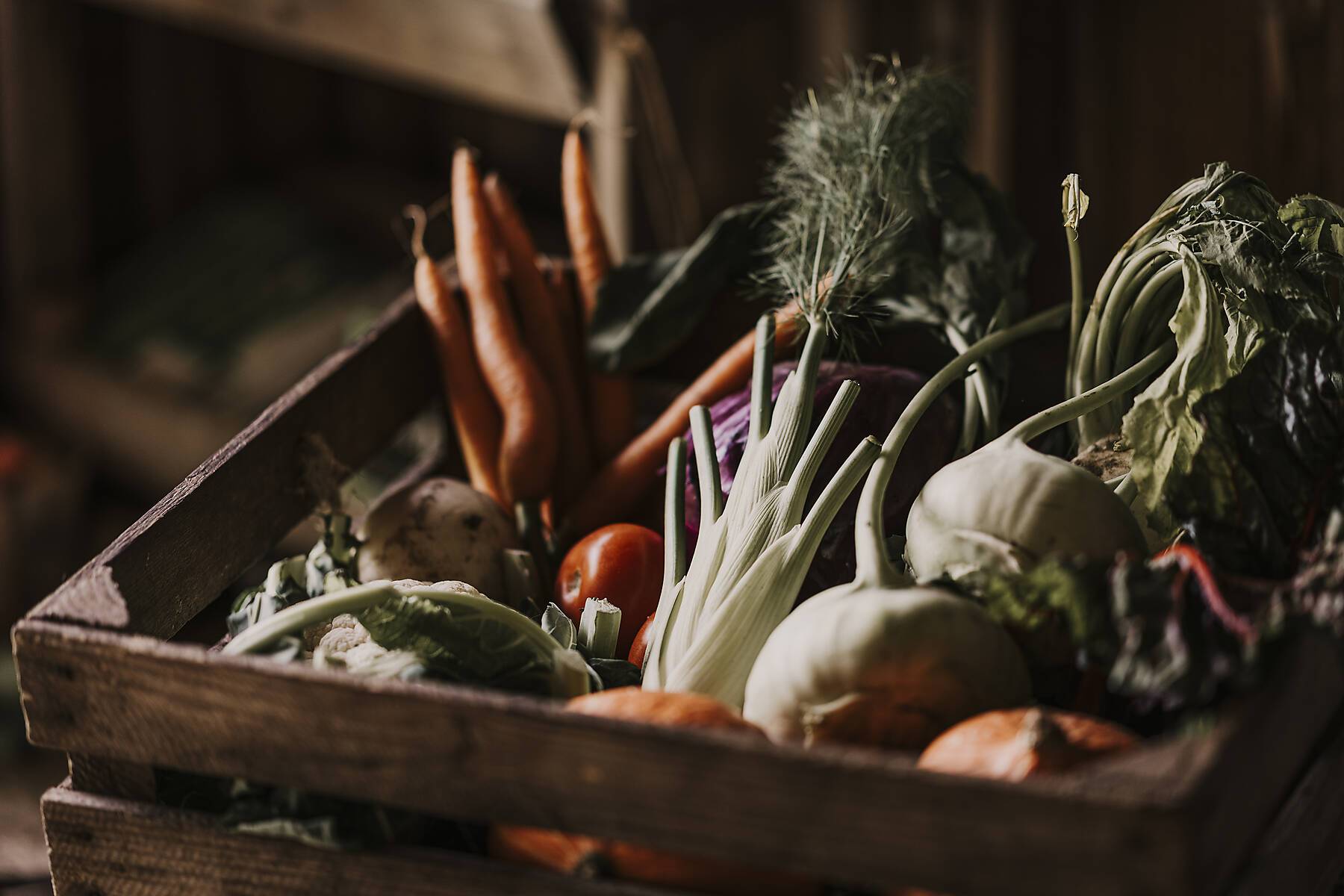
The scenery in this place called Gerswalde sometimes resembles images from a magazine or seems to be an Instagram account made real. Every moment seems thoughtfully arranged; every potato sensitively massaged into the soil by hand; and every flower arrangement tied with mindful, accurate deliberation. The modern design kitchen matches perfectly with the old country house – this is what country life idealized through the rose-colored glasses of city dwellers looks like.
From the vegetable box directly to the pinboard!
How did I come across it? Admittedly, Gerswalde was not known to me until recently. My knowledge of Berlin ends at the borders of the Friedrichshain-Kreuzberg, Neukölln, and Mitte districts. Nevertheless, I have had a romantic image of the Uckermark for a long time. It has to do with my passion for cycling. As a Hamburg resident by choice, trips on two tires are my personal form of city escape. And cyclist friends have told me that the Uckermark is supposed to be a paradise for knights on their two-wheeled steeds. So this idea of this region as a place of longing has taken root in my mind. I want to go there because, after all, the eye always eats as I pedal along on my tours. Reading Saša Stanišić’s novel set in the Uckermark region, Vor dem Fest (Before the Feast), did the rest to fuel the desire. But I haven’t been there yet; Alpine passes and Iberian islands have tempted me more. But someday I must go there. As we all know, postponed is not canceled.
It was time for a self-experiment
The news of the rural hipster El Dorado of Gerswalde reached me just at a time when I was a little infected by the rural exodus virus. It certainly had something to do with the other, more unpleasant virus that had us all restricted for so long and had caused the four walls of many people’s city apartments to close in around them. So I started growing lettuce, carrots, and chard in my own little vegetable garden. To escape the sometimes claustrophobic atmosphere of the big city, my family and I took up residence in the Hamburg countryside in a village in Lower Saxony.
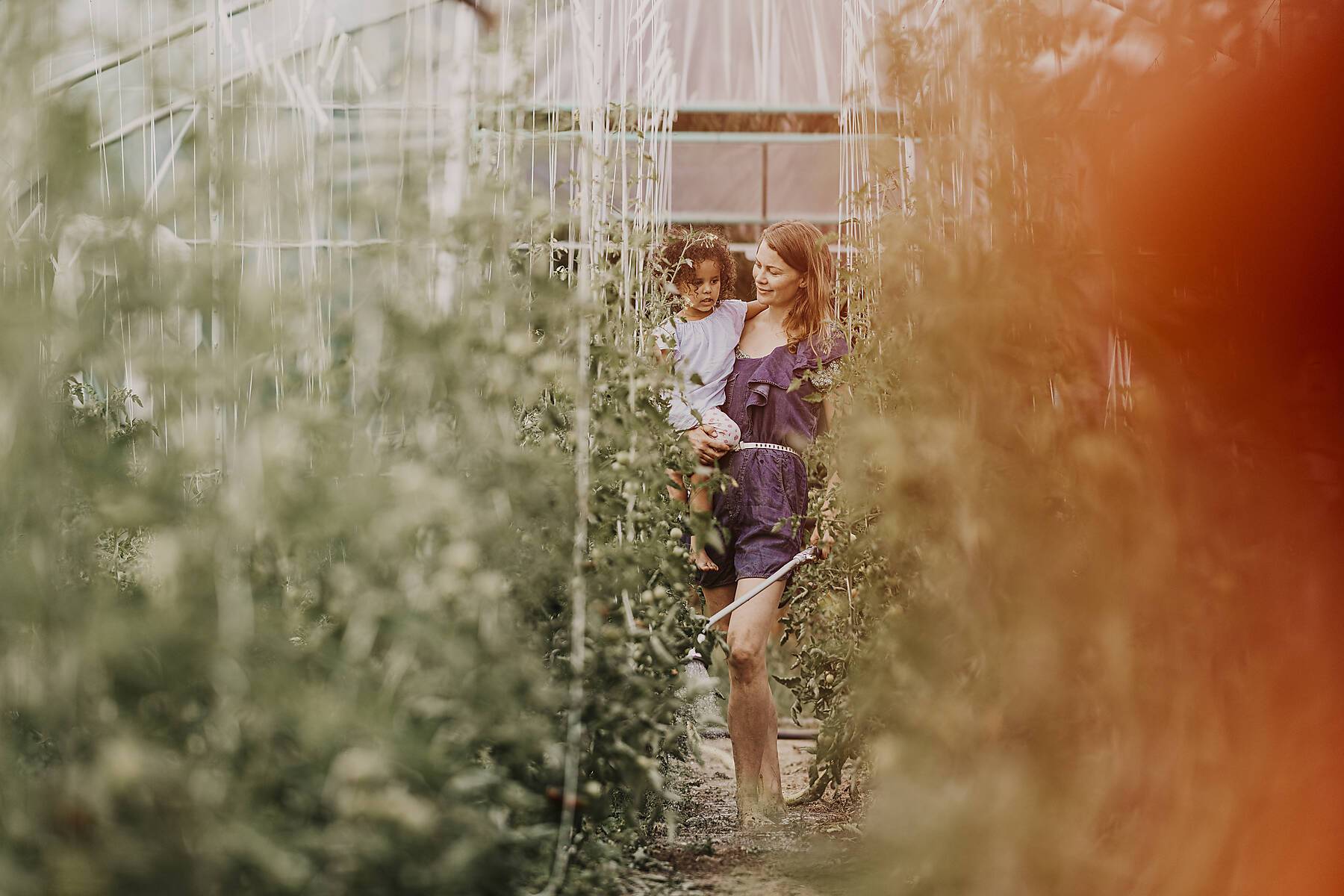
It was an experiment. I’ve lived on this planet for 34 years now, about 15 of them in the big city. Now I’d like to try the stark opposite and not miss out on this experience – after all, you only live once. What can I say, I have completely embraced life in the country. Now I drive a tractor instead of a streetcar, and I diligently dig potatoes every morning. I’m learning what it means to live with the land, learning from and about rural life. I get to know people who quickly find creative solutions when something doesn’t work out. Sometimes, however, I also miss the lively diversity, lively exchange with others, and big-city hustle and bustle of Hamburg.
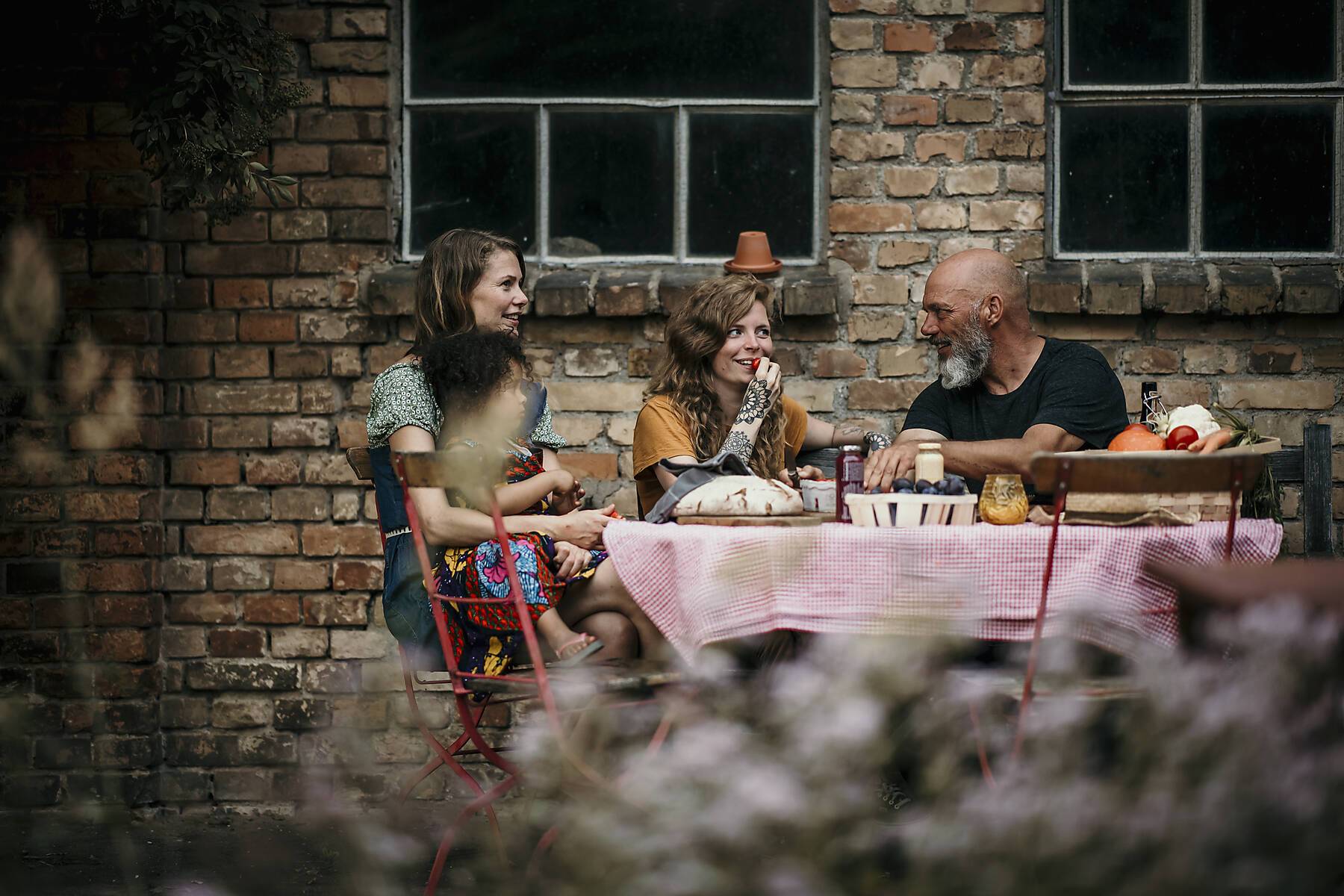
Finding one’s place between city and countryside
Maybe I haven’t quite found my place between the country and the big city yet, but I want to keep trying to reconcile both ways of life. Having friends from the city visit and then serving them up home-grown potatoes is already a good start. And I have discovered, it doesn’t have to be Gerswalde. Instead it should be a place where you realize that the daily Flat White for 3.60 euros is not the subcultural all-rounder after all. I appreciate more the peace and quiet and self-sufficiency of this new way of life.
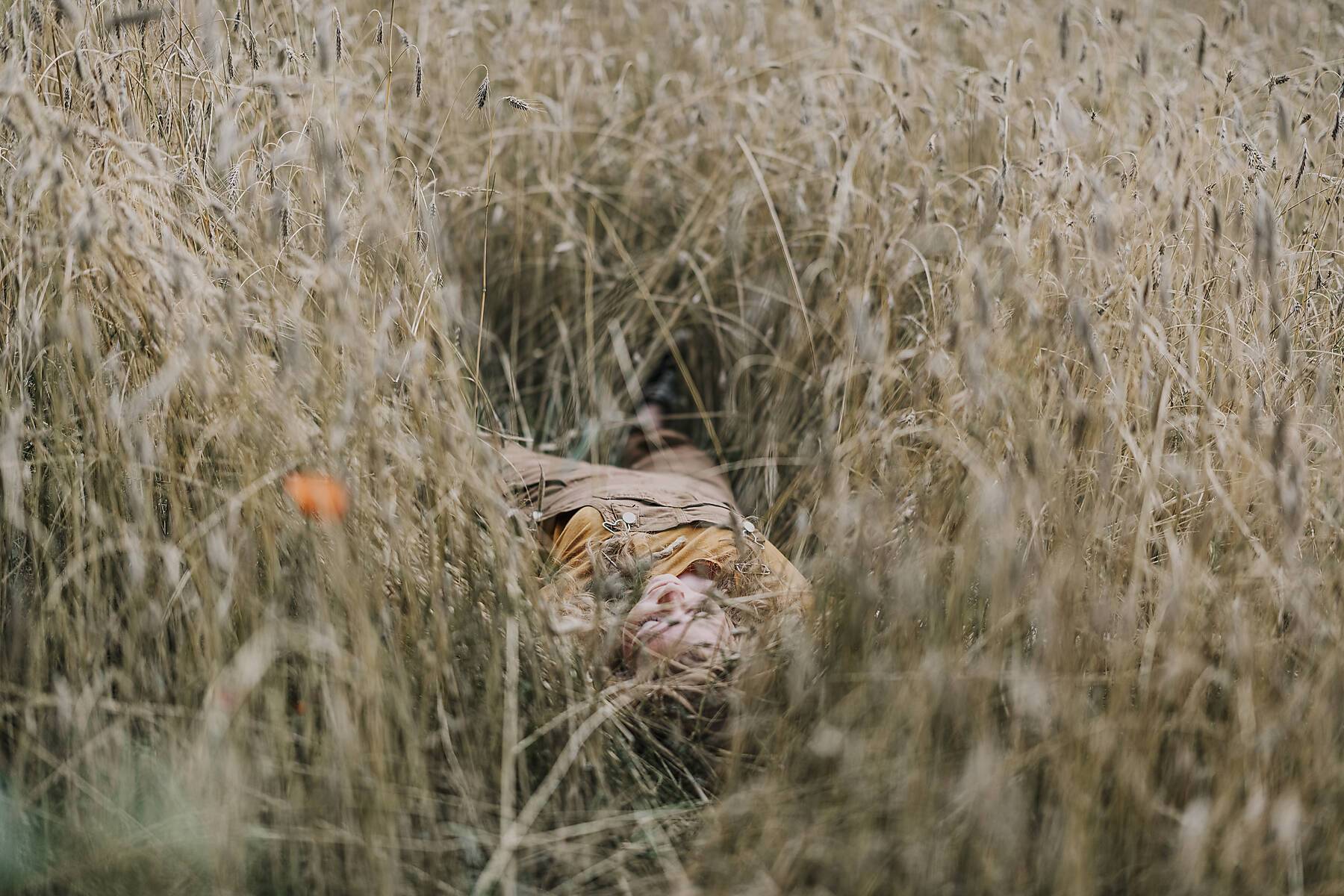
Images from the vegetable garden
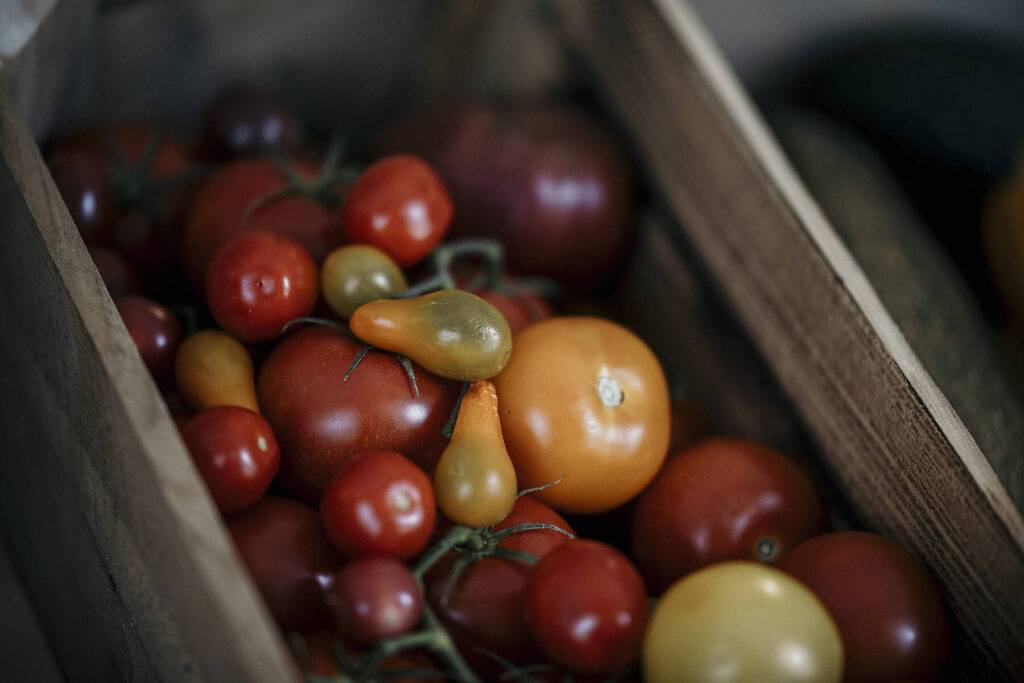
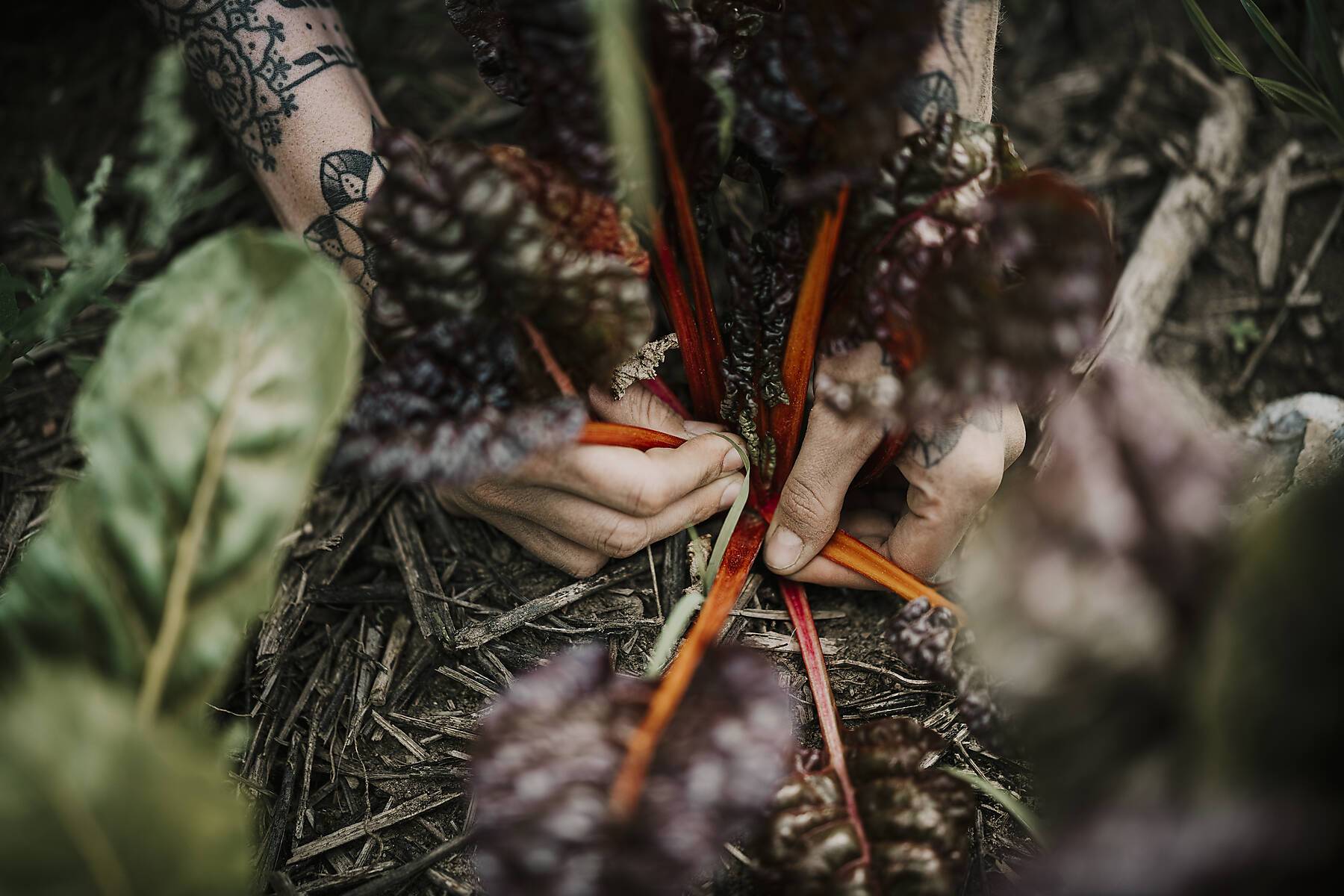
To illustrate this article, I have deliberately chosen a vegetable garden production from Malte Jäger. A self-sufficient life gives me a lot: not only pleasure for the palate, but also inspiration for the soul, something meditative. It may sound banal, but I’ve now found my way back to the essential things in life; I know again when what grows and how I have to care for it. It is, quite simply, a life not only on, but also with the land.