Specific instead of complex: visual language with a clear focus on the essentials
The flood of images and information that we are exposed to on a daily basis sometimes threatens to overwhelm us. This is when we need to regain clarity. A minimalist visual language can also contribute to this by quickly focusing on the essentials with a reduction to simple forms. This trend in visual communication corresponds to similar trends in architecture and interior design, but also to the trend towards a simple, straightforward lifestyle.
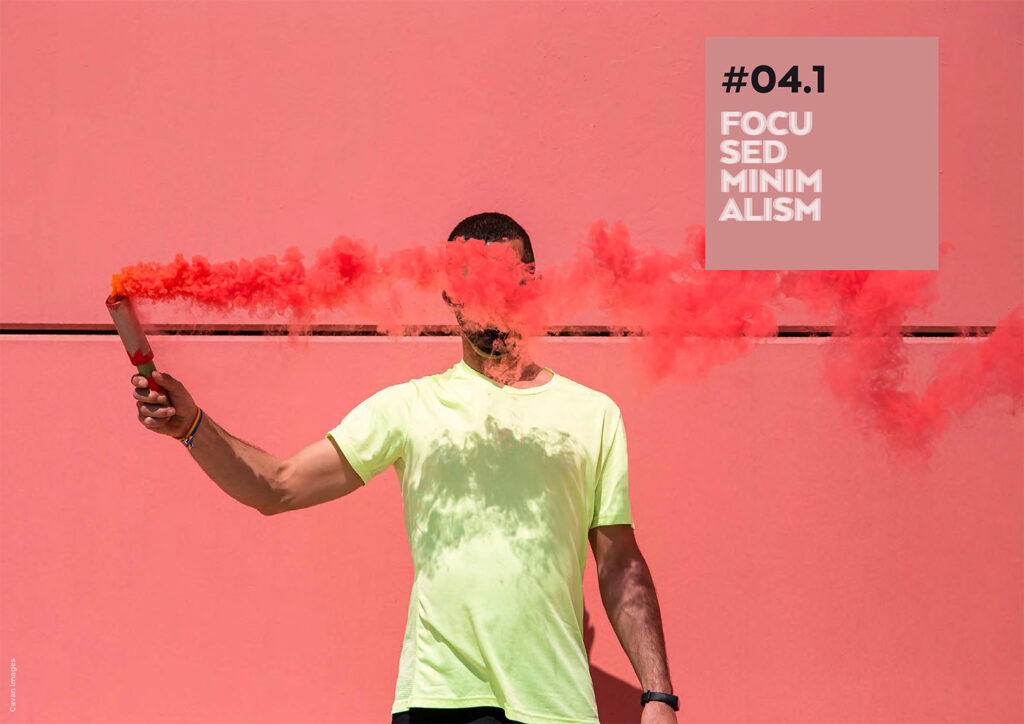
© Westend61 / Cavan Images
The increasingly unmanageable range of goods, consumer products, lifestyles and forms of leisure activities in an individualized society is perceived by many people as a burden rather than an enrichment. The voluntary renunciation attitude of “less is more” is the counter-trend to this oversaturation and sensory overload. The result is a critical, distanced consumer attitude that makes people unreceptive to untrustworthy and overly complex advertising messages.
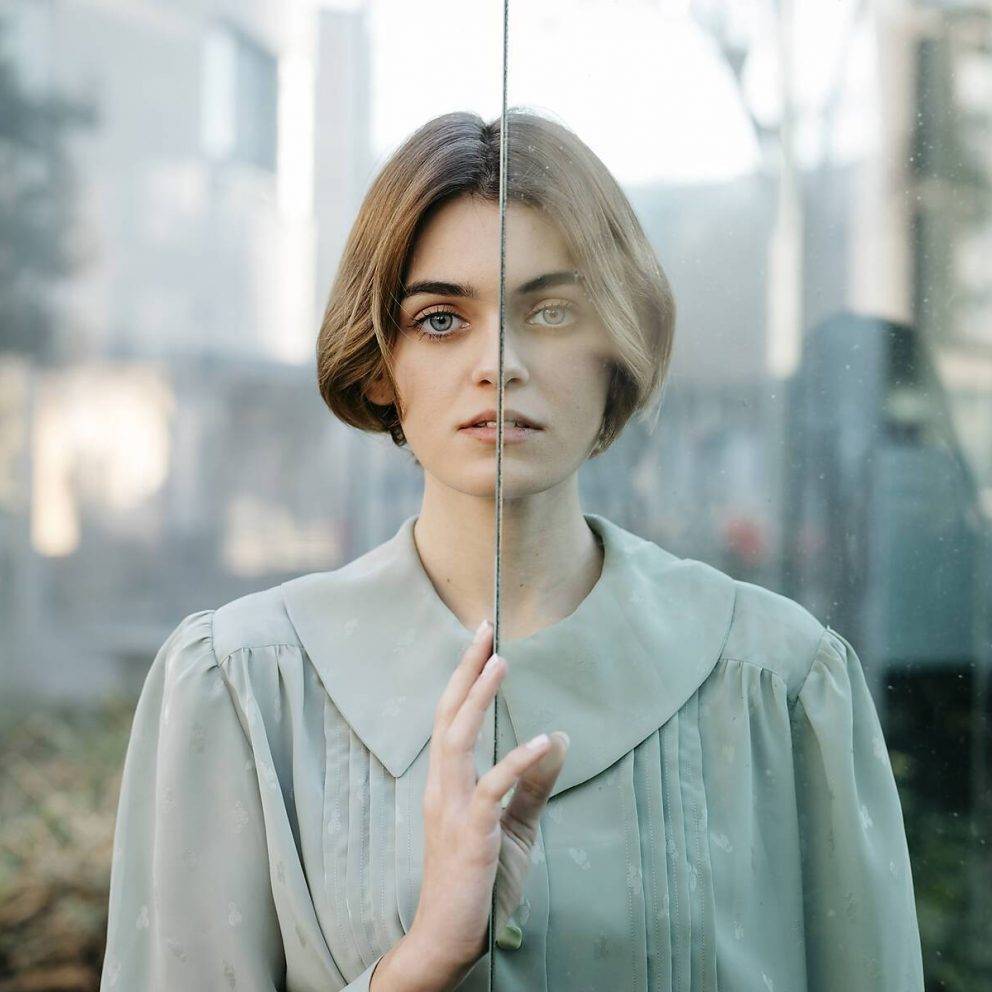
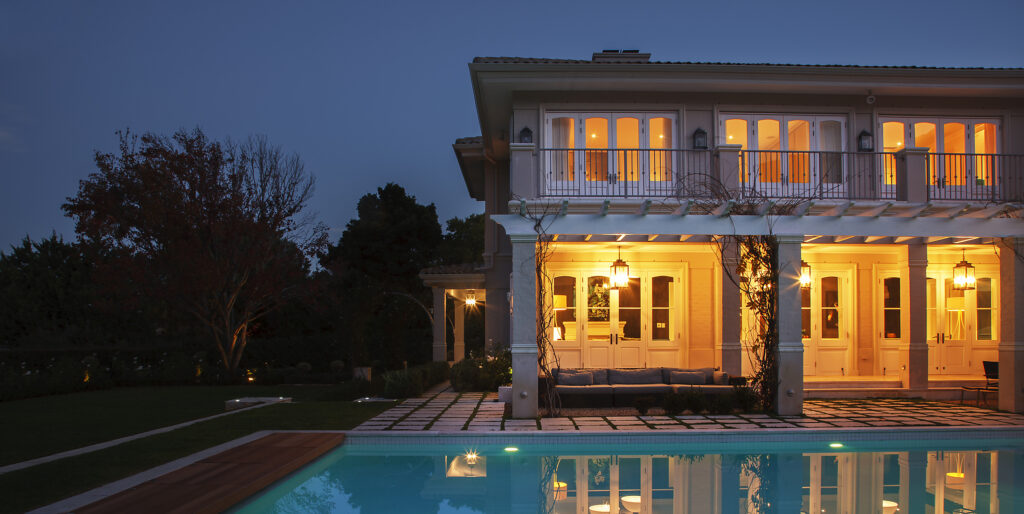
A modern visual language must respond to this. Simple forms, limited color palettes and clear lines create structure and order. A lot of free space in the image design has a relaxing effect on the eye. This form of image conception offers the possibility of presenting even complex themes in a concentrated and aesthetic way. Symbols or deliberately emphasized details are effective design elements of such a style.
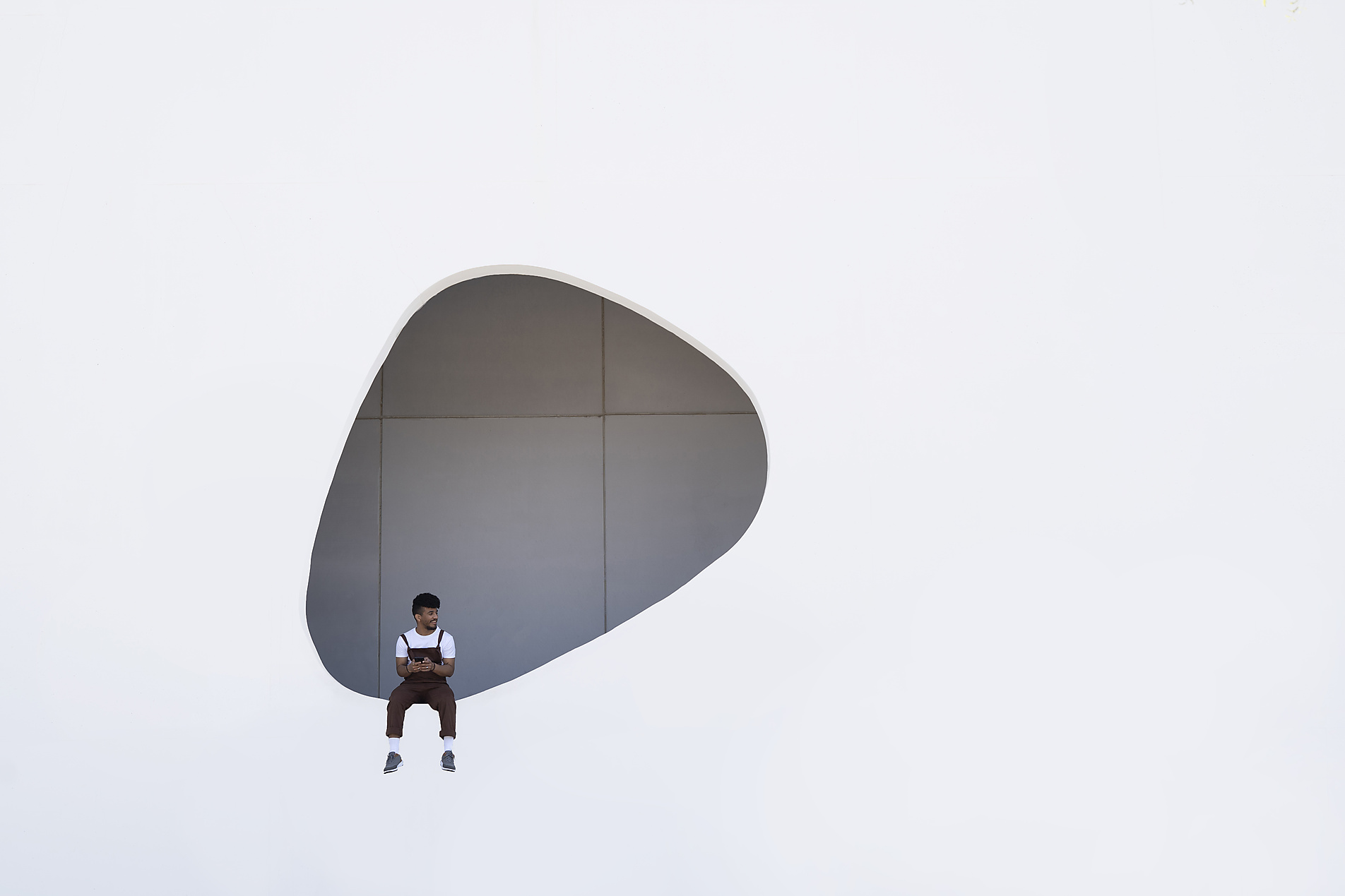
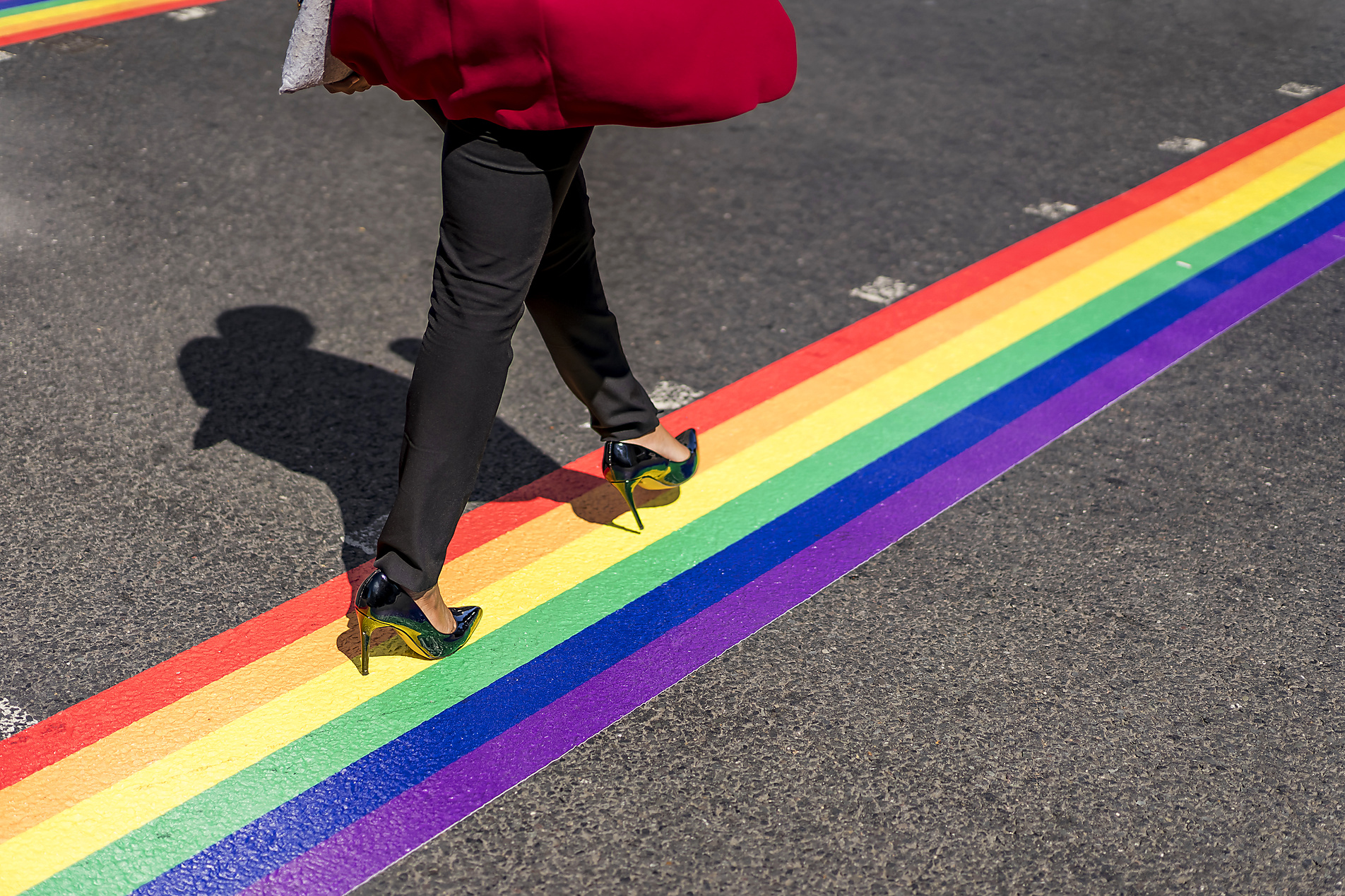

© Left: Westend61 / VISTA Collection / COROIMAGE , Center: © Westend61 / Mauro Grigollo , Right: © Westend61 / Petra Stockhausen
The aim is to convey image content in a simple, easy-to-understand way. Because even with a “purified” image design, you can stand out positively from the mass of average images. Then you send your message in a pleasantly unagitated and therefore particularly effective way – because you give the viewer’s eye a little break. Because simple can also be beautiful.